33 Rules of Writing from Some of the Most Brilliant Women in Children’s & YA Literature

Yesterday, I spoke to class of teachers and soon-to-be-teachers at our local SUNY college. Their professor had asked me to talk about how authors plan and draft and revise, and how those practices might apply to student writers, too. I spent a wonderful hour doing that but also promised the teachers that if they brought in a dozen other authors, they’d hear about a dozen different processes. A process or strategy that works for one of us might or might not be effective for another — and that doesn’t vary only from author to author but from book to book. So perhaps the best advice for writers of any age is to understand that – and to honor lots of different processes, in the classroom, the coffee shop, and the office.

I love posts like this one from Brain Pickings, sharing Neil Gaiman’s 8 Rules of Writing. But I couldn’t help thinking, in reading this, that it would be even more interesting to see a list of rules that didn’t all come from one guy. So I reached out to some friends, and we’ve come up with…

33 Rules of Writing from Some of the Most Brilliant Women in Children’s & YA Literature

Do the work. Don’t waste your precious energy on doubt, except where it shows you more opportunities for growth. Pretend you’re working on the last thing you’ll ever write. Give it that much ferocity and that much love. That’s the book the world needs from you.

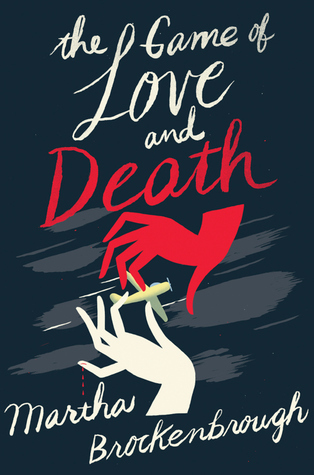
~Martha Brockenbrough, author of The Game of Love and Death
My newest novel is teaching me this one: Keep showing up, and you start to run out of mistakes to make.

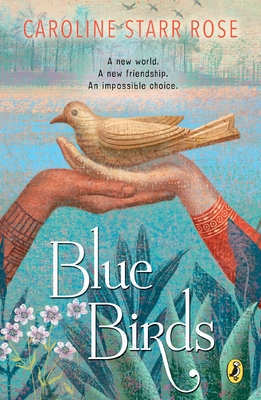
~Caroline Starr Rose, author of Bluebirds
Often, the story comes during the act of writing, not thinking. So even if you have no idea where you’re headed, start writing.

~Barbara O’Connor, author of The Fantastic Secret of Owen Jester

Write the book that you (or that you as a child) would want to read.

~Christina Diaz Gonzalez, author of Moving Target

Regarding process, whatever works is what works best for you.

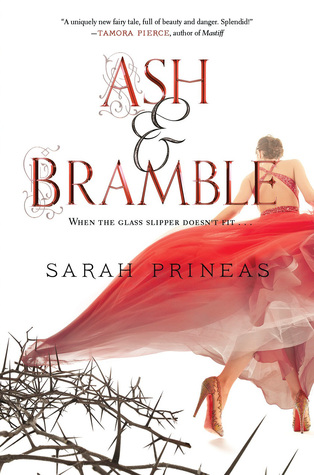
~Sarah Prineas, author of Ash and Bramble
Keep your story materials in one place. I keep a dedicated notebook for each novel in which I brainstorm ideas, jot critique partners’ notes, work through issues, etc. I stuff hard copy research materials in a pocket in back.
For you, a folder or 3-ring binder or envelope might work better–but figure out something to keep your work together. It saves time and serves as a map if you get stuck or lost in your story–you page through and, chances are, there’s an idea in those pages to help you along.

~Erin Dionne, author of Ollie and the Science of Treasure Hunting


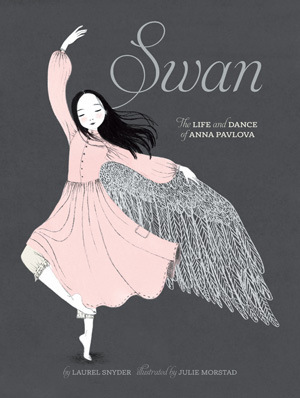
Fast-drafting is fine, but don’t be afraid to go slow. When I begin something new, it helps me to focus on each word, as if I’m writing a poem. To sit with each line, and think about tone and voice. Those first paragraphs matter so much.
A very wonderful poet once told me that he sits down at his desk and gives himself an hour to come up with a line. If he gets that line, he gives himself an hour to come up with the second line, and so on…   I like to remember this, when other people talk about word counts per day. In the end, I’d rather find the ten right words than the 2,000 quick words.
The main thing, I think, is to remember we all write differently. Slow or fast. Clean or sloppy. One book at a time, or with 4 manuscripts open simultaneously. When people tell you to NEVER do something, or to ALWAYS do something, they’re generally wrong. Write in the way that feels best to you.

~Laurel Snyder, author of Swan: The Life and Dance of Anna Pavlova
There is no one writing process, and if anyone tells you there is, they’re selling you snake oil. What works for me, might not work for you. And what works for me on one book might not be the right process for the next book. As brilliant female author Laurie Halse Anderson said at Kindling Words (and this helped me SO MUCH) each book requires different tools from the writer’s toolbox. For me, writing the first draft quickly helps because it helps me trick what I call “The Inner Crazy Lady.” If I can get the first draft mostly written before she wakes up and tells me everything I’ve written is complete garbage and all of my (insert previous number of published books) were flukes, I can be much more productive. I also find that when I write the first draft quickly, my subconscious leaves me nuggets that I can tease out later to make the novel richer and more nuanced.

~Sarah Darer Littman, author of Backlash

Become familiar with the subtleties of your own particular brand of crazy. I have a hard time discerning whether I’m avoiding writing or giving my subconscious some time to pick apart a tangled plot point. I think it’s important to trust your instincts when they insist you need time away from a particular project but always examine the true root cause. Avoidance wears many deceiving disguises.

~Audrey Vernick, author of Screaming at the Ump

Keep reading until you find a book that blows open the doors of what’s possible.

~Melanie Crowder, author of Audacity

I tell my students that what elevates a book to that Next Level is tiny details and huge risks. Fill your work with tiny details, all kinds of unique specificities, little moments that add texture to the greater plot of the book, and then take huge risks as you’re writing. Take unexpected turns and push to go beyond what feels comfortable. I love that writing requires both that careful attention to detail and that ferocious risk-taking.

~Corey Ann Haydu, author of Rules for Stealing Stars

Write to your passion. The world is full of zippy plots and larger-than-life characters; these are important, of course. But what’s going to elevate YOUR book is finding that story that only you can tell, and setting it down in the way that only you could tell it. Write what thrills you. Write what terrifies you. Write the big questions lurking at the edges of your mind. This is how your book will stand out from the rest.

~Ammi-Joan Paquette, author of Princess Juniper of the Hourglass

Don’t read your reviews.Even the good ones will probably not be good enough to fill up that gaping hole you were hoping to fill. And the bad ones will gut you like a fish, stealing all your joy. You need the joy in order to believe in the next idea when it settles itself around your shoulders.

~Ellen Wittlinger, author of Parrotfish

Don’t be afraid to take risks. Experiment with form. Write beyond what you feel your abilities are. You are allowed to write whatever you can dream up.  When your inner voice starts asking, “But what if it won’t sell? What if I am wasting my time on this?” gently tell it to hush. Tell that voice what you are learning from the writing and how it energizes you. Remind that voice that you are allowed to define your own idea of success. And then write with wild abandon.

~Heidi Schulz, author of Hook’s Revenge: The Pirate Code


Beauty comes from honesty, no matter how ugly the truth is. Let your writing shine light on that dark place–that’s where hope starts to grow.

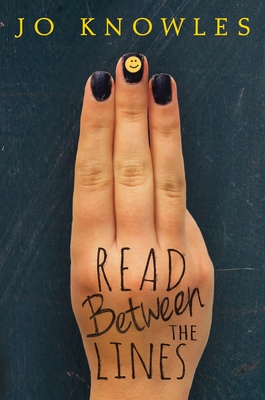
~Jo Knowles, author of Read Between the Lines

Backside in chair. Lots of people talk about writing, but to be a writer, you have to write. You have to close your mouth and sit down and do it – with a monklike self-discipline. And that’s where you find the joy.

~Kate Hannigan, author of The Detective’s Assistant

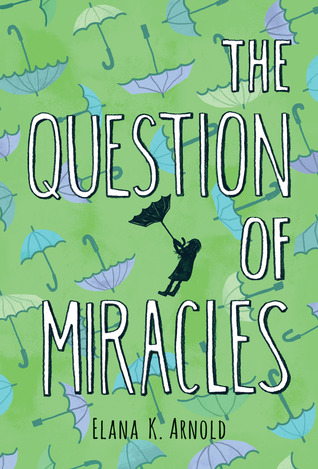
It’s okay if you return to the same thematic material over and over again. In fact, it means that you have found something that matters deeply to you.

~Elana K. Arnold, author of The Question of Miracles
Try not to be scared. But if you are scared, use it as fuel to push through whatever is in the way.

~Tracy Winfield Holczer, author of The Secret Hum of a Daisy

Go for a walk, preferably in the woods. Going for long walks away from the keyboard allows your ideas to work themselves out without the pressure of writing them down in the moment.

~Karen Rivers, author of The Girl in the Well is Me

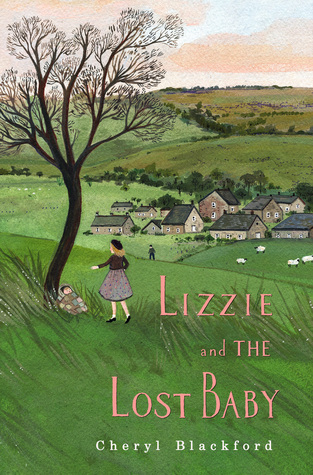
Read your work aloud. Listen to the rhythm and musicality of your words. You’ll hear repetition and problem sentences. I do this for individual scenes and whole novels, walking and reading. Don’t do it in public though – people will think you’re nuts.

~Cheryl Blackford, author of Lizzie and the Lost Baby
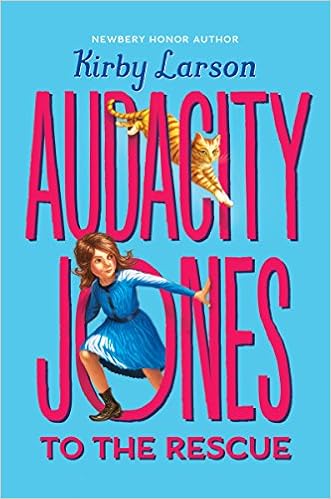
The moment you are frustrated and ready to quit on a manuscript: Don’t! It means you are on the verge of a breakthrough.

~Kirby Larson, author of Audacity Jones to the Rescue
Remember the books you loved to pieces as a kid? Remember all those authors you never wrote to? Out there in this world is a kid who will love the book you are writing just as much as you loved those books. You will never hear from that kid. The love, however, will be real. That’s the person you are writing this book for. On his or her behalf, thank you, thank you, so much!

~Anne Nesbet, author of The Wrinkled Crown
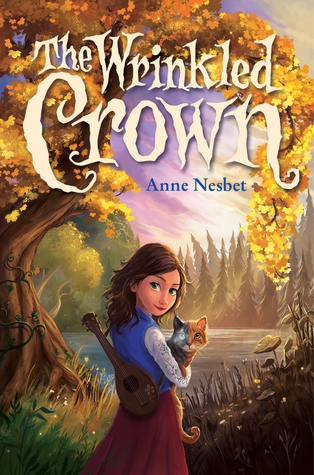
Find peers who will cheer for you and challenge you. (They don’t have to be the same people and they don’t have to do both at once.) The right friends will help you get through the rough times, push you to become a better writer, and enrich your life in general.

~Jenn Reese, author of Above World

Write the first word that pops into your head– even if that word is “the.” The rest will always follow.

~Danette Vigilante, author of The Trouble with Half a Moon

Writing is fun until it isn’t and then it is hard work, plain and simple. But trust that if you show up and put in the work, day after day, the universe will respond. Magical moments will happen, often when you least expect them, giving you goosebumps because the words are so right and true, and exactly what the story needs. A lot of grit + a teensy bit of magic = how the book gets written.

~Lisa Schroeder, author of My Secret Guide to Paris
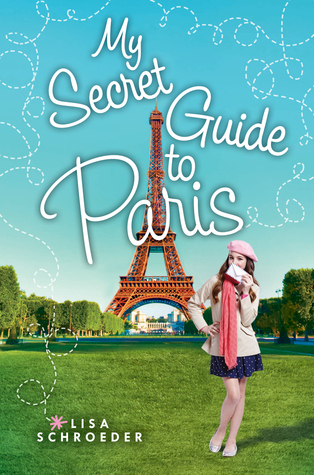
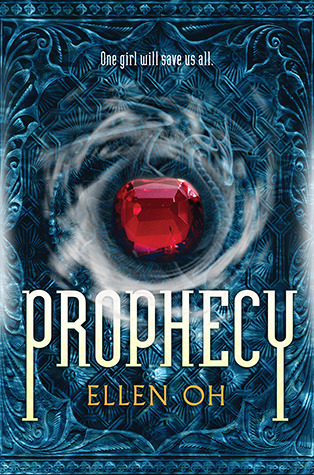
All the advice in the world ain’t gonna help you write the #$%@ book. So quit looking for reasons to procrastinate and just write the #$%@  book. Remember the difference between a published writer and an unpublished writer is that they persevered.

~Ellen Oh, author of Prophecy
The first draft is going to be awful. Briefly acknowledge that, then move on.

~Lisa Yee, author of The Kidney Hypothetical

Behind every “breakout hit” is a whole lot of hidden study – study of craft, of the classics, of what’s being written right now – and an even greater dose of perseverance and discarded material.

~Janet Fox, author of The Charmed Children of Rookskill Castle

Don’t be afraid to go big. Allow crazy things to happen in the plot, make room for wild emotions and passions, be brave and risk your characters’ hearts. You can always dial it back a little later if you have to, but you don’t want to regret not having gone far enough.

~Liz Garton Scanlon, author of The Great Good Summer

1. You *are* a writer. Not “trying to be”, or “aspiring” — you are.

2. Know that *your* story is precious and powerful.

3. Nothing you write is a waste, even if you don’t explicitly “use” it.

4. Value every scrap, phrase, or bit of an idea by writing it down as soon as you can, preferably the old-fashioned way, on paper. Then don’t worry about it. When you need it, it will be there.

Olugbemisola Amusashonubi-Perkovich, author of 8th Grade SuperZero

Don’t give up! If your first book doesn’t get published, write another book. If your second book doesn’t get published, write a third book. It took me 8 years to get a book published. Most of the people in my first critique group never got published. Most aren’t even writing anymore. And they were all better writers than I was at that time. The reason I got published and they didn’t is because I didn’t give up.

~Dori Hillestad Butler, author of The Haunted Library

Find your way of writing. I had a ton of instructors who said you should overwrite because you can always cut. But I don’t work that way. I start slight and add layers. It took me years to shake the idea that I was doing it wrong.

~Megan Frazer Blakemore, author of The Friendship Riddle

Don’t be afraid to fail. Fail often and joyfully and make lots of things. If you do, you’ll get better at it. And some of them may work out. (I have a whole post about this advice as it relates to picture books here.)

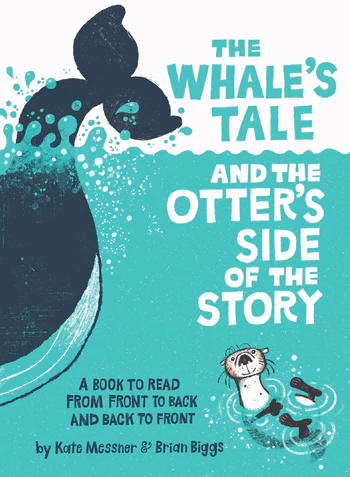
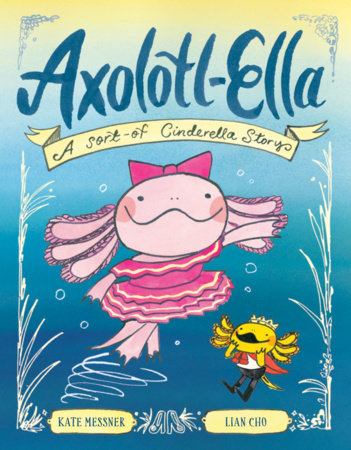
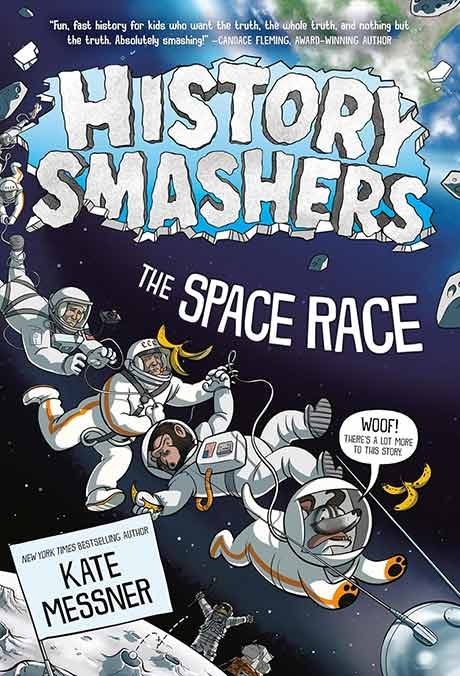
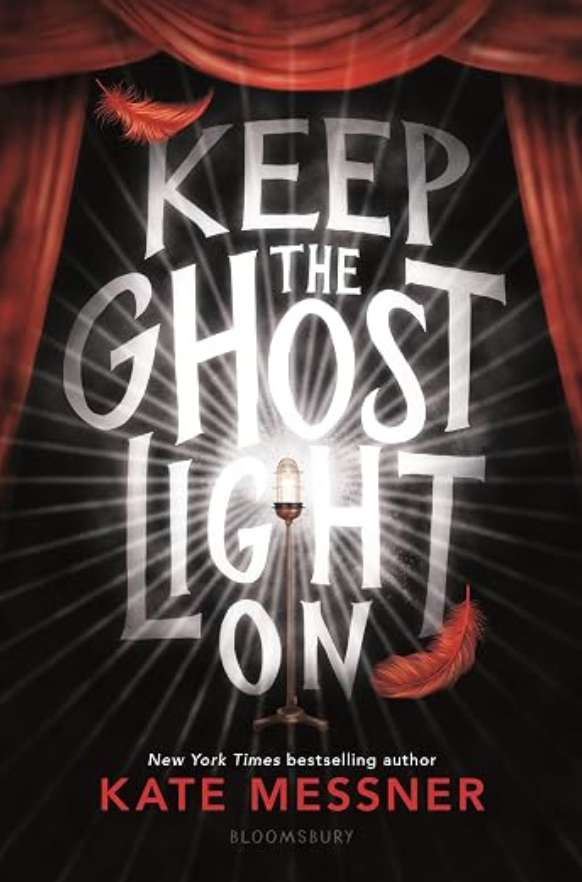
~Kate Messner, author of the Ranger in Time series
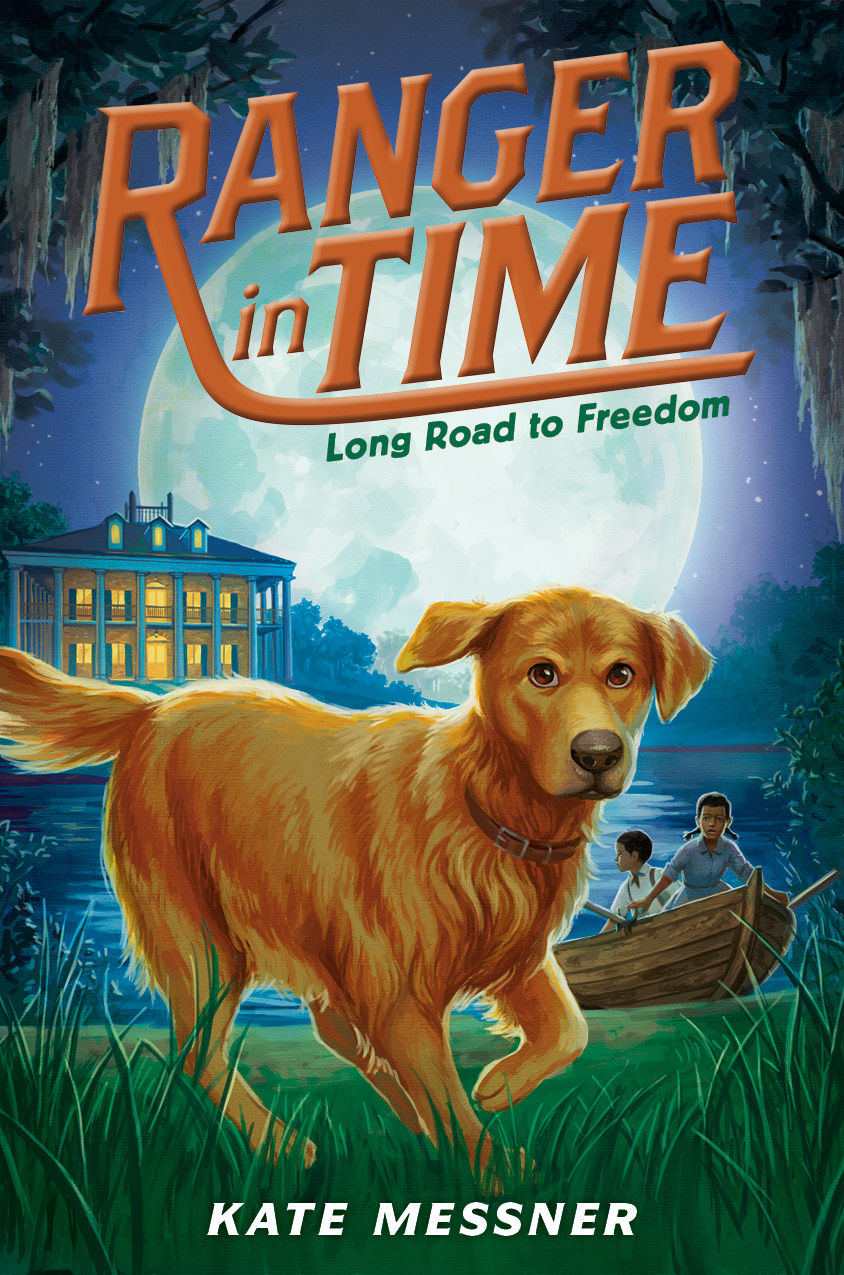
Ranger #3 Final Cover

So there you go. 33 rules to follow. Or not. But hopefully, some of them will resonate for you.

Go on now.

Write.

My NCTE 2015 Schedule: Research, Writing, Revision, Magic, and Book Signings

As a former middle school English teacher (and always a teacher at heart!) I’ll admit that I’m partial to the annual NCTE Convention and look forward to this one the most. I have a super-full schedule at this year’s NCTE Convention and hope that I’ll see many of my teacher, librarian, author, and reader friends. Here’s where I’ll be speaking…

The Power of Passion Driven Research with Deb Perryman, Laurel Snyder, Jennifer Vincent, & LeUyen Pham

FRIDAY 9:30 AM – 10:45 AM in Minneapolis Convention Center, L100E

From baseball to ballet, Minecraft to marshmallows, favorite topics paired with authentic research opportunities unlock a love of learning in students. Two educators, three authors, and an illustrator share experiences with passion-driven research in and out of the classroom that promotes creativity, motivation, and engagement.

Read, Write, Think, Research, Rewrite…Writing is Not Linear with Susannah Richards, Katherine Applegate, & Heidi Stemple

FRIDAY  12:30 PM – 1:45 PM in Minneapolis Convention Center, Auditorium 3

While we often teach students that writing is a linear process, most writers will say that it is not. In this session authors Katherine Applegate & Heidi Stemple, a former teacher/author Kate Messner and a teacher educator will share strategies to teach writing that reflect the process of published authors.

Close Writing: Reading, Reflecting, and Revising Through a Writer’s Lens with Paula Bourque, Andrea Bryant, Sarah Albee, Linda Urban, Lester Laminack, & Selene Castrovilla

FRIDAY 4:00 PM – 5:15 PM in Minneapolis Convention Center, M100J

We teach students to closely read other authors’ writing, but what about their own?
Close Writing strategies help writers build a stronger relationship with their writing through reading, reflecting, and revising. In this session, teachers and authors will share some of these strategies from the classroom and beyond.

Global Read Aloud: Making Connections Around the World, Within Communities, Classrooms, and Ourselves with Pernille Ripp, Sharon Draper, Katherine Applegate, Jenni Holm, Lynda Mullaly Hunt, & Michelle Kedzierski

SATURDAY 8:00 AM – 9:15 AM in Minneapolis Convention Center, 101D

Imagine 300,000 students, immersed in a book, discussing with students and authors, using technology to spark a global conversation; this is the Global Read-Aloud. Join our panel featuring the founder as well as alumni authors. Be inspired to connect and be inspired to create your own global project!

Exploring Tough Issues Through Magic and Fantasy in MG and YA Literature with Linda Urban, Anne Ursu, Laura Ruby, Tracey Baptiste, Christina Diaz Gonzalez, Nikki Loftin, and Colby Sharp. 

SATURDAY 2:45 PM – 4:00 PM in Minneapolis Convention Center, 101E

One of “the arts of language” is its gentle ability to help us understand the world and ourselves. Sometimes, the most fantastical stories push us to confront the hardest truths. In this session, six authors and a teacher-blogger explore using fantasy and magical realism to explore tough themes with readers.


I’ll also be signing books at my publishers’ booths. Here’s where I’ll be, when I’ll be there, and which titles I’ll be signing at each booth…

FRIDAY – 2:00-3:00 – Scholastic – Ranger in Time series

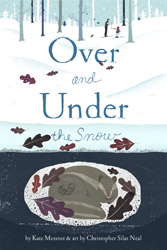
SATURDAY – 9:30-10:30 – Chronicle Books – OVER AND UNDER THE SNOW, UP IN THE GARDEN & DOWN IN THE DIRT, HOW TO READ A STORY, and TREE OF WONDER: THE MANY MARVELOUS LIVES OF A RAINFOREST TREE

SATURDAY – 4:00-5:00 – Bloomsbury – ALL THE ANSWERS, THE SEVENTH WISH (ARC)


Hope to see many of you in Minneapolis!


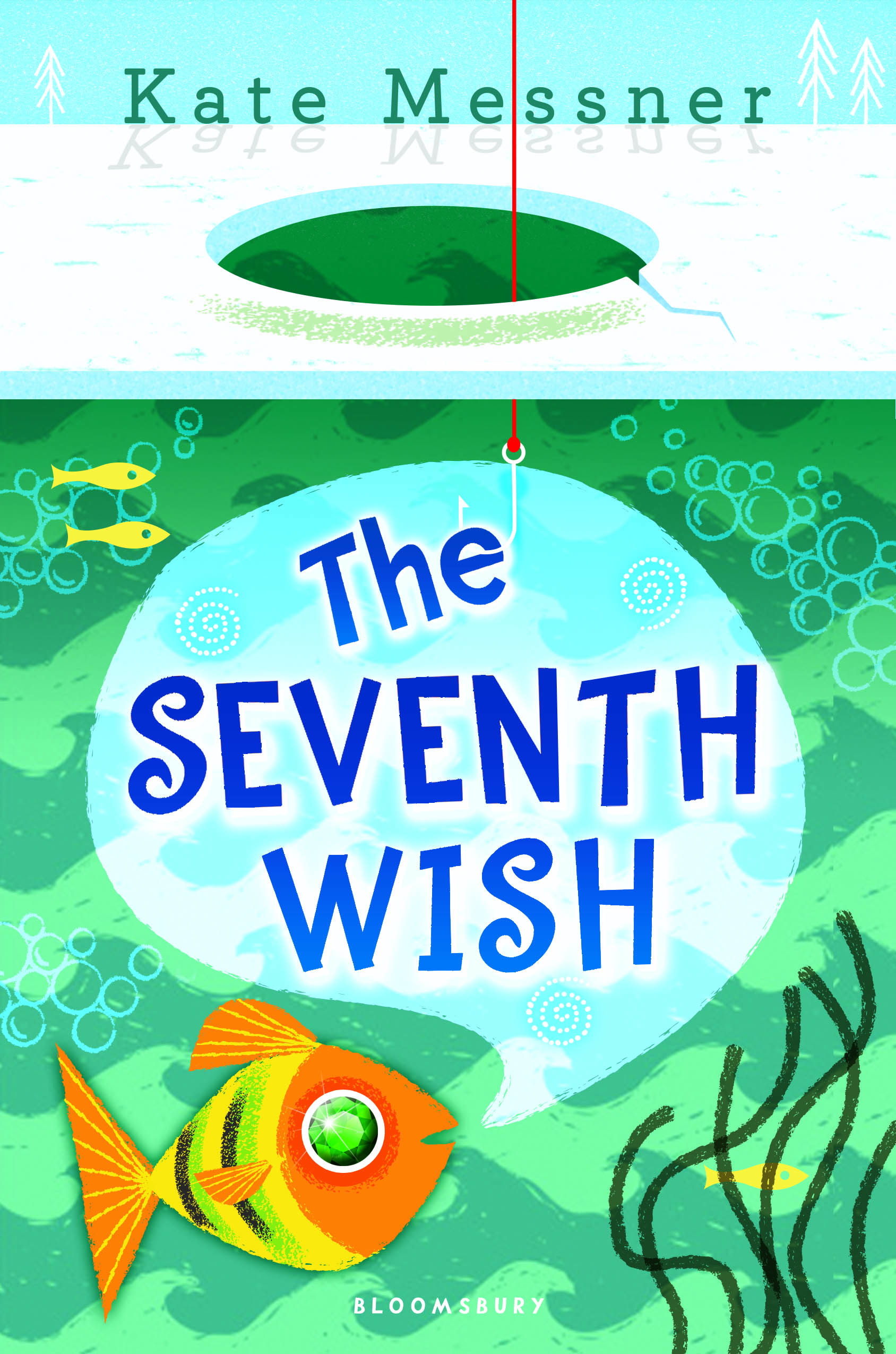
THE SEVENTH WISH – Kid-Blurbs Project!

For my upcoming novel THE SEVENTH WISH, Bloomsbury and I decided to try something a little different to help spread the word. You know those “blurbs” you see on the covers of books, usually from famous authors? We thought it would also be cool to get some blurbs from great kid-readers for this book, so Bloomsbury sent a few dozen copies out into the world to be shared with young readers before the book’s release date. Advance copies of THE SEVENTH WISH will also be available at AASL in Ohio (find me and whisper the code word “rutabaga” if you’d like one from my secret stash) and at NCTE in Minneapolis in November (come by the Bloomsbury publishing booth on the exhibit hall floor during my signing late Saturday afternoon).

sketchy ocean waves background

THE SEVENTH WISH is a book that uses magic to explore something many families are afraid to talk about with kids – addiction. I was floored a few years ago when a neighborhood friend told me that her beautiful, smart, joyful daughter was hooked on heroin. She got help and survived, and she is thriving now, but I still struggle to understand how it happened. And when I struggle, when something really scares me, I write. Here’s what THE SEVENTH WISH is about:
When Charlie Brennan goes ice fishing on her town’s cold winter lake, she’s hoping the perch she reels in will help pay for a fancy Irish dancing solo dress. But when Charlie’s first catch of the day offers her a wish in exchange for its freedom, her world turns upside down.

Charlie catches the fish again and again, but each time, her wishes go hilariously wrong. Just when things are finally starting to turn around, a family crisis with her older sister forces Charlie to accept the fact that some of the toughest challenges in life can’t be fixed by wishing.

Here’s how the Kid-Blurbs project works…

  1. Read the book. Or, if you have impatient readers, skip to #2 and read it later.
  2. Share the book with at least three student readers.
  3. Ask students who enjoyed the book to write a short “blurb” like the ones you see on book covers sometimes – a recommendation saying specifically what they loved about the book. These aren’t full reviews – just one or two-sentence recommendations about why they loved the book. On the back of this page, you’ll find a reproducible handout on writing blurbs, with mentor texts of blurbs written by authors, for other authors’ books.
  4. Take a photo of your Kid-Blurber with the book open in front of his or her face (to protect student privacy)
  5. Share the student’s blurbs and photos on your Facebook and/or Twitter feed, along with his or her first name & grade. (i.e. “Great book!” ~Emily, 6th grade reader) I’ll share and RT these posts as well, but please post on your own FB wall, rather than putting it on mine, so that your school/library community can see your student writers’ work. In order for others to re-post a student’s blurb (we hope your kids’ work will be shared far & wide!), you’ll need to share it as a PUBLIC post. You can choose that privacy setting by clicking the little icon right under your name after you post – change it from the “friends” image to the one that looks like a globe, for public posts.
  6. Please tag me in these posts on Facebook and @ me on Twitter (I’m @KateMessner there) so that I don’t miss thanking any kids. I’ll also try to share as many of these posts as I can, to help amplify your students’ book-talking voices. You also can use the hashtag #7thWish. If your students also wish to write longer recommendations for a classroom blog, please send me links to these, too. I’d love to share some of them!
  7. You can start right away – it’s fine to post student blurbs any time between now and the end of the school year. If you find that you aren’t able to take part in the Kid-Blurbs project, please try to pass your ARC on to someone who’s interested in giving it a try.

Thanks for sharing THE SEVENTH WISH with your readers!  Here’s more about writing book blurbs…

Book Blurbs! How to Recommend a Great Read in a Line or Two

Sometimes, when you pick up a book at the store or library, you’ll see a blurb on its cover – a quote from a famous author recommending the title in your hands. These are quick, short endorsements of books people love and want to share with others. The more specific they are, the more powerful they can be. For example, “It’s a great book” or “This novel is interesting and exciting” are positive but don’t say much about who might like the book and why. When we get more precise with our praise, it’s a whole different story. Check out these real authors’ blurbs that do the job with specific word choice and pizzazz:

“Fiercely original and uncommonly lovely, The Witch’s Boy is equal parts enchanting and haunting. Kelly Barnhill is master of truly potent and unruly magic; luckily for readers, she chooses to use her powers for good.”

~Anne Ursu’s blurb for The Witch’s Boy

Eighth Grade SuperZero is one of the funnier and more thoughtful books I’ve read it a long time. Reggie and his crew had me cheering for them from page one till the end of the book. Fabulous.”

~Jacqueline Woodson’s blurb for Eighth Grade SuperZero

“Here’s a story that funny and ferocious, and adventure with a heart of gold buried deep in its chest, told by one of the great unreliable narrators – unreliable in the sense that you wouldn’t want to ask him to watch your bike.”

~Adam Rex’s blurb for The Pirate Code

“When Ivy Green can’t take any more missing, when even God seems to have taken off for parts unknown (along with her Mama) redemption nevertheless appears–in the sky, the stars, a kind of cute science boy, and a whole cast of people who love her. Liz Garton Scanlon has written a great good miracle of a book. I can’t stop hugging it.”

~Kathi Appelt’s blurb for The Great Good Summer

“Reading this book is like discovering a treasure box full of rare and wonderful things. If you open it, you’ll find a brave and good-hearted girl hero, the mysterious streets of Paris, and a magical cabinet full of life itself. The writing is luminescent and absolutely compelling. It’s the best thing I’ve read in a long, long time.”

~Sarah Prineas’ blurb for Cabinet of Earths


Ready to try your hand at blurbing a book? Write a sentence (or two or three) about why you love the book and would recommend it to other readers!

The Seventh Wish

My next novel, coming out in June, is one that’s awfully close to my heart. The story opens with a morning of magical ice flowers like the ones I love to see on Lake Champlain and uses that magic to explore something that many families are afraid to talk about with kids – addiction.

I was floored a few years ago when a friend told me that her beautiful, smart, joyful daughter was hooked on heroin. She got help and survived and is thriving now, but I still struggle to understand how it happened. And when I struggle, when something really scares me, I write. The result is my new book for readers in grades 4-8, called THE SEVENTH WISH.
sketchy ocean waves background

When Charlie Brennan goes ice fishing on her town’s cold winter lake, she’s hoping the perch she reels in will help pay for a fancy Irish dancing solo dress. But when Charlie’s first catch of the day offers her a wish in exchange for its freedom, her world turns upside down. Charlie catches the fish again and again, but each time, her wishes go terribly and hilariously wrong. Just when things are finally starting to turn around, a family crisis with her older sister forces Charlie to accept the fact that some of the toughest challenges in life can’t be fixed by wishing.

Even though this book is funny in places – it’s one that I hope will make you laugh and cry – it may not be a favorite for people who think novels for kids should only be light and happy. But I’ve always believed that the darker places in our world are best explored by shining lights. And I think books are some of the best beacons.

I’m speaking at NCTE this November, on a panel called “Exploring Tough Issues Through Magic and Fantasy in MG and YA Literature,” along with some other great authors who believe that books can spark important, life-saving conversations with kids and families. I’m so hoping this book opens up a lot of those talks at the dinner table and in the classroom. If you’re at NCTE this fall, I hope you’ll come to our panel or stop by the Bloomsbury booth to ask for an ARC.

Ranger in Time – New books for the 2015-2016 school year!

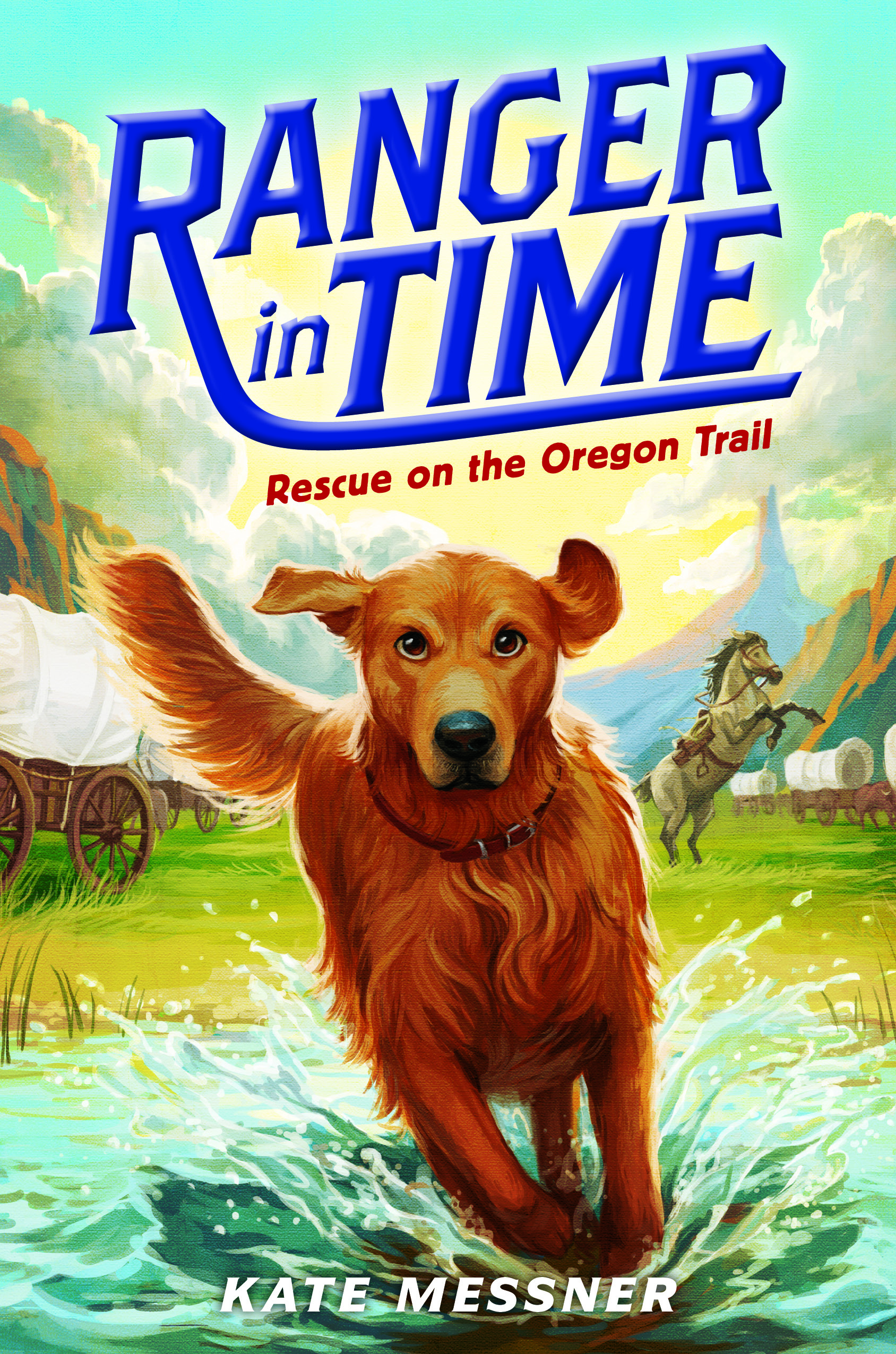
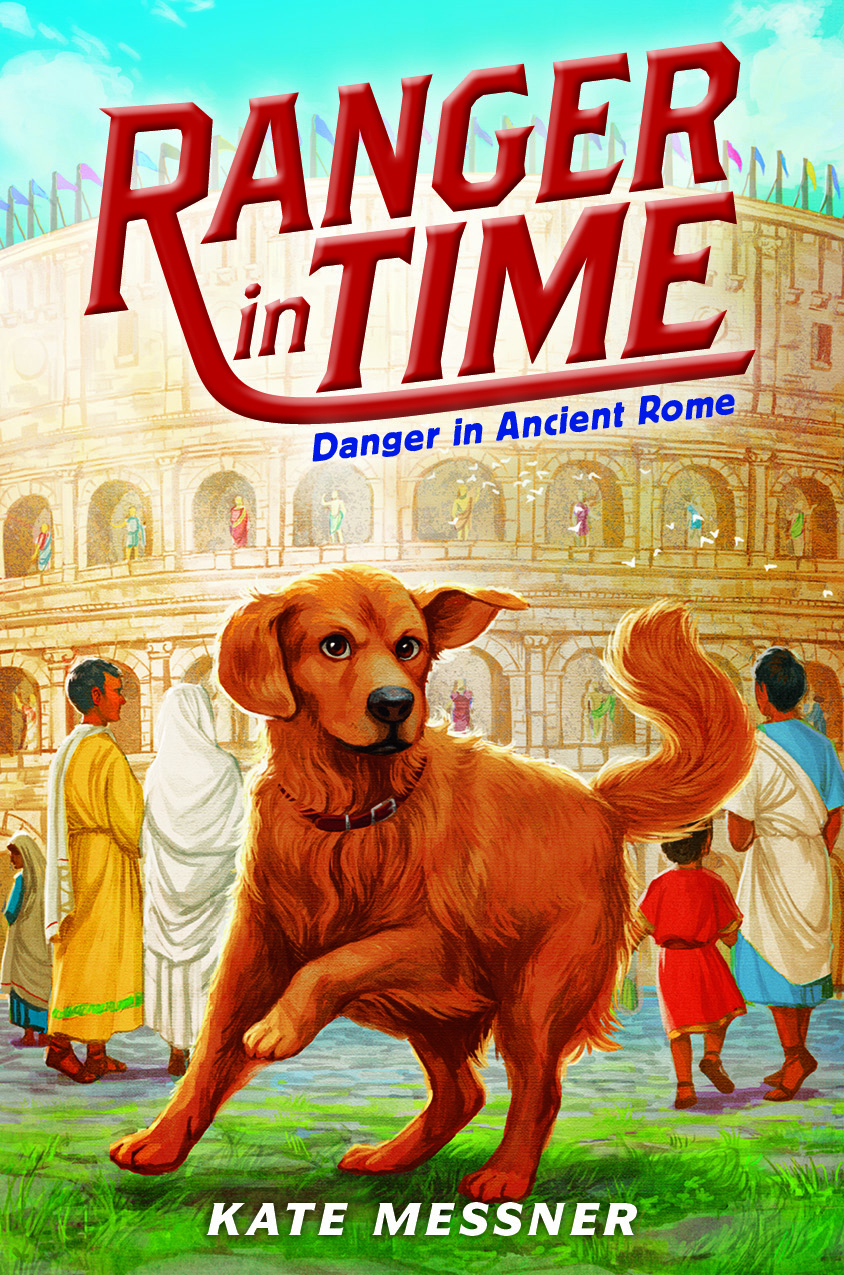
First of all, a huge thank you to everyone who’s read and shared the first two books in my Ranger in Time series with Scholastic, about a time-traveling golden retriever who’s trained in search and rescue techniques. RANGER IN TIME: RESCUE ON THE OREGON TRAIL and RANGER IN TIME: DANGER IN ANCIENT ROME have the series off to a wonderful, tail-wagging start, thanks to all of you.
 
RANGER #1 CoverRANGER #2 Final Cover
 
This school year will bring two more Ranger in Time books!
 
Ranger #3 Final Cover
 
RANGER IN TIME: LONG ROAD TO FREEDOM comes out December 29, 2015. This one is a fugitive slave story that begins on an 1850 Maryland tobacco plantation. Ranger travels north with Sarah, a girl who risks everything to escape with her younger brother when she learns of the plantation owner’s plans to sell him south. My local friends will be happy to know that parts of this story take place in Ferrisburgh, VT and Peru, NY.
 
Scholastic just gave me permission to share the cover for Book 4 as well.
 
Final RANGER #4 Cover
 
 
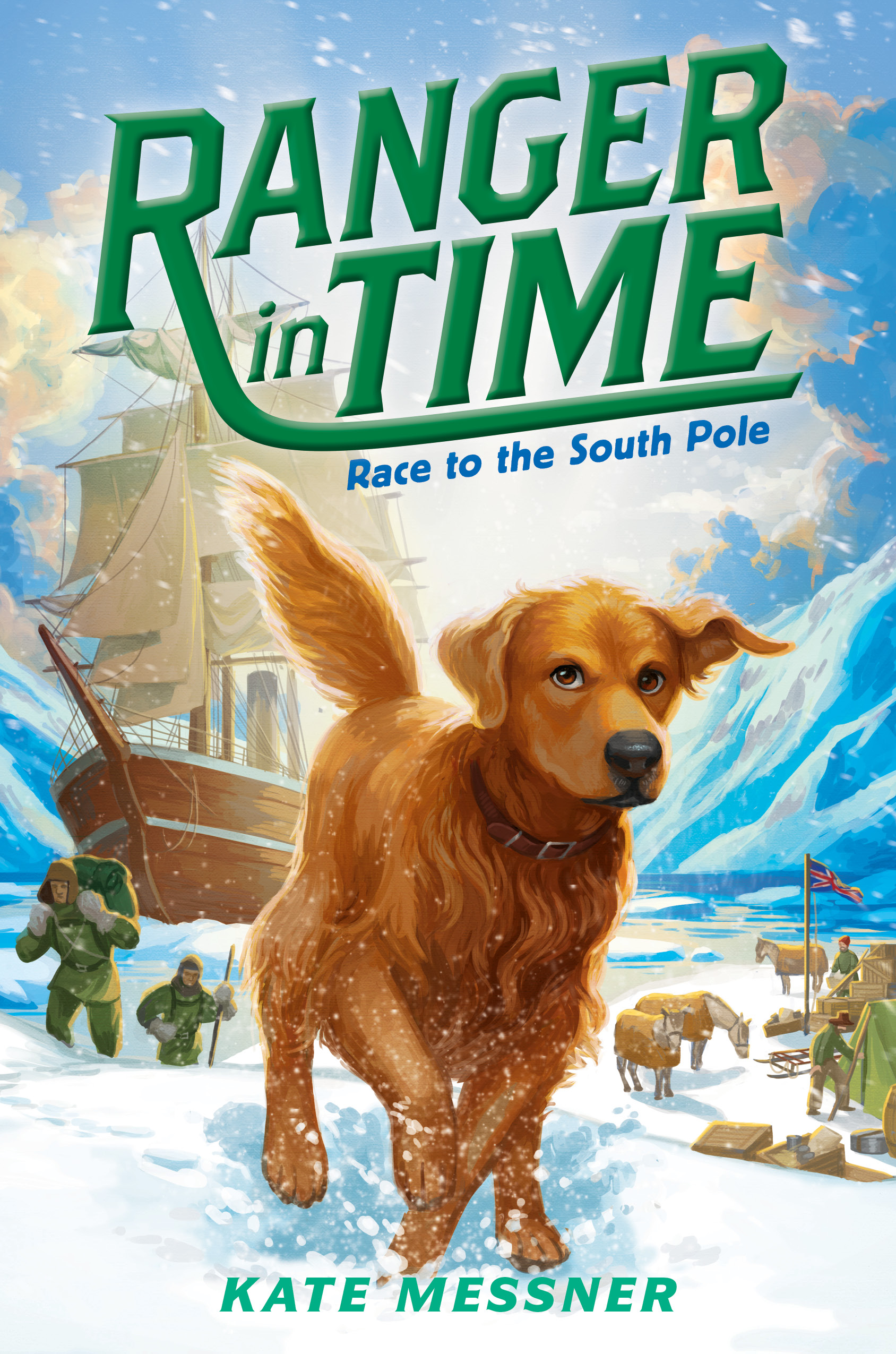
RANGER IN TIME: RACE TO THE SOUTH POLE is about a Maori-Chinese boy who stows away on Robert Falcon Scott’s Terra Nova in New Zealand, just before the ship leaves on a harrowing voyage to Antarctica in 1910. Ranger sees his first killer whales and penguins on this journey through time, which also features blizzards, crevasses, and a life-or-death decision. Look for Ranger’s Antarctica adventure in June 2016!

Meet your Teachers Write 2015 Guest Authors!

Teachers Write 2015 kicks off two weeks from Monday! (That’s July 6th, for those of you who are already on summer vacation and don’t know what day it is today.)

If you haven’t signed up yet, you can read all about Teachers Write 2015 here… or just go right to the sign-up form here.
Gae and Jo and Jen and I are all busy getting ready, and so are your other amazing guest authors for this summer! Here’s who you can expect to hear from in the weeks to come…

Phil Bildner

Melanie Crowder

Tracey Baptiste

Sarah Albee

Megan Frazer Blakemore

Linda Urban

Laurel Snyder

Liz Garton Scanlon

Elana K. Arnold
Christina Diaz-Gonzalez

Kim Baker

Kristen Kittscher

Anne Nesbet

Sarah Prineas

Steve Sheinkin

Heidi Schulz

Ammi-Joan Paquette

Elisabeth Dahl

Mike Jung

Olugbemisola Rhuday-Perkovich

Kekla Magoon 

Erin Dionne

 Please remember that Teachers Write is free and happens thanks to the grace and generosity of volunteers. We don’t charge anyone to participate, but we do ask that you purchase some books to read and share with your students – one book each from Kate, Jo, and Gae. Here are our latest titles:

 We also ask that you purchase at least one book from one of our guest authors above. Please check out their websites, get ready to learn from them, and share their work with your colleagues and students. We’ll be back July 6th to launch Teachers Write 2015 and start our summer of writing together!

Found: A February poem in photos

Found

by Kate Messner (Copyright 2015)


My head was too noisy for stories today

The clang and clatter of email-invoice-taxes

Scared them all away.

So I went to the woods to find them.

They were skittish at first,

But after a while,

Morning thoughts slipped away

In the whisper-swish of skis,

And the song of chickadees in sumacs.

I ducked low through some brush

And a branch snatched my hat as I passed,

Dangled it, teasing, over the trail

(The old hemlocks think they’re so funny)


The stories laughed at that.

And I saw one lift its head

From behind a slab of buckled lake ice,

Lit impossible, lovely blue.

Another peeked out from the snowy trees.

And soon they were everywhere.

“I’ve missed you,” I told them.

“Let’s go home,” they said.

So we did.


Thank you, Freeman-Kennedy School!

One of my last school visits of 2014 was at the wonderful Freeman-Kennedy School in Norfolk, MA. When I first arrived, I wasn’t sure about which door to use, but this sign was a great clue that I’d found my way…

These signs, it turned out, were all over the school. It’s tough not to feel welcome in a place like this!

After my morning presentations, Harper and Anthony interviewed me for their school’s morning show.  Here’s their video!

 And here’s a photo of me with super-librarian Sharon Lavallee, who coordinated the visit.


Thanks so much, Freeman-Kennedy School, for a great day of talking reading & writing!

Bullet Journaling (Children’s author version!)

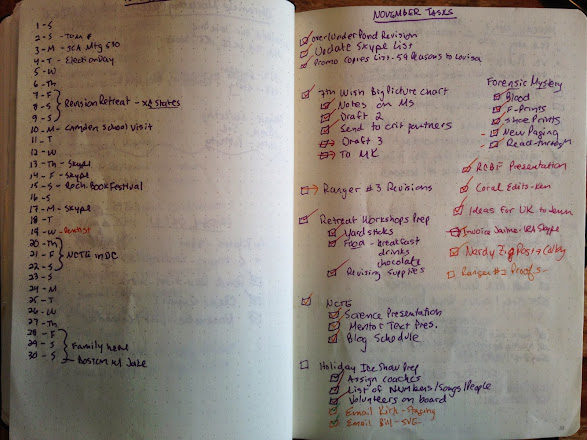
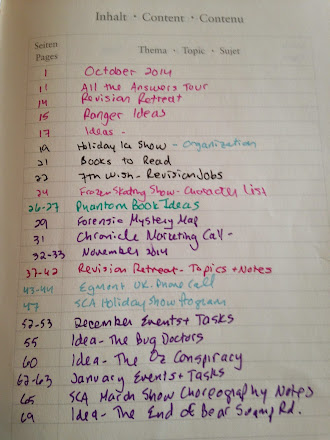
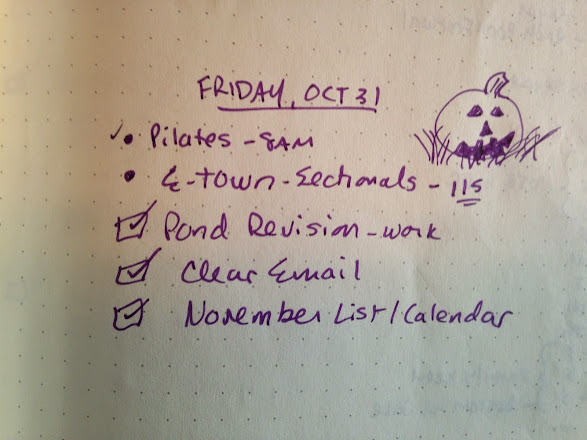
I’ve seen a lot of social media talk lately about the concept of bullet journals, an organizational tool I’ve been using since October.  It’s basically a monthly calendar, notebook, and daily to-do list all in one. If this is a new idea for you, you might want to watch the official bullet journal video here. Thanks to Gwenda Bond for linking to it this fall & getting me started.  Recently, some writer friends have asked me how I use my bullet journal, so here’s a glimpse inside the pages…

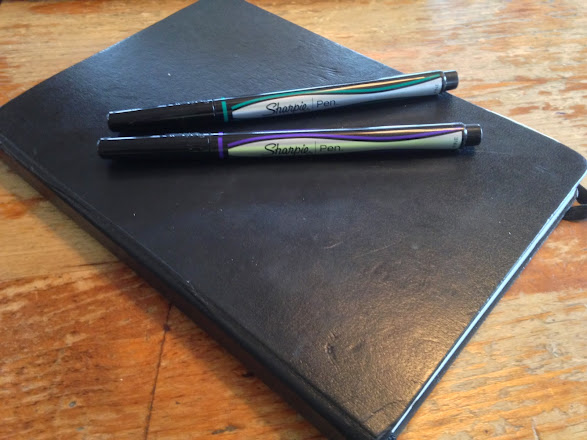
First things first… Here’s my notebook.

It’s a 5.75 x 8.25 inch Leuchtturm Medium Notebook with dots on the pages, and you can read more about it here. I love this notebook, but you don’t need it to bullet journal – any notebook will do.

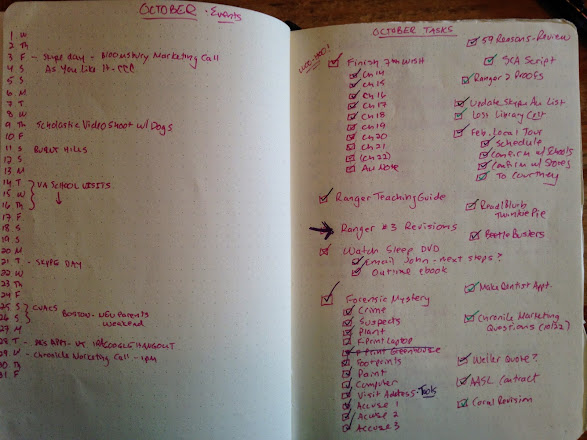
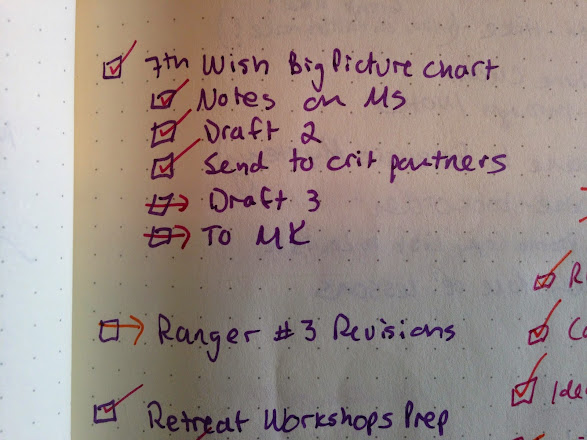
As the video suggests, I make a two-page spread for each month, with scheduled events on the left and a list of tasks for the month on the right. Here’s October – you’ll note that some tasks are broken down into smaller pieces, which keeps me from getting overwhelmed (and allows me to check things off even when I’ve just taken a small move toward completing the task. Baby steps!)

Here’s November:

As tasks are completed, I check the box next to each one.  If a task doesn’t get done in that month, it gets an arrow, showing that it’s been moved to the next month. I thought I might finish my 7th WISH novel draft in November (a girl can dream) so I put that on the list but ended up moving it to December. Ranger #3 revisions didn’t happen in October or November because my editorial letter didn’t come until later on. But I totally got to check that off in December, too.

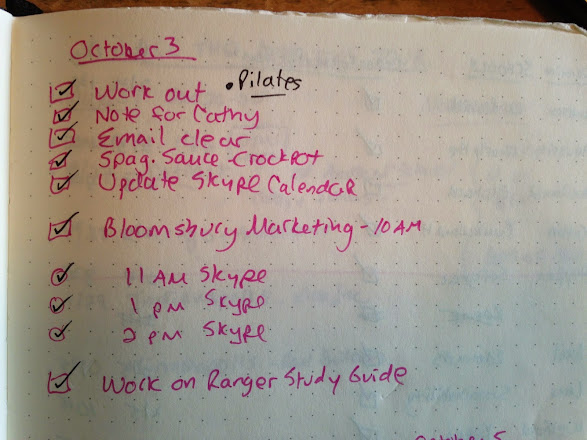
For each day of the month (most days, anyway) I make a separate entry with tasks & events for that day. I try to include everything that’s important to me – not only the work-related things that need to be done, but also my kids’ events, getting some exercise, and other things that I really want to do that day. Some – but not all of these things – are on the monthly task list, but others – phone calls, making spaghetti sauce for dinner – aren’t significant or long-term enough to warrant that, so they just pop in on the days when they come up.

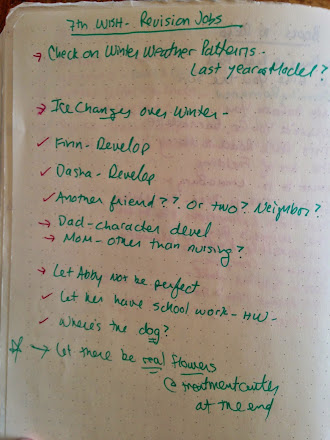
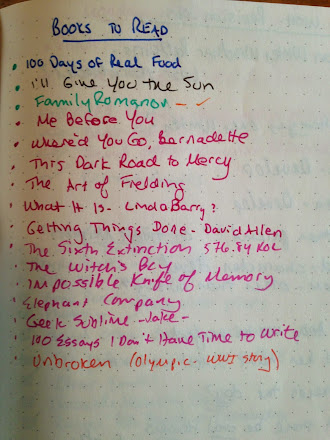
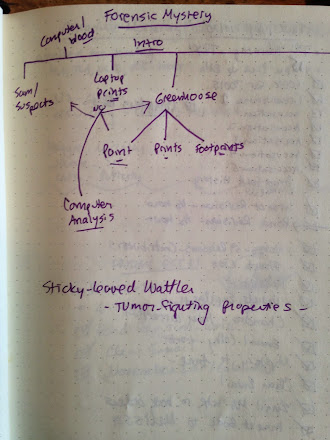
Aside from the monthly and daily calendars, I have lots of other pages in the notebook that I use for story ideas, organizational charts, phone call note-taking, grocery lists, manuscript notes, lists, etc.

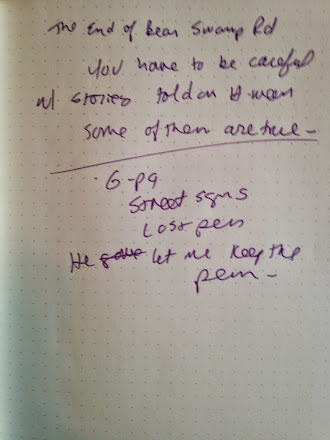
(I promise you, the above scribbles make perfect sense to me. They’re lines & ideas for a maybe-story that occurred to me while I was driving to a school visit this week. I pulled over, scribbled them down in my bullet journal, and continued on my way.)

One of the reasons I chose the notebook I did was because it has page numbers and a table of contents in the front. Whenever I add an entry (other than the daily to-do lists), I add it to the table of contents so it’s easy to find later.

One thing you’ll notice here is the serendipitous nature of the whole thing – story ideas live side by side with phone call notes, brainstorming charts, grocery lists, and jobs I need to do in my role as a skating club parent volunteer.

After three and a half months of bullet journaling, I’m pretty much hooked. I am a particularly task-oriented person, so this system makes me more productive and less likely to fritter away time on social media, which is great, but it also forces me to own what’s important to me each day. If it goes in the bullet journal, it matters, and I’ve found that I’m more likely to honor my exercise plans and small writing goals when I write them down here. I’ve always kept paper to-do lists, but this is different, somehow, in its permanence. Today’s list doesn’t get tossed in the trash tomorrow, and for some reason, that adds to my motivation to keep those commitments.

I know some other writers & other book industry friends are trying this out in the new year, and I’d love to hear how it’s going for you so far!

New Books in 2015!

2015 will be my busiest book year ever, with seven new titles coming out!

I know…that’s a serious pile of books for just one year, but sometimes, things just work out that way. My new Ranger in Time series with Scholastic is on a two-books-a-year schedule, and two picture books that I wrote years ago are illustrated now and ready to meet the world. Add to that my 2015 novel, a new book for teachers and writers, and a calendar full of travel, and it’s going to be a pretty exciting year.

First on the calendar is RANGER IN TIME: RESCUE ON THE OREGON TRAIL, which releases January 6th in both hardcover and paperback, from Scholastic. This is the first in my new chapter book series, about a time-traveling search and rescue dog. His first mission is to help a family traveling west on the Oregon Trail in 1850.

School Library Journal featured Ranger in its Early Chapter Books to Cheer About feature: “This excellent story contains historical details, full-age illustrations, and enough action to keep even reluctant readers engaged. A wonderful author’s note at the end is full of quotes from authentic journals, factual information on search-and-rescue dogs, and suggestions for further reading. This is a stellar choice for readers just starting full-length chapter books and would be a hit with young history buffs and dog lovers as well.”

On January 13th, 59 REASONS TO WRITE comes out from Stenhouse. Officially, this is a book of mini-lessons, writing prompts, and inspiration for teacher-writers. But really…it’s for anyone who has always wanted to make more of a commitment to writing. You can preview this title here.

On January 27th, my new middle grade novel, ALL THE ANSWERS, comes out from Bloomsbury. It’s about an anxious 7th grader named Ava who finds a magic pencil that answers any question she asks. Almost. Booklist liked it —  “Although Ava is constantly worried, the novel’s tone remains bright and cheerful. Yes, there’s a magical pencil, but this remains an emotionally resonant portrait of a sweet girl whose struggles are firmly rooted in reality.” — and I hope you will, too.

I’ll be on tour for ALL THE ANSWERS from January 26th-February 6th – visiting schools and bookstores in Detroit, Chicago, Indianapolis, Minneapolis, Boston, Vermont, and Northern NY.  If you can’t make it to an event but would like to order personalized, signed copies of RANGER IN TIME or ALL THE ANSWERS, you can call The Bookstore Plus at 518-523-2950. I’ll be signing there on February 4th and will sign all pre-orders then.

In May, HOW TO READ A STORY comes out from Chronicle Books. It’s a playful celebration of the fine art of sharing a story aloud. This book has been a long time coming (I sold it back in 2011!), and I am so excited about how it turned out. Mark Siegel is responsible for the charming illustrations.

If you loved OVER AND UNDER THE SNOW, you’ll be happy to know that illustrator Christopher Silas Neal and I have a follow-up title coming in March.

 UP IN THE GARDEN AND DOWN IN THE DIRT explores daily life in a vegetable garden, spending time with a grandmother and child weeding and watering as well as the earthworms and beetles working away down in the dirt, doing their own part to keep the garden growing.

Some of my 2013-2014 Scholastic titles are coming out in paperback this spring, including the last two Silver Jaguar Society Mysteries. HIDE AND SEEK comes out in paperback March 31st. MANHUNT and MARTY MCGUIRE HAS TOO MANY PETS will be out in paperback April 28th.

The second Ranger in Time book launches this spring, too.

RANGER IN TIME: DANGER IN ANCIENT ROME will be out June 30th. Also a simultaneous hardcover/paperback release, this book sends Ranger back to the days of gladiator fights at the Roman Colosseum.

I plan to spend my entire summer sitting beside Lake Champlain with a cool drink in my hand, recovering from all of these book releases. (Not really. I’ll also be writing and hopefully traveling to research a new project.)

Then, in the fall, TREE OF WONDER comes out from Chronicle. I don’t have a final cover yet, but here’ s a peek at the incredible art…

Screen Shot 2015-01-02 at 3.56.20 PM

This picture book, illustrated by Simona Mulazzani, celebrates biodiversity and math as it explores the multiplication of life in a single rainforest tree.

I’ll be visiting a number of schools, libraries, bookstores, and festivals throughout the year. You can find my appearance schedule here, and if you’re near one of the cities I’ll be visiting, I do hope you’ll come say hi and introduce yourself.

Happy 2015!