Nonfiction Monday – Steel Drumming at the Apollo

As an English teacher, I’m always looking for ways to bring nonfiction to my reluctant readers.  These are kids who haven’t discovered reading for pleasure, and many of them are boys.  If I’m lucky, I can sell them on a novel by Walter Dean Myers, Joseph Bruchac,  David Lubar, or Jack Gantos…but nonfiction?  Good luck.

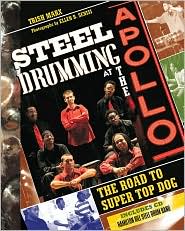
That’s why I was so excited to see a review copy of Steel Drumming at the Apollo from Lee & Low Books.  It’s nonfiction, in the form of a photo essay that follows a group of high school musicians from Schenectady, NY as they compete in a series of Amateur Nights at the famed Apollo Theater in Harlem.  As soon as I read the premise of this book, I was hooked — a group of city high school kids who get to play at a place so rich in history and so symbolic of the Harlem Renaissance.   Text by Trish Marx and photographs by Ellen B. Sinisi tell the story in vivid color, featuring details of the competition and the kids’ preparation for it, profiles of the young artists, and backstage snapshots at the Apollo.  The photographs and text bring the young musicians’ steel drumming to life.

The book even includes a cd of the band’s music, tucked in a pocket inside the back cover. And these kids can play!  Their story will be an inspiration to other city kids who dream of making it big.  Steel Drumming at the Apollo is a terrific choice for kids who need a fun, accessible introduction to nonfiction.  They’ll be singing its praises and dancing along as they read.

First Light by Rebecca Stead


I’ve had Rebecca Stead’s debut novel First Light in my pile of books to read since November, when I met her at the Rochester Children’s Book Festival.  But then the Cybils came along, and I discovered that being a panelist for middle grade fiction meant reading nothing BUT middle grade fiction from October through the end of the year.  (First Light was actually nominated in the Fantasy & Science Fiction category, so it was in someone else’s pile.)

Once I finally started this book, it was hard to put down.  Peter Solemn’s world is rocked in the very first chapter when his father, a glaciologist, announces the family is going on a research trip to Greenland.  Two chapters later, we meet a second main character, Thea, who lives under the arctic ice in a society created generations ago by a group of people fleeing persecution in Europe.

What I loved most about this book was that it plunged me into not just one, but two fascinating new worlds.  Greenland itself really qualifies as an alien landscape of sorts, and Stead’s rich details bring it to life.  (Is there really a Volkswagon Road there where the company tests new models?  So cool!) Thea’s world beneath the ice is painted vividly as well with terrific  techno-details about the innovations of that new society called Gracehope.  I’ve added Gracehope to the list of imaginary places (along with Hogwarts and Narnia) that I long to visit some day.

I’m not giving too much away if I share that Peter and Thea  cross paths along the way.  Their stories intertwine in ways that are surprising but perfect and believable at the same time.  First Light is a great read — a fantastic mix of science fiction and adventure with plenty of real science mixed in, too.  Teachers looking for titles to integrate with earth science and environmental units will especially love this one.

Iditarod Dreams

We had plans to ski last Sunday, but high winds kept the chairlifts  at Whiteface Mountain grounded for the first part of the morning.  Instead of waiting it out, we headed into Lake Placid for some pancakes and a dogsled ride.

I’ve always been fascinated by the Iditarod, the 1150-mile sled dog race from Anchorage to Nome, Alaska.  A few years ago, my husband and I visited Iditarod headquarters and got to meet some of the amazing dogs that make that journey.  But it was summer, so we couldn’t  actually ride on a dogsled.

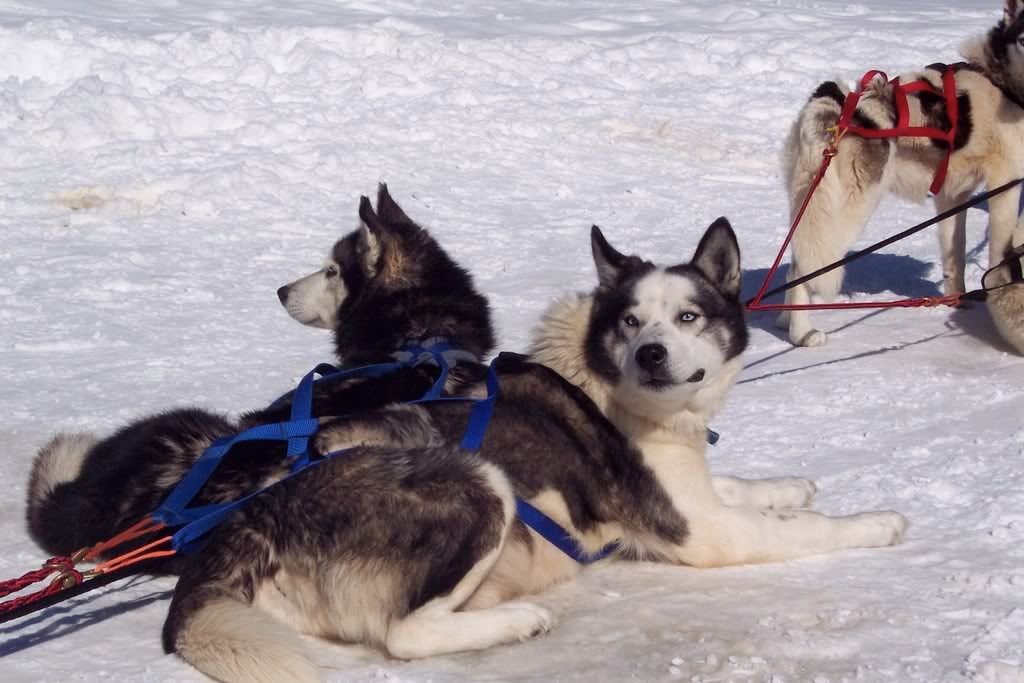
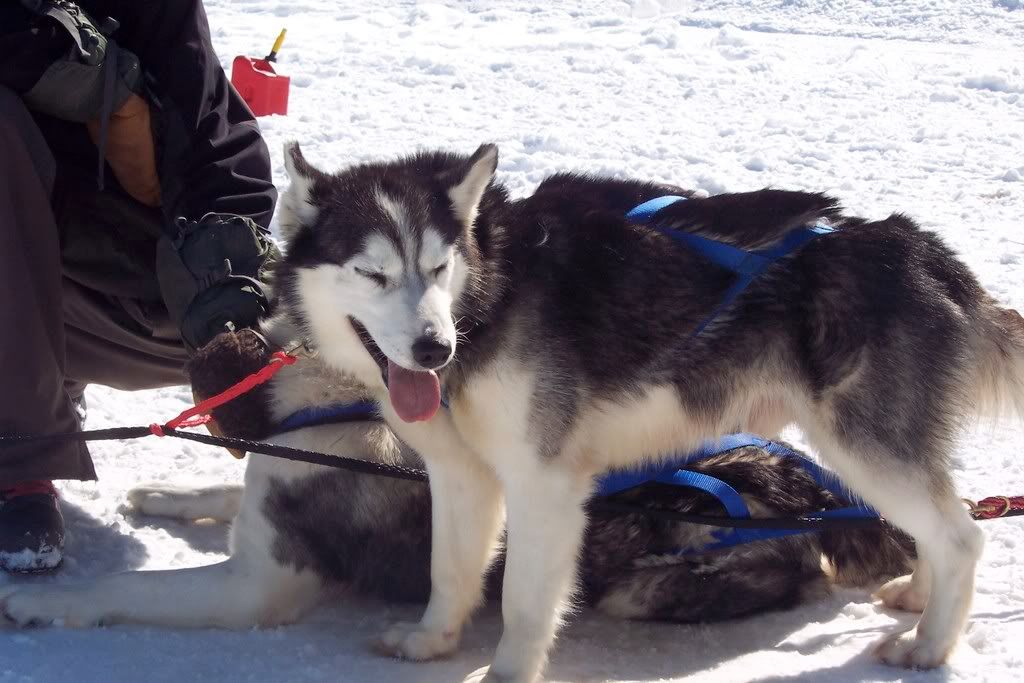
That’s why we jumped at the chance to take a ride with these gorgeous dogs on Lake Placid’s Mirror Lake.

The dogs were excited to find out they had some business.

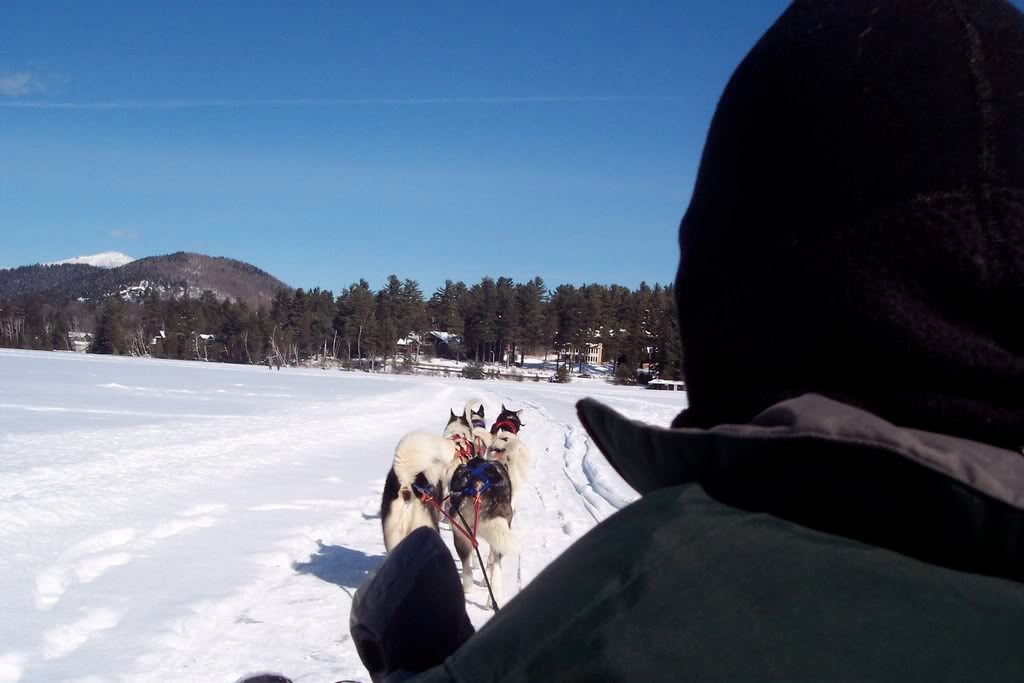
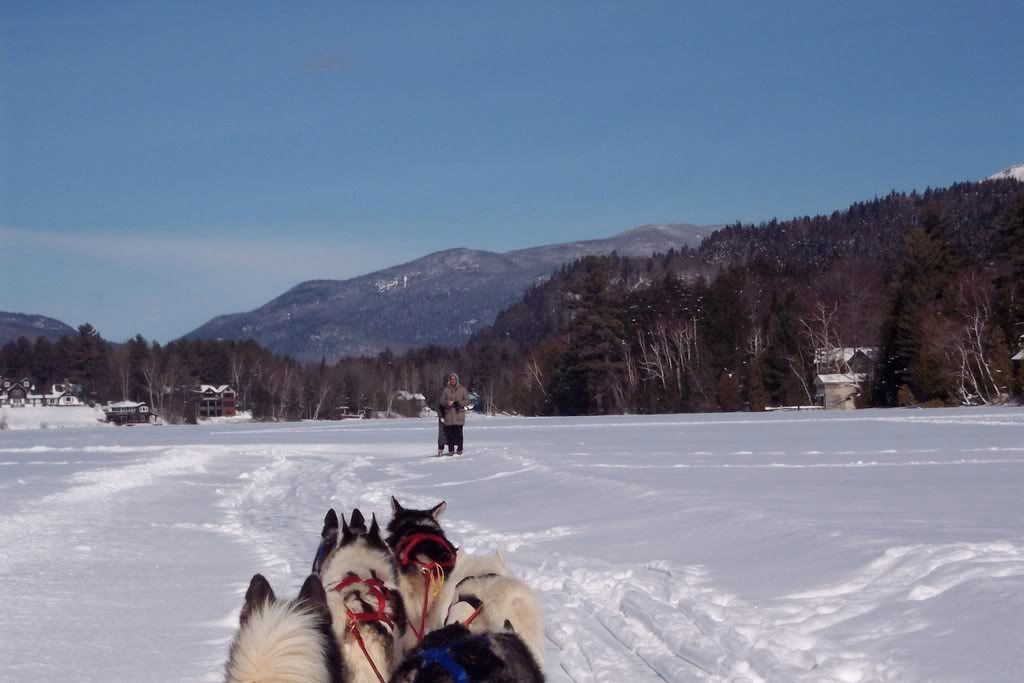
The ride around a frozen Mirror Lake was brisk but spectacular!

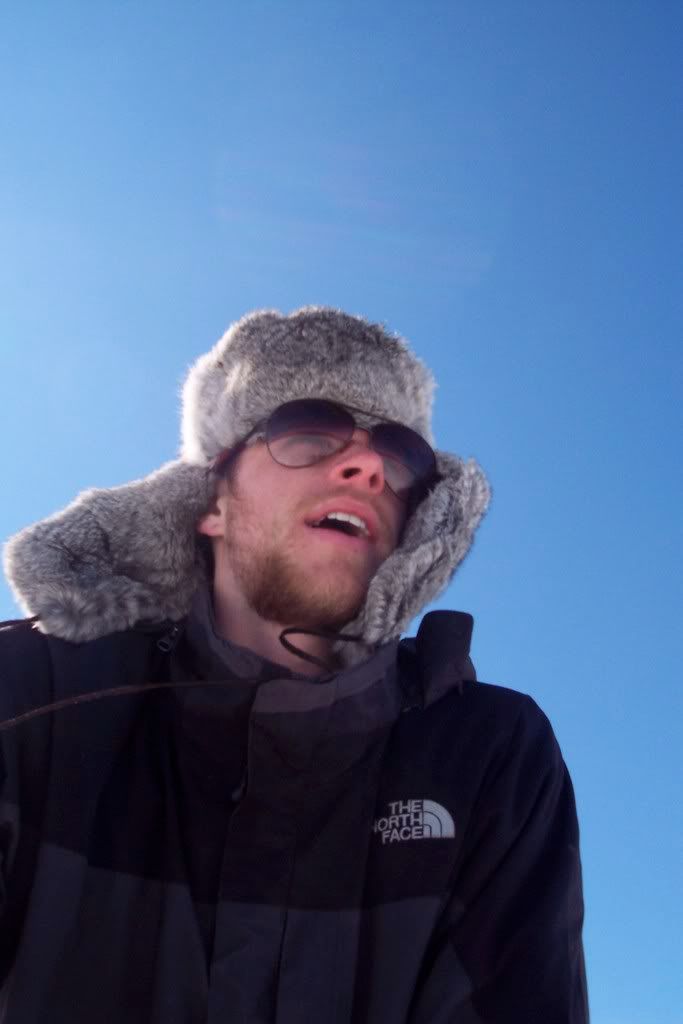
This is our musher, whose name has escaped me, but he was very, very cool and friendly.  Interestingly enough, he never actually hollered “Mush!”  He hollered “Hike!” instead.  We were slightly disappointed but got over it.

While we circled the lake, other winter weather lovers were skating or riding toboggans down an icy chute set  up along the shore.

This is Lightning.  He likes to run in the back of the pack and was the friendliest of the sled dogs — the only one the kids could pet after our ride.  The rest of them couldn’t wait to pull us around on the sled but wanted nothing to do with us when the ride was over.  You can see in their eyes that these dogs still have a lot of the wild left in them — one of the reasons they do so well in the actual race in Alaska.

The real Iditarod is going on right now.  Here’s a great website where you can follow the progress of the teams.

Marching on…

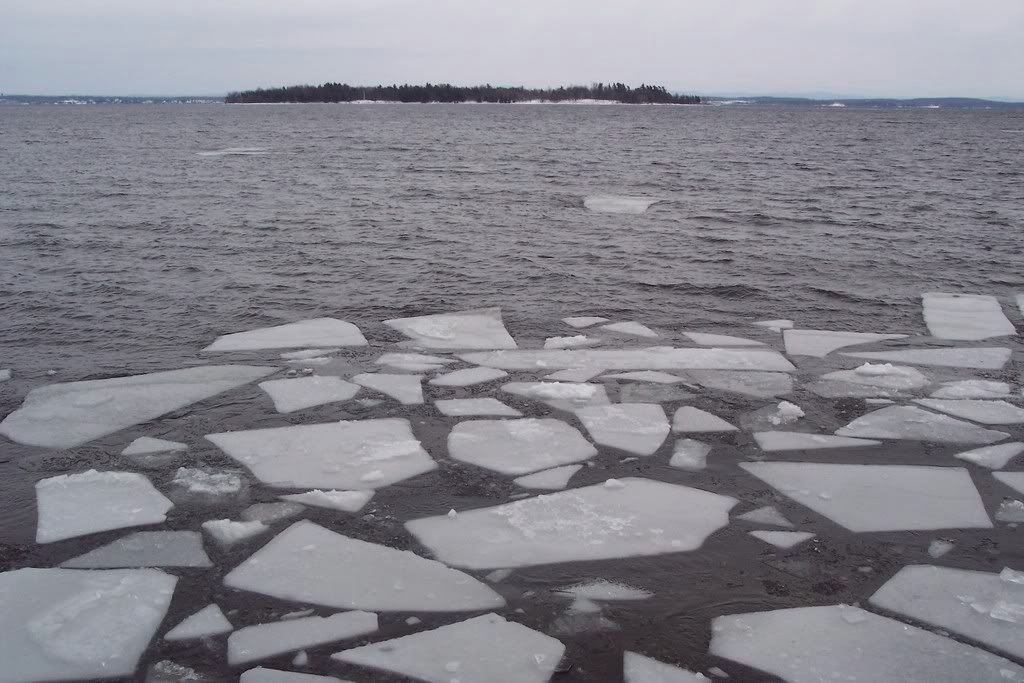
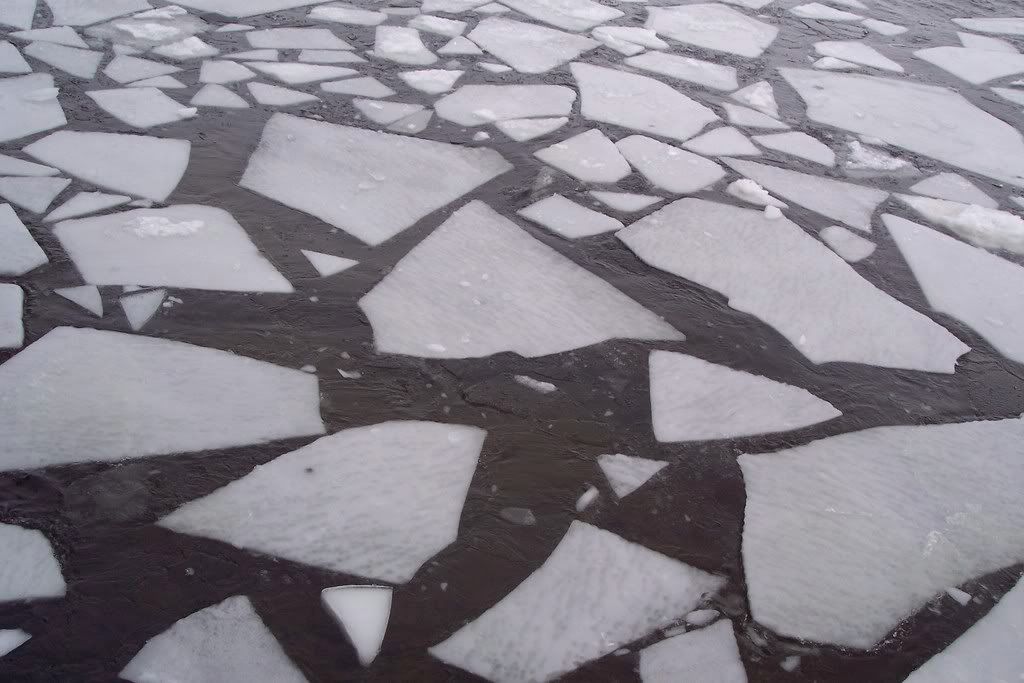
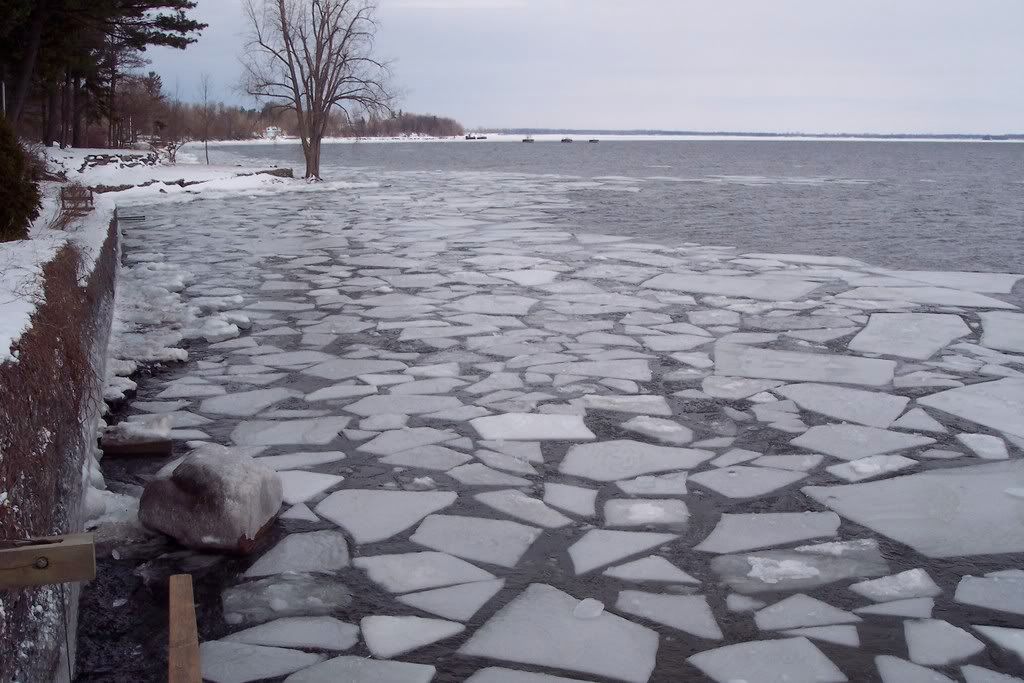
The ice on Lake Champlain is floating north in giant puzzle pieces today.

Some of these ice slabs are enormous — maybe 30 feet long.

There is a tiny part of me that thinks it would be fun to put on a big orange survival suit, climb onto one of them, flop down on my belly, and float all the way to Canada. 

But all the other parts of me get cold easily and have vetoed that idea. 

“Beside,” my 11-year-old said, “Waves slosh over those ice chunks all the time, and I think they’d wash you off before you got to the border.”

Instead, I’ll be in the big chair by the window, watching the ice float north without me while I read Eric Larson’s Thunderstruck with a cup of hot chocolate.


best tracker


Places to go, people to see…

A March 1st to-do list…

1. Go wish

a happy birthday and a happy book birthday.  Love and Other Uses for Duct Tape is officially out today!

2. Wish

a happy book birthday, too!  March 1st is the official release date for A Curse Dark As Gold

3. You’ll need something to eat while you sip your tea and read these, so go visit

to get the recipe for her decadent whoopie pies.

4. Want to find an author to visit your school or library?  Virginia children’s author Kim Norman has put together a listing of Author School Visits by State. (Shh…don’t tell anyone, but I’m listed under two states. Even though I live in New York, I can see Vermont from my back porch, and I do lots of events there, too.)   If you’re a writer with a traditionally published children’s book, drop her an email and she’ll add you to the list.

5.  If you’re experiencing the blowing snow and sub-zero temperatures of the Northeast right now, head over to The Reading Zone for a virtual trip to Mexico with the Monarch Teacher Network.  Incredible pictures!

Thankful Thursday

It’s not quite Thursday, but I’m feeling thankful for:

…SNOW!!  We didn’t get as much as expected (I think

stole it all when the storm swung to the south), but it’s still beautiful, and the skiing will be great this weekend.

…the delete button on my keyboard.
  I just finished a rewrite of a chapter book that my agent said needed to lose some weight before it sees the light of day.  
                Before:    15,300 words
                After:         9,988 words
 (She was right, too.  The new version is simpler, funnier, more universal, and more kid-friendly. One more revision pass, and I’ll be ready send it off.)

…March Novel Madness, a get-moving, springtime writing project born at the Kindling Words retreat last month.  My goal is going to be 5000 words per week, which should carry me to the end of my new middle grade novel.  I’m especially thankful for the talented, organized, and fabulously fun  Alison James, who sent out inspiration packages to the writers participating in MNM.  Once I figured out that the lumpy envelope in today’s mail wasn’t anthrax, I was delighted to find a word count calendar and peanut M&Ms inside.

…a Map of the World to guide my March writing. 

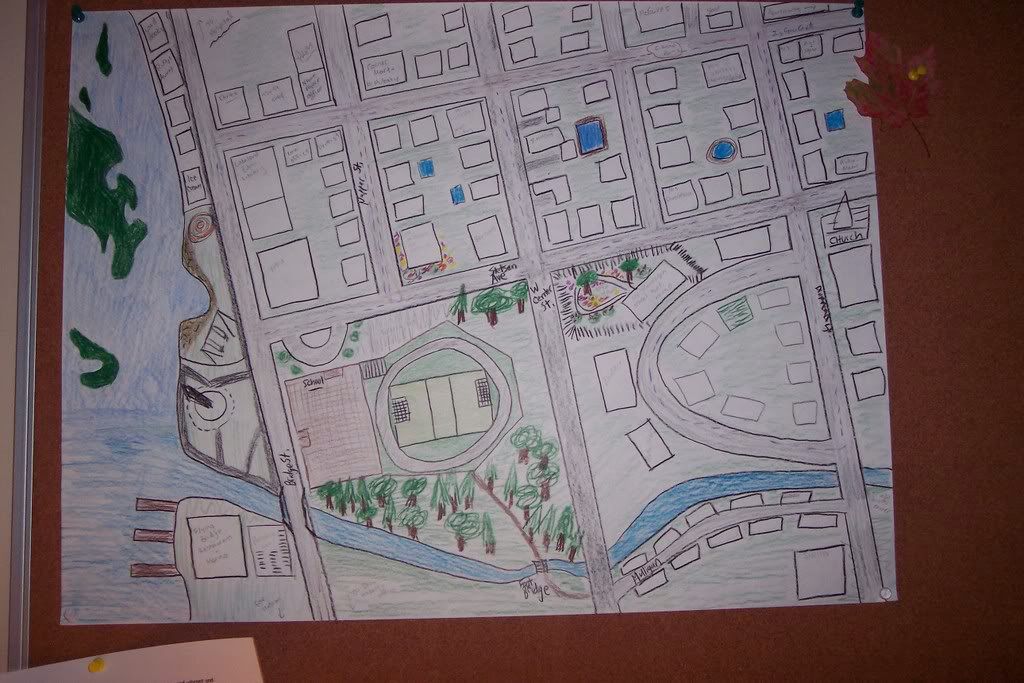
At one of Laurie Halse Anderson‘s Kindling Words workshops, she discussed the importance of setting details — and how hard it can be to “see” those details when you’re writing a contemporary novel.  I have a much easier time with historical novels, when all the rich setting details come from my research on real places and time periods.  What’s a writer to do with a neighborhood she made up?  Make a map?  That’s what several writers suggested to me, so I sat down with colored pencils and a huge piece of poster paper and mapped Zig’s neighborhood. 

It’s all there — the school, his best friend’s house, the diner, the rock skipping spot…everything. Already, it’s so much easier for me to envision the places that are part of his life.  It was really, really fun.  While I was drawing, I figured out something important about a secondary character’s backstory and discovered some spots in the neighborhood I hadn’t known about before.  Try this strategy!

Bonus for writers with kids at home:  They can do this right along with you.   E spent two hours adding details to her map of our neighborhood while I worked on mine.

Signing, Skating, & Champlain

Three highlights of my February vacation week!

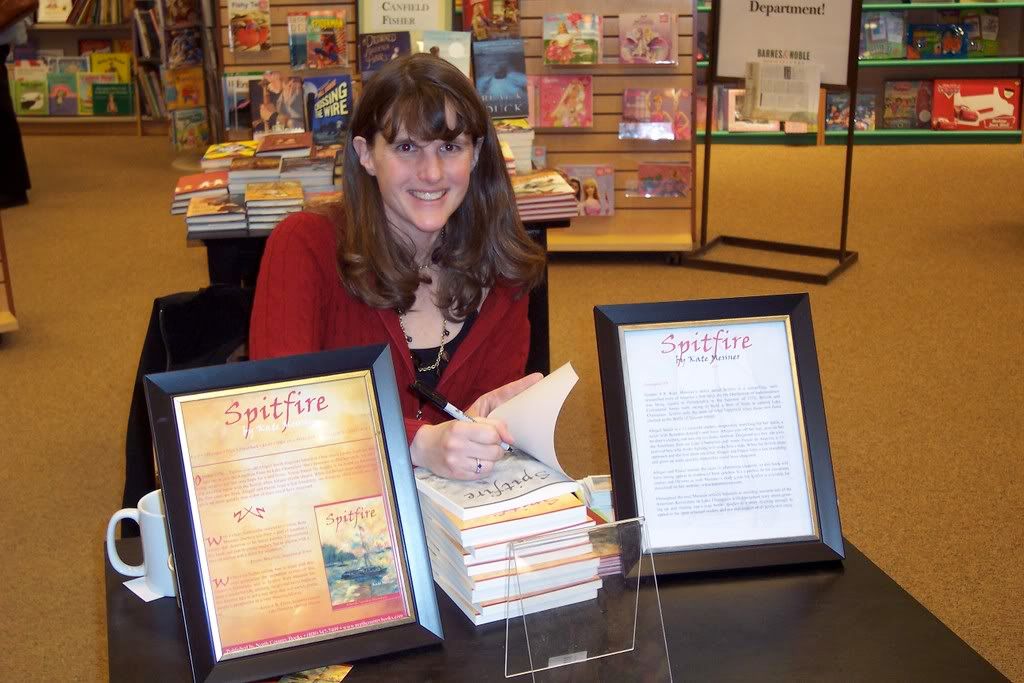
I signed books and met some fantastic readers at Barnes and Noble in South Burlington, Vermont yesterday afternoon.  Thanks to everyone who came out to pick up copies of Spitfire and say hello.  I was especially happy to meet Marje VanOlsen from the South Burlington Community Library in person. We’ve been emailing for a few weeks, and I’ll be presenting a summer program at her library in July. 

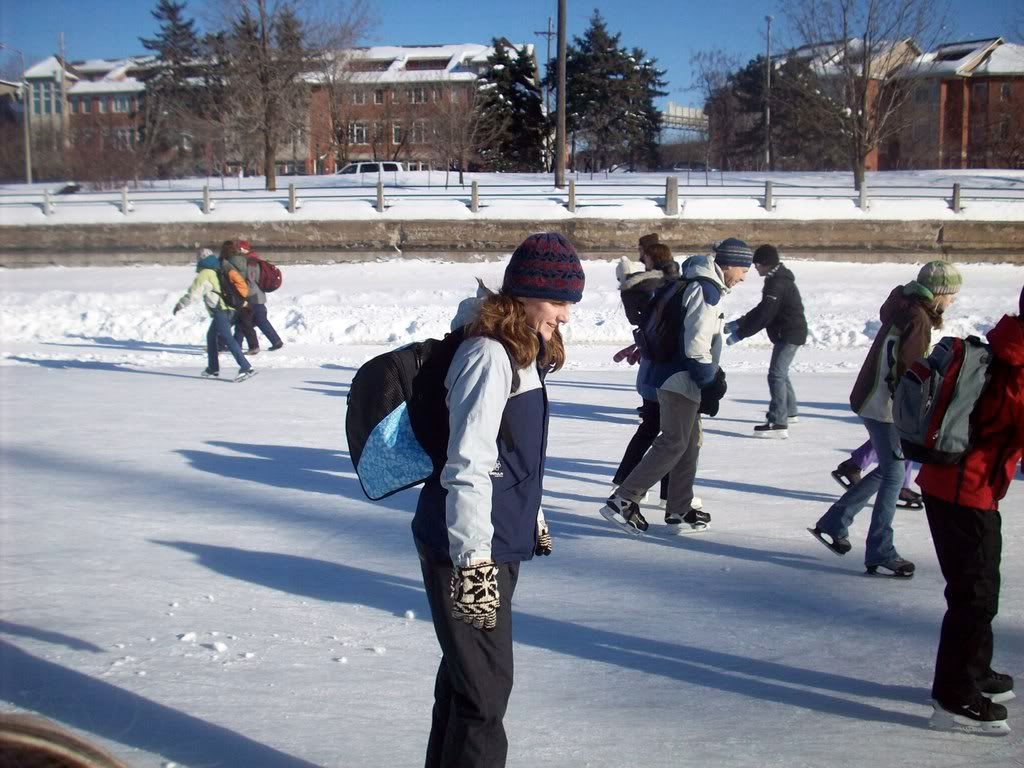
Earlier in the vacation week, my family enjoyed the last weekend of Winterlude in Ottawa.  It’s a fantastic winter festival with outdoor entertainment, ice sculptures, and best of all — skating!

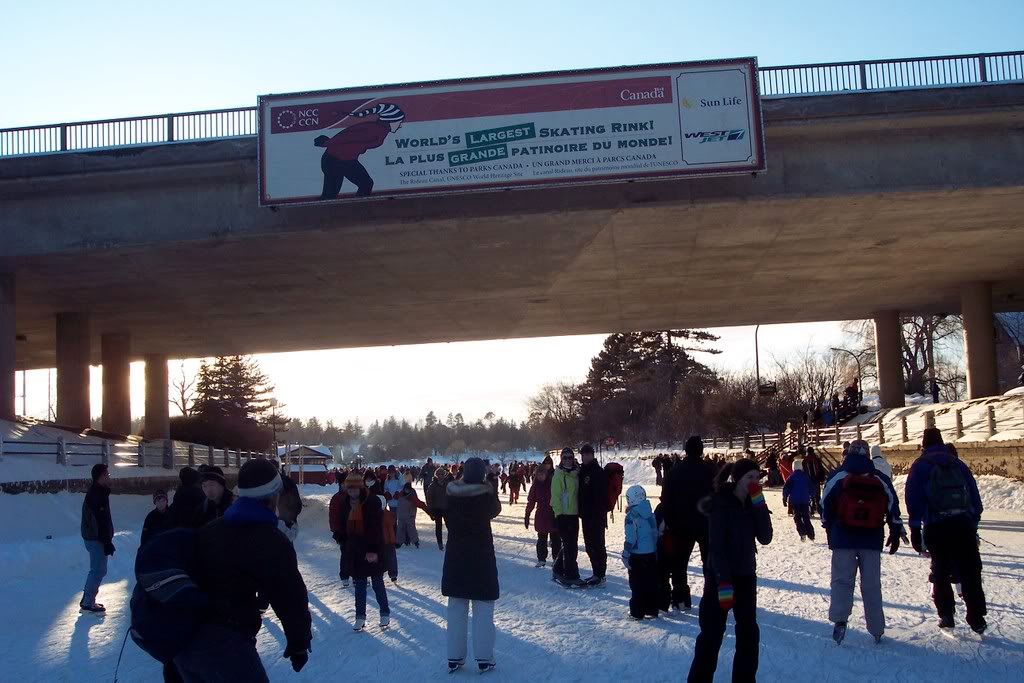
As soon as Ottawa’s Rideau Canal freezes, it turns into the world’s longest skating rink — literally.  Those world record folks at Guinness made it official this year. 

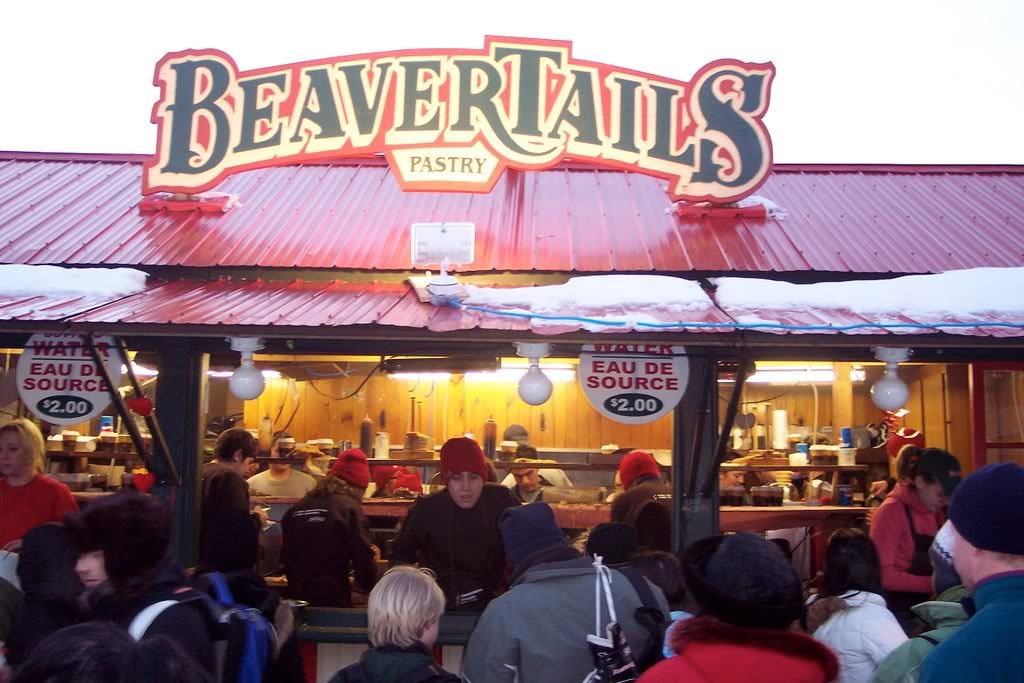
We had a beautiful day and enjoyed the full 7.8 km.  Of course, we did make a few stops along the way — most notably to indulge in a Beaver Tail or two.

If  you’re ever in Ottawa, this decadent delicacy is a must-have.  A beaver tail pastry is a very thin strip of fried dough shaped like, well, the flat tail of a beaver.  It’s dusted with cinnamon and sugar or drizzled with maple syrup (my favorite). 

I even managed to get some work done in between skating and scarfing down pastries.  I’ve been asked to do a couple presentations this spring, talking about my upcoming book Champlain & the Silent One, which comes out next fall.  That means going back to the places where I did some of my research to gather photographs and other resources for my school visits.

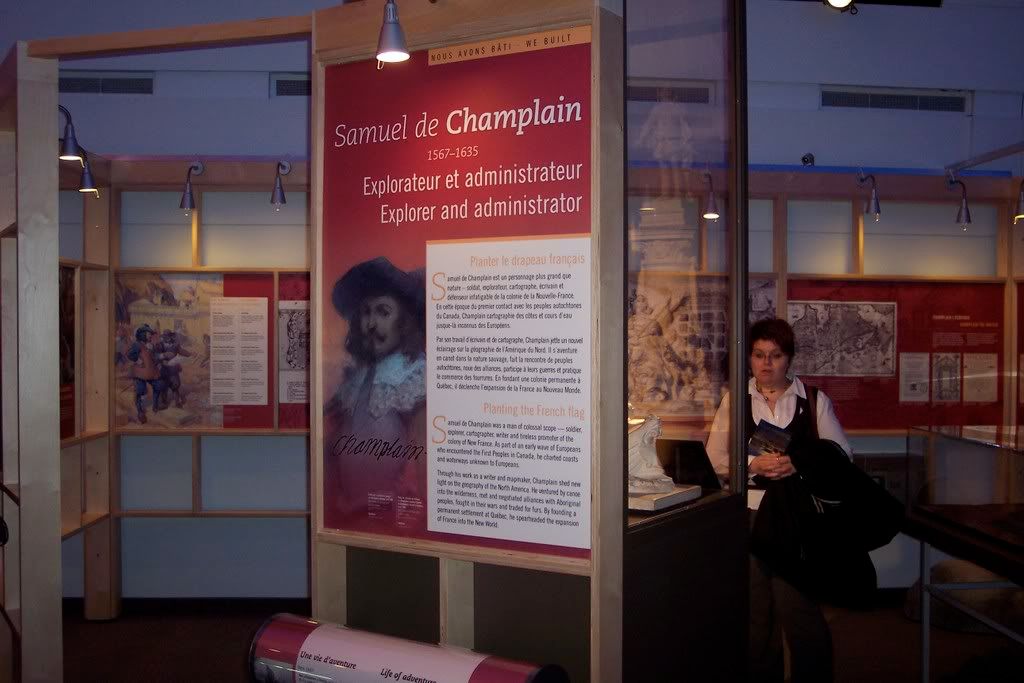
Ottawa’s Canadian Museum of Civilization is featuring Samuel de Champlain in an exhibit about people who shaped Canada’s history.

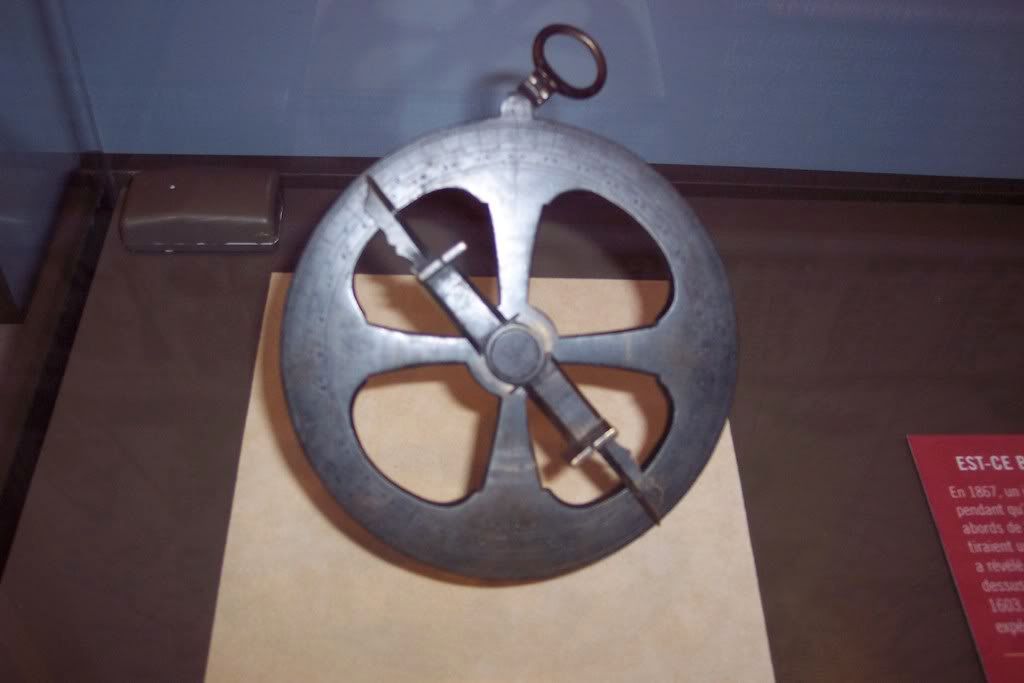
This was especially fun to see…

It’s a navigational tool called an astrolabe, and historians believe it might have belonged to Champlain himself.  According to documents, Champlain lost his astrolabe near a place called Green Lake when he was traveling up the Ottawa River in 1613.  In 1867, a boy named Edward Lee was helping his father clear trees in that area and came upon the instrument pictured above, right where Champlain supposedly dropped it 254 years earlier.

And here’s a quiz for particularly astute blog readers.  Look at this statue of Champlain with his astrolabe at Ottawa’s Nepean point.

There’s something wrong.  Do you know what it is? 

Ice Song

We had a lazy morning on Lake Champlain.  When I woke up, the lake was frozen solid from our back deck to the island about a mile offshore.  When the wind picked up, it churned up the open water to the south, and the ice started talking.

Sometimes, when the ice breaks up, it sounds like a timpani drum.  Sometimes it sounds like thunder. Sometimes it sounds like a sea lion barking.  And sometimes, it sounds like something from another planet — something that doesn’t sound like an earth noise at all.

So we shivered on the porch this morning and listened.  We watched a mink that popped up from a crack in the ice and played for about an hour before she disappeared again.  And we videotaped, so you could listen and watch, too. 

A Tale of Two Eclipses

Oh, what a difference 3,000 miles, 85 degrees Fahrenheit, and a good telescope can make.

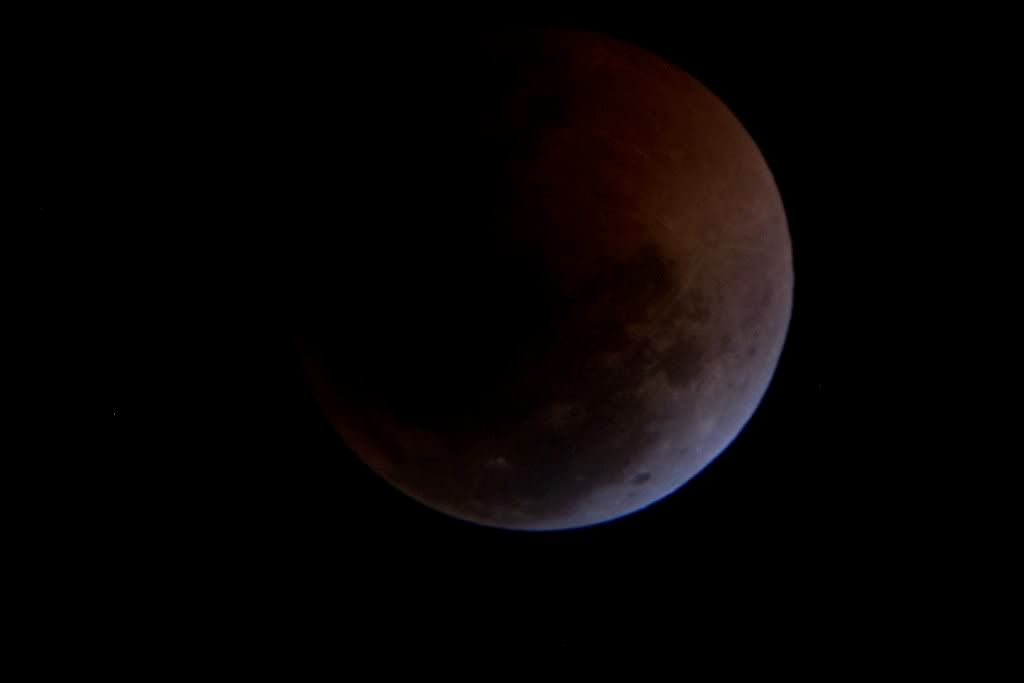
Here’s a photograph of the August 27-28, 2007 lunar eclipse that I took through a powerful telescope set up in the Anza-Borrego Desert near Borrego Springs, CA.  We camped in the desert that night so we could view the eclipse in one of the darkest places in the country. It was 99 degrees after the sun went down.

And here is a photograph of tonight’s lunar eclipse that I took from my back deck.  No fabulous telescope.  No coat.  14 degrees outside.   It’s tough to hold a camera steady in this kind of weather.  Maybe you noticed…

I’d try again, but it’s cold out there.  Does that make me a fair-weather astronomer?  My August lunar eclipse story is here, for anyone who missed tonight’s show and would like to experience one.