Dystopian World Building Worksheet – Part III

This is the third in a series of posts about the world-building process I’m revisiting as I work on edits for my 2012 dystopian novel EYE OF THE STORM. Part one of my dystopian world building worksheet– with an introduction to the concept of world building — is here.  Part two is here. And here’s part three…

What social ladders exist? Who has power and why? What are the tangible symbols of that power? Who is at the bottom of this society’s social ladder, and why?

What kind of ethnic diversity exists?

What role, if any, does religion play in this society? What are the dominant religions? What religions are marginalized?

What do international/inter-group relations look like? What wars are going on?  What countries or groups are fighting, and why? Which ones are allies? Which are enemies?

What climate and weather patterns are prevalent?

What does agriculture look like? Where do people get food?

What foods are considered standard fare? What foods are delicacies, and why?

In working on EOTS, a book with monster tornadoes, that weather question was obviously one that I spent a lot of time with before I ever started writing. But I’m going far beyond climate and weather in this new round of world-building (Can I still call it world building? I did that before I wrote…  Perhaps this is world-remodeling.)  And it’s interesting to me to explore how that climate & weather issue would shape the rest of this society’s world.

More world building questions soon.  Back to the colored markers & Post-It Notes now…

Super-quick post on a Wednesday: Revising, Reading, and More

1. I’m revising.

I was up way top late with colored markers and lots of timelines and notes and critique comments and lists and scribbles. This is my favorite part of writing, so even though the kitchen table looks like a tornado hit, I’m happy.  Sleepy…but happy.

2.  I’m reading this right now –

It’s funny and awesome so far.

3  And did you enter my Marty-McGuire-illustrator-announcement-win-a-book contest?   You have until Saturday!

4.  My SCBWI group meets at our local coffee shop, Koffee Kat, tonight. Then I’ll be revising again, fueled by the best mocha lattes in the history of lattes.

More dystopian world building stuff later on. Have a great Wednesday!

Dystopian World Building Worksheet – Part II

This is the second in a series of posts about the world-building process I’m revisiting as I work on edits for my 2012 dystopian novel EYE OF THE STORM. Part one of my dystopian world building worksheet– with an introduction to the concept of world building — is here.

Even though my editorial letter for EOTS arrived a week ago, I haven’t touched the manuscript yet. Instead, I’ve been writing answers to the questions on this world building worksheet I created to get myself thinking in the right direction for this revision.  Here are some more of the questions that I included:

What are the non-negotiable rules of this world?   Are there any exceptions?

What laws does society impose?  What happens to people who break them?

What rules or laws does the main character break or challenge?  Why?  What are the consequences?

What kind of government is in place?  Consider local & national levels as well as international cooperation. How does government impact citizens’ everyday lives?

What official document is in place to define that government? If it is a future version of a current document (i.e.Constitution), how has it changed? What amendments have been added?

What rights do people have?  What rights are they denied, and why?

What are this society’s most closely held values?

It’s interesting to note that when I created this worksheet, I was pretty sure some of the questions had nothing whatsoever to do with my novel. I answered them anyway, and it was actually one of those questions that led me to one of my best ideas for the revision. It’s not a huge change, but it’s a tiny detail that fits perfectly and resolves an issue my editor had raised. Had I not journaled about that "irrelevant" question, I doubt that idea would have surfaced.Tomorrow, I’m printing out my completed worksheet document with major breakthroughs and ideas highlighted, and it will be time to get back to the manuscript.

I’ll share another set of questions soon — the bunch that deals with diversity within the society. 

MARTY MCGUIRE’S Illustrator (and a giveaway!)

Last spring, I was in line at my local coffee shop when my cell phone rang.  It was Anamika, the editor of my MARTY MCGUIRE chapter book series with Scholastic, and when I answered, she had three words for me.

"He said yes!"

I screamed.  And the whole coffee shop turned. One lady startled and spilled her tea. I apologized profusely, finished talking with Anamika, picked up my latte, and proceeded to my local SCBWI group meeting feeling as if I’d just swallowed fifteen canaries because I couldn’t tell anybody the news about the project’s illustrator just yet.

But now I can.  You probably already know him…

It’s Brian Floca, the author/illustrator of Sibert Honor books MOONSHOT and LIGHTSHIP and the illustrator of this year’s incredible BALLET FOR MARTHA: MAKING APPALACHIAN SPRING, which I just bought last week at Flying Pig Books, and it’s absolutely stunning.  I was a fan of Brian’s work long before his name rose to the top of our Marty illustrator wish-list, so I am just over-the-moon to share this news.

At one point while I was waiting for news, Editor Anamika emailed me: "He’s reading the manuscript this weekend!"  I cheered. Then I spent the entire weekend asking my husband, "What page do you think Brian is on now? How about now? Do you think he likes it?"

I am so very glad that he did. MARTY MCGUIRE, the first book in the series, comes out in May 2011.

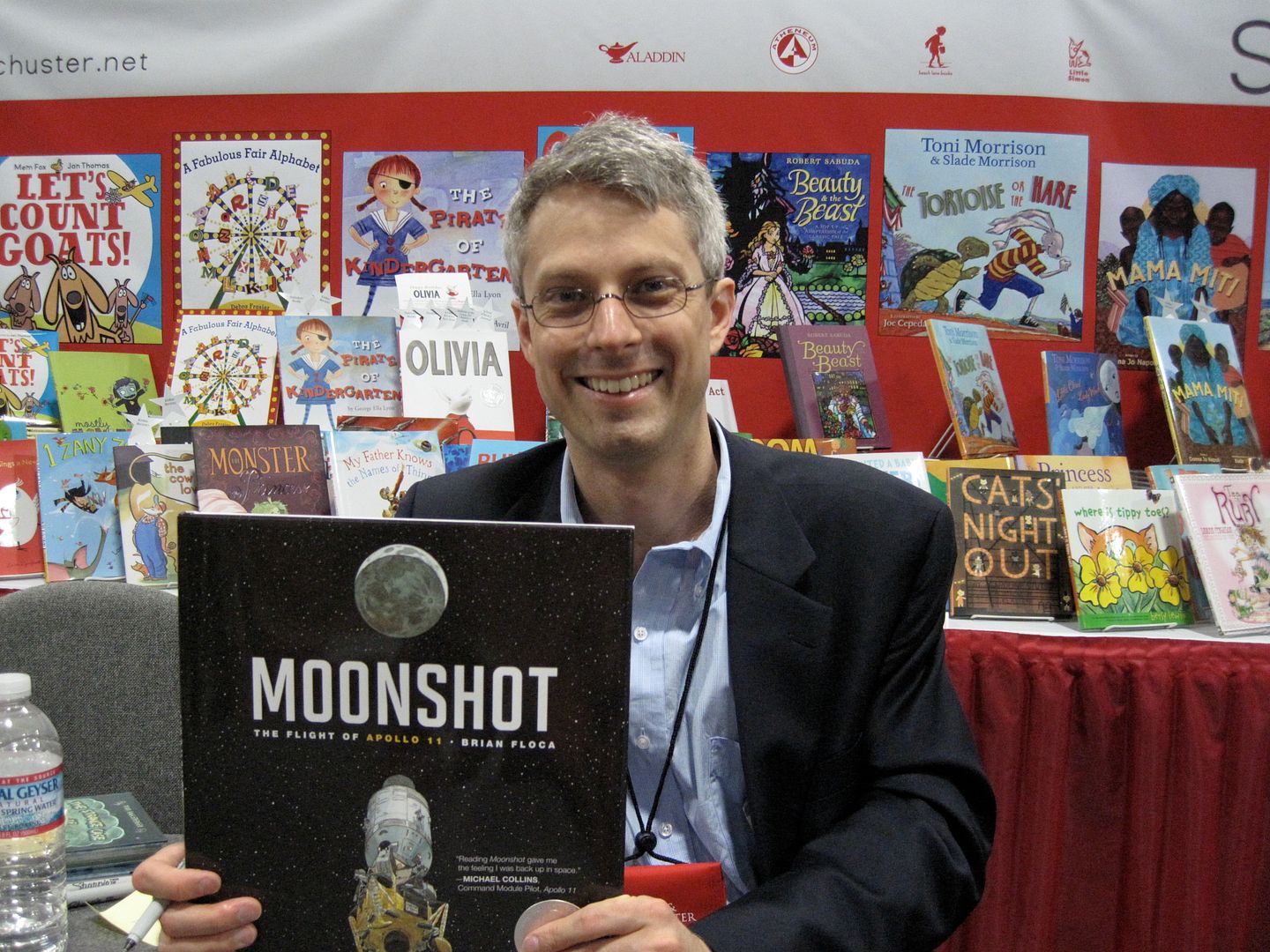
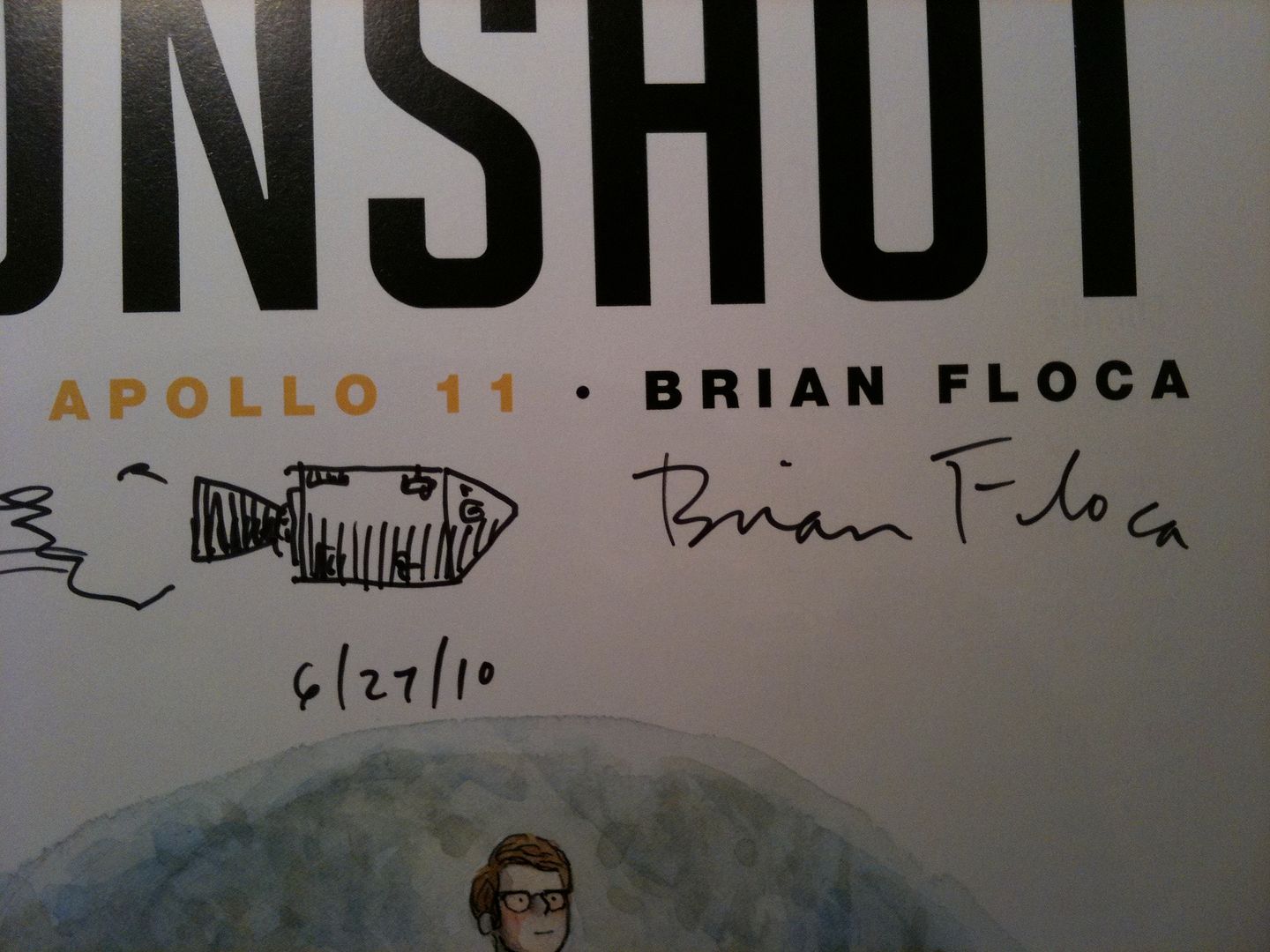
I took my daughter to Brian’s ALA conference signing back in June, introduced myself,and snapped the photo you see up there.  I also bought a copy of MOONSHOT for Brian to sign as a giveaway on my blog for the day I was able to share the good news about Marty.

We’ll have a drawing next weekend, okay? To enter, just leave a comment by midnight Friday night. If you are under 13, please have an adult enter for you. On Saturday (10/9) I’ll draw a name – so be sure I have a way to get in touch with you if you’re not on LJ.

best tracker


I’d like to introduce you to my Sea Monster…

This the cover proof for Sea Monster’s First Day, my picture book about a nervous sea monster’s first day in a new school…of fish.  It’s coming out with Chronicle in July, and my terrific editor Melissa just sent me the page proofs via FedEx…a fun surprise waiting when I got home from school!

Illustrator Andy Rash is the amazing talent (and sense of humor!) behind the artwork. That little orange backpack makes me smile every time I see it.

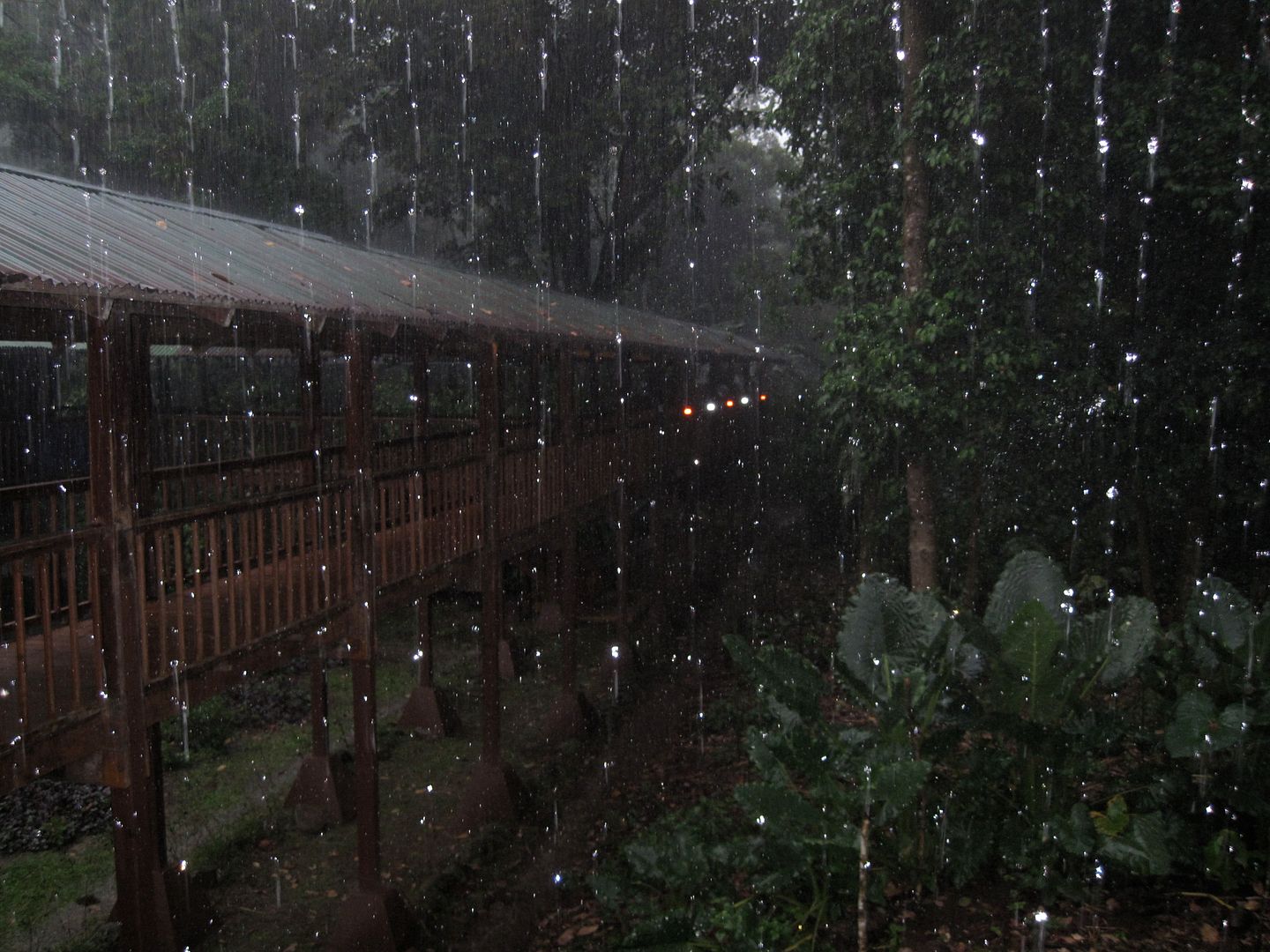
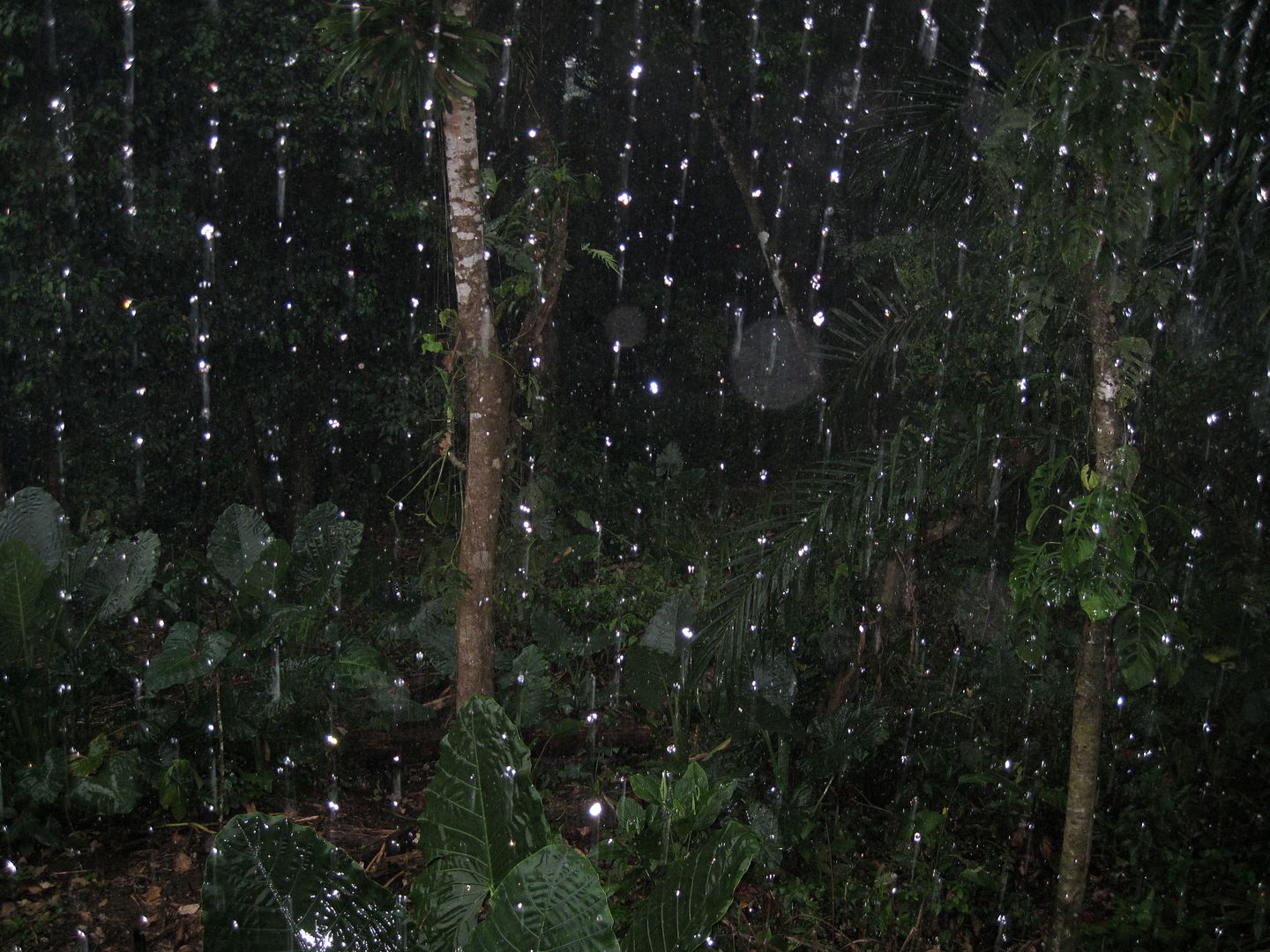
Like Costa Rica Rain…

One of the things I love most about traveling with my family is the way our shared experiences shape the way we see things, long after the trip is over.  Yesterday afternoon, it rained pretty hard here for a little while, just before my daughter and I had to go out to pick up my son at the high school.

"Wow," she said. "It’s like Costa Rica rain."

We both watched out the window for a minute, then said at almost the same time, "But not quite."   Because the rain in the jungle this August was so unique, so dependably spectacular and loud every afternoon at about four o’clock.

I love that our summer trip gave my daughter and me that secret, shared way of seeing a September downpour. It rained hard yesterday. 

Almost like Costa Rica rain. But not quite.

TOUCH BLUE and lobstering at Flying Pig Books

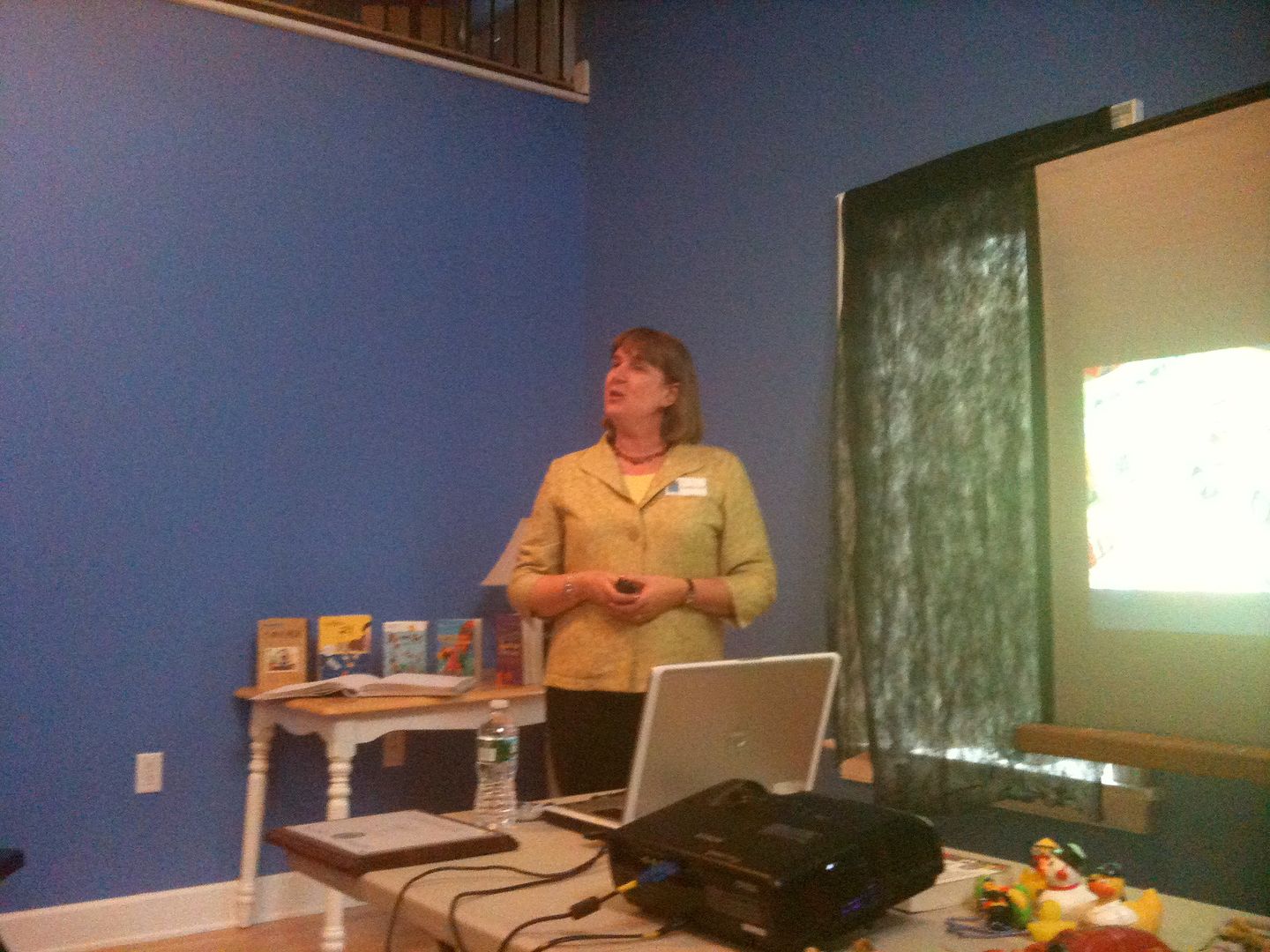
My daughter and I took an after-school ferry ride this afternoon to attend Cynthia Lord’s TOUCH BLUE event at Flying Pig Books. We both read and loved TOUCH BLUE so hearing Cindy speak about it was a real treat. We got to see old photos of the real Maine schoolhouse that inspired the story of TOUCH BLUE, in which families take in foster children to try and save their island school.

And Cindy had great props!  She brought her marked-up manuscript with line edits, some rubber duckies from RULES, sea glass, which plays a role in the book, and lobster banding things (Banders, perhaps? Is that what they’re called? Clearly I was not paying close enough attention…)

Flying Pig co-owner Elizabeth Bluemle took the lobstering practice a step further and started banding guests at the book event, including my daughter and author Linda Urban ( ).

I do not think poor Linda enjoyed being banded… (though she was laughing a second after I took this photo)

Yes, we had entirely too much fun.  And I have a shiny, signed copy of TOUCH BLUE to add to my classroom library tomorrow!

Dystopian World Building Worksheet: Part I

My revision letter and first line edits just arrived for EYE OF THE STORM, my upper-MG dystopian novel coming out with Walker/Bloomsbury in 2012.  I’ve been dying to get back to this book, but before I touch the manuscript to make a single change, I’m going to be writing many, many pages of world-building thoughts. While I did a lot of this during the planning process, I can already tell that this revision is going to be easier — and just plain better — if I take even more time to write explicitly about this world my character inhabits, its rules and challenges, and how it got to be the way it is.

For those who aren’t familiar with the term, world-building is the process of coming up with all that information — the history, rules, and everyday realities of the world in which a fantasy or science fiction novel is set.  In historical fiction, we simply call this research, because the world already existed in a past time, and the writer’s job is to ferret out all the details about what it was like.  But when a story is set in an imaginary world or in the future, there’s no real-life past to explore.  It all has to be made up, but made up in a way that makes sense, in a way that the circumstances of the world are believable, given the history that created it, and in a way that’s logical, given the rules you’ve established for the world.

Even imaginary worlds need rules.  Consider Hogwarts. The incantation "Expelliarmus!" always results in an opponent being disarmed, if it’s done right. As readers, we wouldn’t be on board if a character used "Expelliarmus!" to disarm an enemy in one scene and then cried "DroppusWandus!" five pages later. Things need to be consistent.

So what do writers need to consider when creating a world?  I actually spent some time looking around online this week, hoping to find a magical worksheet that would guide me through everything I’d want to consider.  I found some excellent resources at the League of Extraordinary Writers blog, written by a group of debut dystopian writers.  I also liked this post, called "The Importance of Worldbuilding."  But despite searching all over online and even asking for resources on my beloved Twitter, I couldn’t come up with a world-builiding worksheet that felt like it would work for me.

So I made one.  It’s six pages long, and it explores just about every aspect of my future society that I could come up with.  Here’s how it starts:


Geographic Location ___________________________________________________

In the year _______________

In this dystopian society… (Write one sentence that expresses the heart of the story, the conflict as it relates to the dystopia.)

What current issue/problem is at the heart of this dystopia?  From what spark of our modern reality was this world born?

How does the setting of this story impact the main character?

I’m going to get back to writing now, but I’ll share more of this worksheet in the revision-days ahead, in case it’s helpful. If you’re interested in this kind of thing, watch for Part II in a few days.

Almost-Friday Five

1. Remember that book I’m writing for teachers? About how to get kids excited about revision using strategies shared by lots of authors who write for them?  It’s just about done!  I’m waiting on a few photos & quotes, and adding a couple more student work samples this week because my new 7th graders just did some fantastic revision work that was too good to leave out. But otherwise, it’s done & ready to go back to my editor at Stenhouse. This is very good timing because…

2. The fabulous MK, my editor at Walker/Bloomsbury, emailed the revision letter today for EYE OF THE STORM, my upper-MG dystopian tornado book that’s coming out in Spring 2012. The line edits should be arriving by UPS tomorrow!!  I’m always excited about editorial letters, but especially this one. I absolutely love this book, and to be honest, working on nonfiction for most of the summer has left  me with a real ache to start making things up again.

3. Did you want to enter the GoodReads drawing for an ARC of SUGAR AND ICE?  It runs through September 30th – a few more days to enter. And if you’ve read the ARC or want to add it to your to-read list, you can click here to do that, too.

4. The Author Spotlight interview I did with Mountain Lake PBS a few weeks ago is available online now. I talk about THE BRILLIANT FALL OF GIANNA Z and how my writing and teaching lives fit together.  I was a little intimidated when the producer told me that his other interviews had been with Katherine Paterson and Steven Kellogg.  (Warning: it’s kind of long, so probably only my mom will want to watch the whole thing) I’m Chapter 4, about 14 1/2 minutes in.

5. Speaking of Gianna Z, the book’s been out over a year now, but every so often, I come across a new review on a website or blog. This Gianna Z. review by a teen book blogger at has to be one of my all-time favorites. I love how strongly she identified with Gianna and that she took the time to write such a thoughtful review.

5.5 We had open house at my school tonight. In the half hour I had at home between school & the evening event, while I was making dinner for the kids, I whipped carefully removed a bowl of spaghetti sauce from the microwave. It splashed out of the bowl, across the stove, into the silverware drawer, onto the floor, and onto my skirt. I did not have time to change, so I just swiped at the mess on the floor and sort of shook off my skirt. Happily, the skirt was patterned with many bright colors, so I don’t think it showed. Much.  But if you were at open house tonight and smelled tomato sauce, that was probably me.

Eli the Good by Silas House

Screen Shot 2013-01-15 at 9.58.21 AMSo what’s to say about ELI THE GOOD?  I loved this book, despite a burst of bad attitude last week that made me impatient with its gorgeous descriptions for a day or so.  You can read more about that here, or not.

ELI THE GOOD is one of those stories where setting — place and especially time — takes center stage. The year is 1976 — a year I remember for our town’s bicentennial parade and because I spent most of it angry that I wasn’t allowed to ride my bike to the park alone.  Eli remembers it as the year things fell apart in his family — with a wild-spirited aunt who shows up with a secret, a mouthy, strong-willed sister who comes to blows with their mother, and a father who is trapped in his memories of Vietnam. It’s a beautiful, poignant book, full of the kinds of details that made me want to go back and reread passages.  There were many that I loved, but maybe this one most of all:

“Whole scenes of your life slip away forever if you don’t put them down in ink.”  ~Eli Book

I loved this book, though I haven’t had a chance to share it with students yet, and there’s one thing that makes me most curious as to how it will be received.  Even though Eli is ten years old the summer of 1976, he’s a grown man, narrating from years in the future as he narrates the book. In that sense, it feels more like an adult book sometimes than a title aimed at kids.  I’m curious to see how much students will connect with that older, wiser voice. Has anyone shared this title with tweens & teens yet?  I’d love to hear your thoughts!