Skype with an Author on World Read Aloud Day 2017!

Hi there – and welcome to the World Read Aloud Day author Skype volunteer list for 2017!

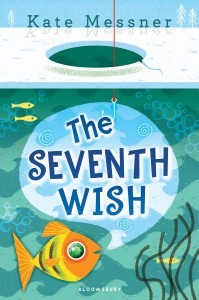
If you’re new to this blog, I’m Kate Messner, and I write books like these:

Ranger in Time -- Race to the South PoleHow to Read a StoryLink to Up in the Garden and Down in the DIrt The Seventh Wish

I also read lots of books, and reading aloud is one of my favorite things in the world. When I was a kid, I was the one forever waving my hand to volunteer to read to the class, and still, I’ll pretty much read to anyone who will listen.

For the past few years, I’ve helped out with LitWorld’s World Read Aloud Day by pulling together a list of author volunteers who would like to spend part of the day Skyping with classrooms around the world to share the joy of reading aloud.

World Read Aloud Day 2017 is Thursday, February 16, 2017

The authors listed below have  volunteered their time to read aloud to classrooms and libraries all over the world. These aren’t long, fancy presentations; a typical one might go like this:

  • 1-2 minutes: Author introduces himself or herself and talks a little about his or her books.
  • 3-5 minutes: Author reads aloud a short picture book, or a short excerpt from a chapter book/novel
  • 5-10 minutes: Author answers some questions from students about reading/writing
  • 1-2 minutes: Author book-talks a couple books he or she loves (but didn’t write!) as recommendations for the kids

If you’re a teacher or librarian and you’d like to have an author Skype with your classroom or library on World Read Aloud Day, here’s how to do it:

  • Check out the list of volunteering authors below and visit their websites to see which ones might be a good fit for your students.
  • Contact the author directly by using the email provided or clicking on the link to his or her website and finding the contact form.  Please be sure to provide the following information in your request:
    • Your name and what grade(s) you work with
    • Your city and time zone (this is important for scheduling!)
    • Possible times to Skype on February 16th. Please note authors’ availability and time zones. Adjust accordingly if yours is different!
    • Your Skype username
    • A phone number where you can be reached on that day in case of technical issues
  • Please understand that authors are people, too, and have schedules and families just like you, so not all authors will be available at all times. It may take a few tries before you find someone whose books and schedule fit with yours. If I learn that someone’s schedule for the day is full, I’ll put a line through their name – that means the author’s schedule is full, and no more visits are available.  (Authors, please send an email to me know when you’re all booked up!)

World Read Aloud Day – Skyping Author Volunteers for February 16, 2017.

Authors are listed here (kind of randomly, actually…in the order they emailed me) along with publishers, available times, and the age groups for which they write.  (PB=picture books, MG=middle grades, YA=young adult, etc.)

Kate Messner
Scholastic/Bloomsbury/Chronicle
Elementary & Middle School
9:30-12 (Eastern Time)
www.katemessner.com 
www.katemessner.com/contact-me

Phil Bildner
FSG and Chronicle
Older Elementary
9-12 (Eastern Time)
www.philbildner.com
philbildner@gmail.com

Jennifer Maschari
HarperCollins/Balzer+Bray
Older Elementary & Middle School
8 am- 2pm EST
http://www.jenmaschari.com
jen.maschari@gmail.com

Loree Griffin Burns
Houghton Mifflin Harcourt/Henry Holt/Millbrook Press
Lower Elementary, Upper Elementary, Middle School
8 am- 2pm EST
http://loreeburns.com

loreegriffinburns@yahoo.com

Laurel Snyder
Chronicle/Walden Pond Press
Elementary
Laurelsnyder.com
laurelsnyderauthor@gmail.com

Barb Rosenstock
Knopf/Random House, Calkins Creek, Dial, Dutton
Elementary
8am-3pm, CST
www.barbrosenstock.com
barb@barbrosenstock.com

Jen Swann Downey
Sourcebooks
Middle School
I am flexible and in the Eastern Standard Zone. 
www.jenswanndowney.com
jsdowney@earthlink.net

Stacy McAnulty
Random House, Running Kids Press
Elementary
8:30 am- 3pm EST
www.stacymcanulty.com
author.stacymcanulty@gmail.com

Sarah Albee
Crown/Bloomsbury/Harper Collins/National Geographic

Older Elementary, Middle School
10-2 Eastern Time
sarahalbeebooks.com
albees@taftschool.org

Josh Funk
Scholastic/Viking/Sterling
Younger Elementary
3pm – 9pm EST
http://www.joshfunkbooks.com
joshfunkbooks+av@gmail.com

Jennifer Swanson
National Geographic Kids, Charlesbridge 
Older Elementary, Middle School
10am to 4pm EST
www.JenniferSwansonBooks.com
 Jennifer@JenniferSwansonBooks.com

Christine Pakkala
Boyds Mill Press
Younger Elementary
10 am-2 pm EST
christinepakkala.com
pakkala@optonline.net

Molly B. Burnham
HarperCollins
Elementary
9-4 EST
www.mollybburnham.com
mollyb.burnham@gmail.com

Lori Richmond
Bloomsbury; Simon & Schuster
Younger Elementary
9:30 am – 3:00 pm EST
http://www.loridraws.com/
lori@loridraws.com

Nanci Turner Steveson
HarperCollins Children’s
Upper Elementary/Middle School
7:30-10 Mountain Time
www.nanciturnersteveson.com
Auntiebook@gmail.com

Deborah Freedman
Viking Children’s Books
Elementary
9 am — 4 pm EST
http://www.deborahfreedman.net/wrad

Sarah Darer Littman
Scholastic Press/S & S Aladdin
Upper Elementary/Middle School/High School
8 am- 6pm EST
http://sarahdarerlittman.com
sarahdarerlittman@gmail.com

Lauren Magaziner
Penguin Books for Young Readers
Elementary
9 am – 6 pm EST
http://laurenmagaziner.com/
lauren@laurenmagaziner.com

Lindsey Leavitt
Random House, HarperCollins, Bloomsbury
Elementary & Middle School
All day, Mountain time
www.lindseyleavitt.com
contact@lindseyleavitt.com

Dana Alison Levy
Delacorte Press/Penguin Random House
Elementary
8:30-3 EST
www.danaalisonlevy.com
dana@danaalisonlevy.com

Karen Romano Young
Chronicle Books
Upper elementary or middle school
9-5 EST
www.karenromanoyoung.com
wrenyoung@gmail.com

Melanie Conklin
Penguin (Putnam)

Elementary and Middle School
10am-2:30pm EST
http://www.melanieconklin.com/
melanie@melanieconklin.com

Laurie Wallmark
Creston Books

Elementary
9-5 (Eastern time)
www.lauriewallmark.com
laurie@lauriewallmark.com


Annette Simon
Candlewick
Younger Elementary
8 am – 2 pm EST
annettesimon.net
annettedsimon@comcast.net

Jennifer Brown
Little, Brown Books; Katherine Tegen; Bloomsbury
Older Elementary, Middle School, High School
8:30am – 2pm CST
www.JenniferBrownAuthor.com
JenniferBrownYA@gmail.com

Leslie Bulion
Peachtree/Charlesbridge
Elementary
7:30 am – 6pm EST
http://www.lesliebulion.com/
http://www.lesliebulion.com/contact

Mike Grosso
Clarion Books/Houghton Mifflin Harcourt
Older Elementary, Middle School
9:30am-10:15am and 3:15pm-6:00pm CST
http://mikegrossoauthor.com
me@mikegrossoauthor.com

Carmella Van Vleet
Holiday House/Charlesbridge/Nomad Press
Elementary
9:00 am – 3:00 pm EST
http://www.carmellavanvleet.com/
http://www.carmellavanvleet.com/contact.html

Laura Shovan
Wendy Lamb Books/Random House Children’s Books
Older Elementary
Hours: Flexible (EST)
www.laurashovan.com
laurashovan@gmail.com

Sara Nickerson
Dutton Children’s Books
Older Elementary
9am-2pm PST
http://saranickerson.com
saranick@comcast.net

Jane Kelley
Random House Children’s Books; Feiwel & Friends
Older Elementary
10 am – 2 pm CST
http://janekelleybooks.com/Home.html
janekelley@janekelleybooks.com

Rita Antoinette Borg
Horizons/Bloomsbury
Younger Elementary
3 hours/ Gmt +1 with Rome Italy
www.ritaborg.us
rita@ritaborg.us

Kara LaReau
Candlewick & Abrams/Amulet
Elementary
10-11am and 2:30-3:30pm EST
karalareau.com
karalareau@me.com

Anne Broyles
Charlesbridge, Tilbury House, Pelican Elementary
9-3PM PST
www.annebroyles.com
annebroyles@annebroyles.com

Cynthia Levinson
Peachtree/HarperCollins/Simon & Schuster
Older Elementary, Middle School
8:00 a.m. – 4:00 p.m. CST
http://www.cynthialevinson.com
clevinson@austin.rr.com

Ellen Wittlinger
Merit Press/F&W Media
High School
10 a.m. – 2:00 p.m. EST
http://www.ellenwittlinger.com
pritchwitt@aol.com

Jenny Lundquist
Aladdin M!X/ Simon & Schuster
Older Elementary
9:15am – 2:30pm PST
wwww.jennylundquist.com
jenniferlundquist@gmail.com

Robin Newman
Creston Books
Kindergarten – Third Grade
10:00 am – 2:00 pm EST
www.robinnewmanbooks.com
robin@robinnewmanbooks.com

Karen Leggett Abouraya
Dial/Fable Learning

Upper Elementary
 7:00 am – 8:00 pm   Eastern Standard Time
handsaroundthelibrary.com
Karen@handsaroundthelibrary.com

Anica Mrose Rissi
Simon & Schuster BFYR
Younger Elementary: Grades 1-4
10am to 5pm EST
anicarissi.com
anicamroserissi@gmail.com

Monica Tesler
Simon & Schuster
Older Elementary
9:00 a.m. – 2:00 p.m. EST
www.monicatesler.com
monicatesler@gmail.com

Sue Fliess
Albert Whitman & Co/Sky Pony Press
Younger Elementary
9 a.m. – 3 p.m. EST
www.suefliess.com
sue.fliess@gmail.com or http://www.suefliess.com/contact

Robin Yardi
Arbordale & Carolrhoda
Elementary (K-6)
7:00 am – 2pm PST
http://robinyardi.com
robin@blueeggbooks.com

Ronni Arno
Simon & Schuster/Aladdin
Older Elementary / Middle School
9 am – 2 pm EST
www.ronniarno.com

Sarah Sullivan
Candlewick Press and Macmillan
All Elementary and Middle Grades 5-7
8 am – 5 pm EST
www.sarahsullivanbooks.com
sarah@sarahsullivanbooks.com

Alan Katz
Bloomsbury
Elementary
9 am – 2 pm EST
alankatzbooks@aol.com

Abby Cooper
FSG/Macmillan
Older elementary/middle school
9 AM – 3 PM Central
Www.AbbyCooperAuthor.com
AbbyRCooper@gmail.com

Madelyn Rosenberg
Katherine Tegen Books (HarperCollins)/Holiday House/Scholastic
All Elementary, Middle School
8:30 a.m. to 12:30 p.m., EST
http://www.madelynrosenberg.com/
madelynruth@gmail.com

Laura Murray
GP Putnam’s Sons
Younger Elementary
9 am -2 pm EST
www.LauraMurrayBooks.com
http://www.lauramurraybooks.com/contact

Mary Crockett
Sourcebooks
Middle and High School
8 am – 2 pm EST
www.marycrockett.com
https://marycrockett.com/contact/

Paula Chase
Kensington Books/Dafina Imprint
Middle School
9 am- 1:30pm EST
www.paulachasehyman.com
paulachy@gmail.com

Lisa Schroeder
Scholastic and Simon and Schuster
Older Elementary, Middle School, High School
8 am – 12 pm PST
www.lisaschroederbooks.com
lisaschroederbooks@gmail.com

Julie Segal Walters
Simon & Schuster
Younger Elementary
Available 12:00 – 3:00 EST
www.juliesegalwalters.com
julie.segal.walters@gmail.com

Dee Romito
Aladdin/Simon & Schuster
Older Elementary, Middle School
9:30 AM-2 PM EST
www.deeromito.com
dee@deeromito.com

Katy Kelly
Random House
Older Elementary
9:30-6:30 EST
katykellyauthor.com
katykelly202@gmail.com

Jenn Bishop
Alfred A. Knopf / Random House
Older Elementary, Middle School
10 am – 5 pm EST
http://www.jennbishop.com 
jenn@jennbishop.com

Gail Nall
Aladdin/Simon & Schuster
Older Elementary and Middle School
10am-2pm EST
http://www.gailnall.com
gailnallwrites@gmail.com

Holly Thompson

Henry Holt, Delacorte/Random House, Shen’s/Lee&Low
Elementary, Middle School, High School
8am-5pm Japan time; 8am-11am EST
www.hatbooks.com
www.hatbooks.com/contact.htm

Erin Teagan
Houghton Mifflin Harcourt
Older Elementary
8am-1pm EST
www.erinteagan.com
teaganek@hotmail.com

Brooks Benjamin
Delacorte/Random House
Older elementary/middle school
11:30am–12:45pm & 2:00pm–7:00pm EST
www.BrooksBenjamin.com
cbrooksbenjamin@gmail.com

Jennifer Wolf Kam
Charlesbridge Publishing
Middle School/High School
8 am- 2:30 pm, EST
http://www.jenniferwolfkam.com
jrwkam@aol.com

Hannah Barnaby
HMG/Knopf/Putnam/Simon & Schuster
All Elementary; Middle School; High School
9am – 2pm EST
http://www.hannahbarnaby.com
hannahrodgersbarnaby@gmail.com

Sarah Aronson
Dial
Older Elementary
All day- Central Time Zone
www.saraharonson.com
sarah.n.aronson@gmail.com

Janet Sumner Johnson
Capstone Young Readers
Older Elementary
9 am- 2pm PST
http://janetsumnerjohnson.com
rjljohnson.janet@gmail.com

Ammi-Joan Paquette
Philomel/Penguin, Candlewick, Bloomsbury
Elementary
11 am- 2pm EST
www.ajpaquette.com
http://www.ajpaquette.com/contact.php

Corey Ann Haydu
Katherine Tegen Books/Harper Collins
Older Elementary and Middle School
9-4 EST
www.coreyannhaydu.com
coreyannhaydu@gmail.com

Erin Petti
Mighty Media Press
Upper Elementary/ Middle School
10am-4pm
www.erinpetti.com
erin.m.petti@gmail.comJ. C. Phillipps
Viking/Houghton Mifflin
Younger Elementary
10 am – 2pm EST
www.jcphillipps.com
julie_c@rocketmail.com

Tamara Ellis Smith
Schwartz & Wade (Random House)
Middle School
8:30-11 and 12:30-2 (EST)
www.tamaraellissmith.com
http://www.tamaraellissmith.com/contact/

Bridget Hodder
Macmillan/ Farrar, Straus & Giroux
Grades 4-8
all day – EST
www.BridgetHodder.com
http://www.bridgethodder.com/contact-bridget-hodder/

Ellen Booraem
Penguin Books for Young Readers
Middle School
9 a.m. – 3 p.m. EST
ellenbooraem.com
evb9@myfairpoint.net

Olugbemisola Rhuday-Perkovich
Balzer & Bray/HarperCollins; Arthur A. Levine/Scholastic
Elementary & Middle School
8 am- 2pm EST
http://olugbemisolabooks.com
olugbemisola@olugbemisolabooks.com

Jodi Kendall
HarperCollins Children’s Books
Upper elementary/Middle School
9:30am-12noon EST
www.jodikendall.com
http://www.jodikendall.com/connect/

Julie Falatko
Viking Children’s Books
All Elementary
9:30-2:30 ET
juliefalatko.com
juliefalatko@gmail.com

Miriam Spitzer Franklin
Skypony Press
Older  Elementary
9-2 EST
www.miriamfranklin.com
mspitzerfranklin@gmail.com

Virginia Zimmerman
Clarion Books/HMH
Grade 5-8 / Older Elementary / Middle School
830 am – 230 pm EST
www.virginiazimmerman.com
VAauthor@gmail.com

Shari Green
Pajama Press 
Older Elementary
9:00 a.m. – noon PST
www.sharigreen.com
sharigreenbooks@gmail.com

Jody Feldman
HarperCollins/Greenwillow
3-7
All Elementary, Middle School
7:30am – 4:30pm Central
www.jodyfeldman.com
jody@jodyfeldman.com

Monica Carnesi
Penguin Random House
Elementary
9 am to 4 pm EST
www.monicacarnesi.com
monicacarnesi@mac.com

Lee Gjertsen Malone
Aladdin/ Simon & Schuster
older elementary and middle school
9am to 4pm, EST
http://www.LeeGjertsenMalone.com
LeeGjertsenMalone@gmail.com

Megan Maynor
HarperCollins Children’s Books
Younger Elementary
9:30am-2:00pm CST
meganmaynor.com
http://www.meganmaynor.com/contact-us/

Trisha Speed Shaskan
HarperCollins Children’s Books
Younger Elementary
9 a.m. to 2 p.m. CST
http://www.trishaspeedshaskan.com
trishaspeedshaskan@gmail.com

David Huyck
Kids Can Press; Tundra Books
All Elementary
9am-noon Central time
http://davidhuyck.com/
hello@davidhuyck.com

Kirby Larson
Scholastic/Random House/Walker Books for Young Readers/Little Brown
All Elementary and Middle School (depending on the title)
10 am – 2 pm, PST
http://www.kirbylarson.com
http://www.kirbylarson.com/contact/

Augusta Scattergood
Scholastic Press
Upper Elementary, Middle School
10 AM- 12 Noon, 2- 4 PM, EST
http://ascattergood.com
gsgood2@gmail.com


Shannon Hitchcock

Scholastic

Older Elementary

10:00 am – 2:00 pm EST

http://www.shannonhitchcock.com

www.shannonhitchcock.com/contact.html


Constance Lombardo

HarperCollins

older Elementary

10 – 2  EST

http://www.constancelombardo.com

conlombardo@hotmail.com


Annemarie O’Brien
Alfred A. Knopf/Random House Books for Young Readers
Older Elementary
7am – 8am PST or 6:30pm – 9:30pm PST (on Feb 15th, if international)
https://AnnemarieOBrienAuthor.com

Annemarie@AnnemarieOBrienAuthor.com


Denis Markell

Delacorte Press
Older Elementary/Middle School
9am – 4pm EST
dmarkell@aol.com


Miriam Spitzer Franklin

Skypony Press

Older Elementary

9-2 EST

www.miriamfranklin.com

mspitzerfranklin@gmail.com


Jill Diamond
Farrar, Straus & Giroux (BYR)
Grades 3-5 (Older Elementary)
9:30-4 PST
www.jilldiamondbooks.com
jilldiamond78@gmail.com


Anna Raff

Candlewick, G.P. Putnam and Sons, Viking

Younger Elementary

9am – 3pm EST

http://annaraff.com

anna@annaraff.com


Annette Bay Pimentel

Charlesbridge
Older Elementary
8 am- 2pm Pacific Time
http://annettebaypimentel.com

annettepimentel@gmail.com


Kathleen Burkinshaw
Sky Pony Press
Middle School
9-2 EST
klburkinshaw@gmail.com
Jody Jensen Shaffer
S&S/Lerner
Elementary
10-2 CST
jodyjensenshaffer@gmail.com
Mara Rockliff
Candlewick
Elementary
9-5 EST


Sue Lowell Gallion
Beach Lane Books/Simon & Schuster
Younger Elementary
9 – 3 CST

Tricia Clasen

Sky Pony Press
Grades: 3-6
9-3 CST
Erin Soderberg Downing
Random House Books for Young Readers
Elementary
9 am – 4 pm CST

http://www.erinsoderberg.com

Julie Fortenberry

Viking Books for Young Readers
Younger Elementary
8 am- 5pm EST
http://juliefortenberry.com
fortenberryillustration@gmail.com

Ann Ingalls
Scholastic and Penguin Books for Young Readers
Early Elementary (K-1)
8AM to 12AM CST
http://anningalls.com
ann.ingalls.books@gmail.com 

David A. Kelly
Random House Children’s Books
Elementary
11 am- 5pm EST
http://www.davidakelly.com
davidakelly@gmail.com

Dianne White
Beach Lane Books/Simon & Schuster
Younger Elementary7 a.m. to 2 p.m. MST
http://www.diannewrites.com
dianne@diannewrites.com


Laura Sassi
Zonderkidz 
Preschool – 2nd grade
10am – 3pm EST
Website: http://laurasassitales.wordpress.com/
Contact via website:  https://laurasassitales.wordpress.com/about/contact/


Ann Jacobus
St. Martin’s Press
High School 
Available 8:30am-1:00 pm Pacific Daylight Time (PDT), Feb. 16
Maria Gianferrari
Houghton Mifflin Harcourt; Roaring Brook & more
Elementary
10AM to 3PM (EST)
Website: http://mariagianferrari.com/
Contact: http://mariagianferrari.com/contact

Jodi Wheeler-Toppen
National Geographic Kids/Capstone/NSTA Press
Older Elementary
9 am – 1 pm EST
OnceUponAScienceBook.com
Contact me at https://onceuponasciencebook.com/contact-me/

Rebecca J. Gomez
Atheneum, Putnam
Elementary
9:00 a.m. to 2:00 p.m. CST
Andrea Wang
Albert Whitman & Co.
Younger Elementary
8 am – 3 pm MST
Penny Parker Klostermann
Random House Children’s Books
All Elementary
9am – 3pm CST

Terry Pierce
Tilbury House
K-3
8:30-2:30 PST
http://www.terrypiercebooks.com
terry@terrypiercebooks.com

J.R.Poulter/J.R.McRae
Hachette/Macmillan + others
All ages
8.00am-6.30pm AEST (Australian Eastern Standard Time) UTC/GMT +10 hours
www.jenniferrpoulter.weebly.co
j_r_poulter@hotmail.com

Cynthia Reeg
Jolly Fish Press (Flux)
Upper Elementary
9am-12pm EST
Jackie Azúa Kramer
North South Books
Younger Elementary 
8 am- 2pm EST
http://www.jackieazuakramer.com

Kim Norman
Sterling, Scholastic & Penguin
Lower Elementary
10 am- 2pm EST
http://www.kimnormanbooks.com
kimnorman@mac.com

Debbi Michiko Florence
Picture Window Books (Capstone)
Elementary (K-2)
9am – 2 pm EST

Elly Swartz
Farrar Straus & Giroux
Older Elementary, Middle School

8am-3pmEST
www.ellyswartz.com
elly.swartz@comcast.net

Sarah Prineas
HarperCollins, Scholastic
Older Elementary
9-12 central time
Rosanne Parry
Random House Children’s Books
older elementary and middle school
5:30am to 10pm, PST
www.rosanneparry.com

S.A. Larsen (Sheri)
Leap Books
Older Elementary & Middle School
8 am- 2pm EST
http://www.salarsenbooks.com/
sheri@salarsenbooks.com 

Stephanie Bearce
Source Books/Prufrock Press
Upper Elementary and Middle School
I am available 9am – 2pm central standard time
email me at: smbearce@gmail.com

Ann Whitford Paul

FSG, HOLIDAY HOUSE, SIMON & SCHUSTER

Younger elementary

11-2 pacific coast time

www.annwhitfordpaul.com 

ann@annwhitfordpaul.com


Margaret Dilloway

Disney-Hyperion

Middle Grade (Older elementary-middle school)

7-10:30 am PST

www.margaretdilloway.com

dillowayschoolvisits@gmail.com

Michelle Edwards
Random House/Schwartz and Wade
Younger Elementary

9:30-4:00 CT

michelledwards.com/

http://michelledwards.com/contact/

Anne Ylvisaker
Candlewick Press
Grades 3-6
9am-12pm PST
www.anneylvisaker.com
ylvisaker@mac.com

Nora Gaydos

Random House Kids
Younger Elementary
12:20 pm – 1:10 pm   EST
Miranda Paul
Knopf Books/Lerner/Millbrook & more
Elementary (K-4)

9 a.m. – 2 p.m. CST
http://www.mirandapaul.com
wisconsinauthorsbooking@gmail.com

Stephanie Robinson

Delacorte Press

Middle Grade (Grades 4-7)

Older Elementary/Middle School 

9:30-12:30  or 1:45-2:45 Easter Standard Time

http://www.fairdaysfiles.com/

I’ll be updating this list every few days until WRAD, so if you check back, you’ll find that the options will change. Schedules will fill, so some folks will no longer be available, but there will also be new people added.

Authors & Illustrators: If your schedule is full & you need to be crossed off the list, please email to let me know. If you’d like to be added to the list, directions are here. Please note that this particular list is limited to traditionally published authors/illustrators, only to limit its size and scope. I’m one person with limited time. However, if someone else would like to compile and share a list of self-published, magazine, and ebook author/illustrator volunteers, I think that would be absolutely great, and I’ll happily link to it here. Just let me know!

Happy reading, everyone!

“World Read Aloud Day is about taking action to show the world that the right to read and write belongs to all people. World Read Aloud Day motivates children, teens, and adults worldwide to celebrate the power of words, especially those words that are shared from one person to another, and creates a community of readers advocating for every child’s right to a safe education and access to books and technology.”              ~from the LitWorld website

Getting Ready for World Read Aloud Day: A Call for Author/Illustrator Skype Volunteers!

LitWorld’s magical World Read Aloud Day is February 16, 2017 – and one of the fun traditions of this day of sharing stories is for authors around the world to Skype into classrooms & libraries for short read-alouds. For the past few years, I’ve helped out by compiling a list of author volunteers so that teachers & librarians can connect with them to schedule Skype sessions on that day.

banner-worldreadaloudday

Teachers & librarians: Please hold tight for right now… the list will be coming soon!

Authors & Illustrators: Are you a traditionally published* author or illustrator who would like to be listed as a WRAD Skype volunteer? Please read the information & follow the directions below…

WRAD Skype visits aren’t long or fancy presentations. Usually, they last 10-15 minutes and go something like this:

  • 1-2 minutes: Author introduces himself or herself and talks a little about his or her books.
  • 3-5 minutes: Author reads aloud a short picture book, or a short excerpt from a chapter book/novel
  • 5-10 minutes: Author answers some questions from students about reading/writing
  • 1-2 minutes: Author book-talks a couple books he or she loves (but didn’t write!) as recommendations for the kids

Interested in volunteering? If you’re a traditionally published* author or illustrator, here’s how to sign up:

  1. Send an email to worldreadaloudskype@gmail.com.
  2. In the subject line, write WRAD Skype volunteer.
  3. In the body of the email, please put these SIX pieces of information, in this exact format, so that it can be copied & pasted into the list:

-Your name

-Your publisher

-Grade level for which your books are most appropriate

(Younger Elementary, Older Elementary, All Elementary, Middle School, or High School)

-Hours you’ll be available and your time zone

-Your website

-Email where you’d like to be contacted with Skype inquiries OR a link to the contact page on your website

Here’s a sample, showing what the body of your email should look like:

Laurel Snyder
Random House Books for Young Readers
Elementary
8 am- 2pm EST
http://laurelsnyder.com

Laurelsemail@gmail.com


Thanks for using this exact format. It saves so much time. Once I have all of your information in this format, I’ll add you to the list, which will be shared in early October.

IMPORTANT: Whenever your schedule for WRAD is full, please send another email to worldreadaloudkskype@gmail.com to let me know that. As soon as I can, I’ll cross your name off the list so you don’t keep getting requests.

*This list is limited to traditionally published authors/illustrators to limit its size and scope because I’m one person with limited time. However, if someone else would like to compile and share a list of self-published and ebook author/illustrator volunteers, I think that would be absolutely great, and I’ll happily link to it here. Just let me know! 


Rebuilding School & Classroom Libraries in Louisiana

UPDATE AS OF 1/31/17 – At this time, all of the schools I’m aware of have had to stop taking donations so they can catch up on moving back into buildings and processing. Please do not send books without checking first! 

If you’re like me, you’ve been watching the news out of Louisiana and wanting to do more to help. When whole communities are flooded, families who have lost everything are uprooted, and that can be especially tough on kids. As a result of flood-damaged schools, many students have also been displaced from their classrooms for now, and teachers & librarians have lost books and supplies. Let’s make sure those kids have beautiful books in their school and classroom libraries when they return. The losses are devastating, and the need is enormous.

flooded books

For Flooded Schools & Libraries: Here are two resources that have been brought to my attention that may be helpful to you. Check out Beyond Words, the ALA’s relief fund with Dollar General and The Lisa Libraries, which donates books to organizations that work with kids in poor & under-served areas.

For People Who Want to Help: Not all schools are ready to accept book donations right now, so donating money to this disaster relief fund set up by the Association Education Professionals of Louisiana is one great way to help.

Tanglewood Elementary lost 90% of its library books in the flood and has set up this fund for donations to help rebuild. (For libraries, this type of monetary donation is even better than new book donations because books can be selected and purchased already processed so that they’re accessible to kids immediately.)

Some schools that lost classroom libraries are ready to receive donations of new and like-new books to replace classroom libraries now. Please follow the guidelines carefully so we don’t inadvertently create more work for people who are already buried in it.

What NOT to send at this time:

*Used books, unless they’re relatively current and like new. Please do NOT send boxes of used books that have been weeded from a collection. If your classroom or family has two new copies of the Harry Potter series, and you only need one set, that’s great to donate. But please don’t send discarded books or other boxes of used books at this time. When we were working to rebuild a library in the Adirondacks after Tropical Storm Irene a few years back, we found that boxes of used books quickly become overwhelming, and many had to be disposed of. The last thing we want to do is create another job for people who are already very busy cleaning up from the floods. If this changes and there’s a need for more books, I’ll post an update here.

*Books that do not meet the needs of the specific schools to which you’re donating (and for now, those are all elementary schools). If you have YA novels to donate, please hold onto them for right now. I know of at least one high school library that lost books to the flood, and they’d love donations eventually but are not prepared to receive them just yet. I’ll update this page with more information when I can.

More schools will be added as I learn about them, but here is a start for folks who are ready to help.

Brookstown Middle School

Brookstown Middle School had as much as 5 feet of water in places.  330 students are displaced and will be hosted by Scotlandville Middle until they can rebuild. 15 classroom libraries were lost. Most students here are people of color, so diverse titles would be especially appreciated. Donations of new and like-new books can be shipped to Scotlandville since they are open and dry.

Need: New and like-new books for grades 6-8 (both MG and YA – especially diverse titles)

*Authors & Illustrators: If you’re sending your own books and would like to sign them, I think that would be lovely for students to see. You can sign “For Readers of Brookstown Middle School” or just “For Louisiana Readers.”

Send to: 

Attn: Angela Rae
c/o Scotlandville Middle School
9147 Elm Grove Garden Dr.
Baton Rouge, LA 70807


Southside Junior High in Denham Springs, LA

aerialbooks

Southside librarian Lindsay Varnado shared the photos above – one showing an aerial view of her school during the flooding and one showing what her remaining library books looked like when she and her colleagues were finally allowed back in to tour the school with a HAZMAT guide. The library is a total loss, as are classroom libraries, and new/like-new book donations will be very much appreciated.

Need: New and like-new books for grades 6-8 (both MG and YA)

*Authors & Illustrators: If you’re sending your own books and would like to sign them, I think that would be lovely for students to see. You can sign “For Readers of Southside Junior High” or just “For Louisiana Readers.”

Send to: 

Lindsay Varnado
Books for Southside Junior High
9111 Harris Rd.
Denham Springs, LA 70726


St. Amant Primary School in St. Amant, LA

IMG_3727

Jessica Paz, a fourth grade science & social studies teacher at St. Amant Primary School shared this photo of her flooded building, along with the news that teachers there lost their classroom libraries for grades PreK-5.   They still cannot return to their school. For now, they are teaching grades 3-5 in an old community college.

“Our rooms are bare- not even everyone has a while/chalk board. We’re having to bring in items from home to improvise an environment as normal as possible. Students don’t have any reading materials for when they finish their work or when they come into class. We also do not have a library at this location, so reading books is considered a luxury as of now.”   ~Lindsey Kelley, 4th grade teacher

Need: New and like-new books for grades PreK-5 

*Authors & Illustrators: If you’re sending your own books and would like to sign them, I think that would be lovely for students to see when they get back to school. Either “For Readers of St. Amant Primary School” or just “For Louisiana Readers” would be great. (Some books may also be distributed to other schools in need.)

Send to: 

Lindsey Kelley
Books for St. Amant
37054 Kathleen Ave.
Prairieville, LA 70769

or

Jessica Paz
Books for St. Amant
15510 Oakstone Dr. 
Prairieville, LA 70769


Glen Oaks Park Elementary in Baton Rouge

glenoaksglenoakslibrary

The photos above are from Glen Oaks Park Elementary, where first grade teacher Aimee Manzella Lastner lost the classroom library she’s built over the past four years. Other teachers and the library have lost books as well. Aimee says the K-2 classrooms seemed to suffer most of the losses. Her school is set up at a dry temporary location now and would appreciate donations of new and like-new books for grades K-2.

Need: New and like-new books for K-2

*Authors & Illustrators: If you’re sending your own books and would like to sign them, I think that would be lovely for students to see when they get back to school. Either “For Readers of Glen Oaks Park Elementary” or just “For Louisiana Readers” would be great. (Some books may also be distributed to other schools in need.)

Send to:

Glen Oaks Park at Banks Elementary
Attn: Aimee Manzella Lastner
2401 72nd Avenue 
Baton Rouge, LA 70807


Tanglewood Elementary in Baton Rouge

14111702_10210399387280671_252397028_n 14101714_10210399387200669_1520982477_n

Tanglewood Elementary in Baton Rouge also suffered devastating flood damage. The library lost nearly everything, as have many classroom libraries. Brittney Banta-Troxclair’s first grade daughter was only in class for one day before the rains began and school had to be closed. Brittney’s home was spared, so she has a safe, dry place to store donations and is working with the librarian on a book drive to begin rebuilding.

Need: 

*New and like-new books for grades K-4, including picture books, easy readers, chapter books, graphic novels, nonfiction, and middle grade books of all genres.

*Authors & Illustrators: If you’re sending your own books and would like to sign them, I think that would be lovely for students to see when they get back to school. Either “For Readers of Tanglewood Elementary” or just “For Louisiana Readers” would be great. (Some books may also be distributed to other schools in need.)

Send to:

Brittney Banta-Troxclair
Books for Tanglewood
17186 Benton’s Ferry Ave.
Greenwell Springs, LA 70739


Westside Elementary in Scott, LA

westsidewestsidelibrary

(Photo: Westside Elementary, by Erick Knezek in The Advertiser)      (Photo: Westside library, KFLY News10)

Westside Elementary School in Scott, LA was also severely damaged by flooding. The school library lost many books, and K-5 teachers lost most of their classroom libraries. A nearby school in the district is dry and prepared to take donations for Westside now. Truman Early Childhood Education Center is dry and prepared to accept, store, and distribute book donations for grades K-5. Books may also be distributed to other schools in need and to families that lost their books in flooding.

Need:

*New and like-new books for grades K-5, including picture books, easy readers, chapter books, graphic novels, nonfiction, and middle grade books of all genres.

*Authors & Illustrators: If you’re sending your own books and would like to sign them, I think that would be lovely for students to see when they get back to school. Either “For Readers of Westside Elementary” or just “For Louisiana Readers” would be great. (Some books may also be distributed to other schools in need.)

Send to: 

Truman Early Childhood Education Center
Attn: Anita Pool
200 Clara Street
Lafayette, La 70501


Sharing and Updates

If you’d like to share this information, please share a link to this blog post, which will be updated as needed. Please do not copy and paste the address for donations. There may come a time when these schools are no longer able to accept donations, and there’s no way to stop that from happening if the information isn’t being updated. Also, we expect to have information about other schools in need soon. As I hear from them and learn about needs and storage abilities, I’ll post updates here, so there will be more opportunities to help in the coming days.  If you are a teacher or librarian at another school that suffered damage and you’d like help with book donations, please send me an email via my contact form with information about what you need and when/where it can be sent. Thanks!!

More than Seven Wishes: A Community Poem

The Seventh WishTHE SEVENTH WISH is a story about wishes. I thought it would be fun to celebrate that theme at my book signings in Boston and Washington, D.C last month, so I asked people to share a wish on an index card. I promised to compile them into a community poem – and to take all of the index-card wishes home with me, to Lake Champlain, where THE SEVENTH WISH is set. 

The novel begins on the coldest day of winter, when Charlie Brennan sees ice flowers on the lake. Ice flowers are a real thing, and they really do seem magical. 


iceflowers iceflowers2

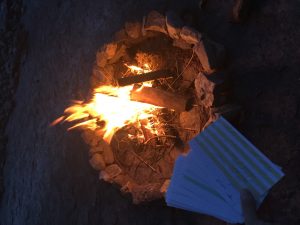
There are no ice flowers in July, but summer bonfires have a magic all its own. Last night, I brought the cards down to the beach and dropped them in the fire to send everyone’s wishes out over the lake, along with the Fourth of July fireworks. I read all of the cards again, too, and sent up some good thoughts along with the smoke. As Charlie learns in the story, there’s a fine line between wishes and prayers sometimes. 

 IMG_4140


More Than Seven Wishes: A Community Poem


I wish to see a fairy,

To write books for a long time

And live forever.

I wish to enjoy a life of excitement and joy.


I wish my dog Penny would chill the *bleep* out, though I will keep loving her regardless and I’m not holding my breath.

I wish Kate would finally get invited into a secret society (and then invite me in, too!)

I wish for a book and a nook to read and hide and never be found.

And that every family would experience the magic of reading books together.

I wish I could get the story of the missing suitcase that is in my head out and on paper.

I wish for my own books on these shelves.

I wish for stories that make their way out into the world.


I wish everyone could stay healthy.

I wish I weren’t sick.

I wish that Larry is well enough to attend Sam’s wedding,

That everyone in the world had the basic things that they need…

That every school had a garden where kids could grow and eat their lunches,

And every child in the world could own a book that inspires them.

I wish for all kids to have access to books,

For people to be less scared to face the things that scare them, especially if it’s knowledge.


I wish the world’s way of life was just a bit more simple because there is so much I don’t understand.

I wish humans had the sense when to stop so our beautiful planet could remain grand.

I wish for bottomless kindness.

I wish intolerance no longer invaded our world.

I wish I could go into someone’s body and see the world from their eyes.

So we could see how we are more the same than different,


I wish that people could stop, breathe, think, slow down, and respect one another’s differences,

That we could see behind each other’s masks to know the good, the fears, the hurt so that empathy grows in our hearts naturally.

That my two daughters will grow up in a world that is tolerant and accepting,


I wish, and I pray, and I will work for an end to gun violence.

That we had gun control so that people couldn’t create the mass sadness of a mass shooting.

I wish (and wish and with and wish) that love would win, that if I turned off the news those things would not have happened.

I wish for stronger gun control laws

That US Congress would have the guts to pass them.


I wish anger, fear, and suffering may be eased in every heart.

For flittering faeries and talking genie fish to appear in Walden Pond. Or the Charles River. Or in Provincetown. Especially Provincetown.


I wish everyone would learn not to be greedy.

I wish we could all show our kindness to each other more often.

(Also, no poison ivy, please. But if we can only do one, let’s go with the first.)

I wish the world to be easier for my kids than it is for me.


I wish love was stronger than hate and all people shared it more freely,

That more people would treasure compassion and laughter.

That people had the sense to know what’s bad and how to avoid and to know what is good and works for them,

I wish there was world peace.

I will stand up for what I believe.


I wish for each of us to feel so important the world would stop turning if just one gave up,

For tolerance to be rooted in joy and shared with every breath.


I wish…

I wish…

I wish.


~by Karina Lazorchak, Madelyn R, Peggy Hawkins, Carole Lindstrom, Marcie Atkins, Makenna Atkins, Leah, Miles, Michelle Ardillo, April, Ivan Shellenbarger, Erica S. Perl, Lezlie Evans, Seta Davidian, Nairi P. Naomi H, Jason Lewis, Lesley, Audey Day-Williams, Wendy Leiserson, Heather Lang, Amy, Mary Horrocks, Abby Reed, Sarah Grace Tuttle, Nancy Werlin, Erin Dionne, Robin G, Shannon Melideo, Julie Gray, and a pile of wonderful, anonymous poets, too.

Thank you so much for sharing your wishes. I hope they all come true. 

IMG_4156

Remember Who We Serve: Finding solutions, moving forward, and some food for thought

The Seventh WishI’ve been having an open conversation with an elementary librarian who emailed the week THE SEVENTH WISH came out to let me know that she had placed the book on her order list but removed it when she found out what it was about.

THE SEVENTH WISH earned a starred review from Kirkus, which called it “Hopeful, empathetic, and unusually enlightening.” The book is about lots of things – Irish dancing, ice fishing, magic, entomophagy, flour babies, and friendship. It’s also about the shattering effect our country’s opioid epidemic has on families.

 In response to that librarian’s original email, I wrote a blog post called “Remember Who We Serve: Some Thoughts on Book Selection and Omission,” which you can read here.  We’ve been talking back and forth since then via email and have shared much of our conversation at the link above. We have fundamental disagreements about what kinds of books belong in an elementary school library, but we’ve been voicing those respectfully, listening to one another, and trying to see if we might find some common ground. Along those lines, I asked for help from other K-5 librarians who do manage to offer a more diverse selection of books. How do they meet the needs of older readers and provide access to books that kids need without facing challenges from the parents of younger readers?

Many agree that the answer lies in education – explaining to parents that a library serves a wide range of readers, and while every parent has a right to guide their own children’s reading, none have the right to make those decisions for anyone else’s child. Teaching children how to select books for themselves is also key – advising them about how to choose an appropriate book and how to bring that book back if it turns out not to be the “just right” book they hoped it might be, so that they can choose something else.  Here’s a sampling of responses from teachers and librarians:


I have a letter that parents sign explaining that I am an avid reader and have a large and diverse classroom library. I suggest that they talk with their student often about what books they are reading. I don’t view it as a permission slip, more as an acknowledgment of awareness. 

-Kathryn Hoffman-Thompson


 I teach 6th grade. I simply say at Open House that the school library and my personal library contain a great many topics and reading levels, including mature or controversial topics. Please monitor your child’s reading choices and have discussions about topics that may concern you. I’ve never had a problem with this policy (so far).

-Nora Hill MacFarlane

(Note from Kate: I did something very similar to this when I taught middle school, and you can find that letter to parents here. Feel free to use it and adapt it to meet your needs.)


My grade 5 /6 library had some materials that were appropriate for students in grades 3-5 and some materials were appropriate for 6-8. I took great pains to let students know they had the right to read anything I had in our library, but that they should also consider what their families would allow them to read as well. 

Kathy Durham Aurigemma


I’ve had one parent question (about ROLLER GIRL). I was honest and said there are many things that their child will see and read after their time with me. They accepted my answer and I said that children have a natural inclination to self-censor themselves (which their 3rd grader did when she decided the book was too old for her. We then worked to find the right book for her 🙂

Your new book (The Seventh Wish) is on my shelf. And I have had two 4th graders reach for it. Neither had a complaint. One read it. The other self-censored and didn’t. She simply said with empathy, “I started to read it but my life isn’t the same so I’m bringing it back.” And that was it.

Lisa Berner


I teach a 4/5 blend with a reading range of 1st/2nd grade up to high school. At the beginning of the year, when I’m introducing the classroom library of over 1000 books and how to take care of it, we spend a fair amount of time talking about the whole “different rules at different houses” thing. I tell many personal stories in the classroom as both a way to teach and a way to connect with my students. 

During these talks and the library introduction, we discuss how to take care of books and what to do if students come across a book they think is a problem for any reason. I am up front with students and their families that there are books in the library that have words in them not all parents/families might want their kids reading. I share my expectation that, if they are offended or upset by anything they read in a book, or if an adult at home is concerned about content or language, they can come talk to me privately or email or call me and voice their concerns – no hard feelings, no harm, no foul. 

In the last five years, I have had a total of (maybe) five conversations about the reading material. The first was Freak the Mighty by Rodman Philbrick. Most recently, a graphic novel about MLK that I didn’t preview and which contained some harsh language that was historically accurate, but wouldn’t be okay with many families. In this case, I was impressed with the way the family addressed it. They felt it was a non-issue BECAUSE it was historically accurate. 

I do also keep a shelf of “Mr. Kline’s Books,” which just require students to check out those books with me directly. These are books that are sometimes controversial at this level (The Hunger Games trilogy) and others that are meaningful in one way or another (autographed books, personal favorites that are hard-to-find, mentor texts that I use regularly).

Ultimately, I think it comes down to communication with both the students and their families. In K-1, the student connection may not be as easy to build, while kids learn more about what pushes the boundaries at home. However, open communication with home, perhaps even a survey asking if there is any specific material or content they would object to, would be a great way to start out the year.

Jason Kline


Jason’s thought about “material or content parents would object” to is a great one to lead us into the next part of the conversation. Should some books in an elementary school library have access that is limited to only certain grades? In certain cases – having a YA title like The Hunger Games available to 5th graders but not 2nd graders, for example – this seems to work well for some libraries. I know that when I taught 7th grade I carried a handful of books recommended for ages 14+, including Ellen Hopkins’ YA novels-in-verse, along with my professional books. Kids knew they were there and available, but when someone asked to check them out, I’d make sure the student knew that the books were meant for teen readers and dealt very frankly with difficult issues, and I’d ask the student two questions. First, “Does this sound like a book you’d like to read?” If the answer was yes, I’d ask, “Will your parents be okay with you reading it?” If the student said, yes, the book got signed out. If they said no or hesitated, I’d offer to send an email home to find out more. It worked out well. Those books were never challenged in my classroom library.

Here are some other educator’s thoughts on having a separate shelf for more mature readers:

 I kept a mature shelf in my classroom for my middle schoolers who were reading edgier YA. I also talked with parents about our library collection and the importance of access during parent meetings and conferences. If a book was off-level, I made sure to read it, so I could talk to students who were reading it and explain to questioning parents why the book was valuable.

Donalyn Miller


I have a mature readers sticker on books with heavier content that are recommended for 5th graders only. I’m thinking of some of the Holocaust and WW2 themed books including The Boy in the Wooden Box and Ashes by Kathryn Laskey. Crazy Lady by Jane Conley is another book with that sticker.  There aren’t many books that have these stickers, but they are a visible reminder for teachers and library staff to talk with the students before check out to make sure they are aware of the topic. It is especially helpful when we have high level readers in lower grades who want longer novels, but they may not be quite ready for these more mature themes. Communication with families and the use of these stickers has worked well for our school.

Tracy Lynn Scaglione


I feel like the issue is very different for school librarians than it is for teachers with classroom libraries. School librarians have much bigger collections and have to serve a wider school population. We don’t have the opportunity to know all of our parents, and we often have assistants and volunteers that check books out to kids and who might not always know if a book is appropriate for a certain age level when a kid comes up to the circulation desk. On the other hand, we have professional training in collection development and are (hopefully) protected by the school district’s collection development policy. In general, I think kids do self-censor themselves and tend to avoid books that they aren’t ready for, or turn them in once they figure it out. My biggest problem is usually 2-3 graders who have seen a movie like Hunger games and want the book. Also, it tends to be a thing with some 1-2 graders that they just want to check out the biggest book they can find! 😊I have a K-6 library and when I inherited it 4 yrs ago, I didn’t have Hunger Games, Maze Runner, or Divergent. These are really books most appropriate for middle schoolers and above, but I knew my 5-6 graders would want to read them. I created a 5-6 grade shelf for just a few books like that so I could have them In my collection. Mostly my criteria for those is just age appropriateness (sexual themes or violence being the major criteria, not social themes). I also have a rotating collection of books from the middle school that I bring in for the 6th graders throughout the year. The biggest benefit is that it increases circulation of the books when I put them on the 5-6 grade shelf since they are considered more mature! Also, if a younger kid comes in with a note from home I will let them take a 5-6 grade shelf book.

Rebecca Sofferman


I have a mature section, as well. I generally cultivate relationships with both students and their families, so if I think that their parent may have an objection to the material, I have the student go home and ask permission. I have only had a few parents deny their student access to some of my books. Generally, it is a concern about Harry Potter (magic) or topics that are too graphic (violence-they are worried that their student will have nightmares). Parents know their kids better than I do, so I completely respect their right to parent however they deem appropriate, but I am always very clear that I do not censor the books in my classroom. I read them, I learn from them, I share them, but I don’t censor them. They know that from day 1.

Susan MacKay-Logue


I teach 5/6 ELA to gifted students. I have a basket behind my desk labeled “Restricted” (borrowed from Harry Potter.) Students can browse the basket at any time but must get a parent permission slip signed granting permission to read books in basket. Form states book has “mature content and/or language.” There are about a dozen books in this basket. They either contain mild sexual content or a lot of strong cuss words. Of course parents can call me to discuss content, but none of them have. I just finished The Seventh Wish. Looking forward to sharing with my students. Might use as read aloud with my 6th graders. It will not go in restricted basket, but will be available to all. 

Jennie Bergen Albrecht


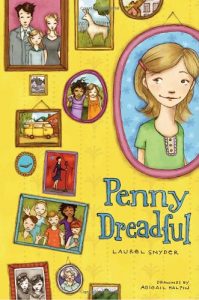
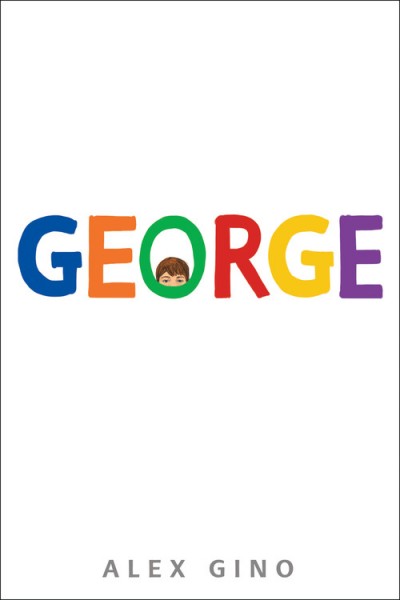
Jennie brings up an important distinction between books recommended for older readers (The Hunger Games, etc.) and books written for upper elementary audiences, like THE SEVENTH WISH. My personal concern about having a “restricted” shelf that includes age-appropriate but potentially controversial books is that it can serve to marginalize the kids whose families are represented in those stories. Some of the books I’ve heard about being quietly censored (NOT by the people quoted above)  include Laurel Snyder’s PENNY DREADFUL, a wonderful, funny, magical story in which one character happens to have two moms; Alex Gino’s GEORGE, a gentle, age-appropriate story about a transgender fourth grader; and Alex London’s book in the 39 CLUES series, MISSION HINDENBURG, which includes a gay character.

penny

I wondered how these authors would feel, knowing that some librarians chose to put their books on a shelf where only some readers had access, so I reached out to ask. Here’s an excerpt from our conversation, shared with everyone’s permission:

Laurel Snyder:

I think that this kind of categorization is problematic because it tends to be so inexact. Not unlike Lexile numbers, you’ll find that the “mature” books don’t appeal to the older readers in so many cases. Penny Dreadful is a prime example of this. Because there happens to be a lesbian couple in the book, it gets shelved for “older readers.” But it’s a soft summery book about a girl moving to a new town, and trying to make friends, while *maybe* believing in magic wishing wells. It’s so totally a good book for an advanced younger reader. NOT a book for the kid who has already read Hunger Games.

Alex London:

When the mere existence of LGBT characters in books that would otherwise be in a collection makes those books “controversial” the message that sends to a young person is that the existence of LGBT people is controversial. The message this sends is that their cousins or uncles or moms or dads or brothers or sisters merely existing is controversial, or that their own existence, just as they are starting to realize it themselves, is controversial. And for an LGBT child, this message from an adult, from their school, is devastating. This is their community telling them they don’t deserve to exist, that at best, they should be kept away from normal people. That they are somehow wrong to even be. Shunning books where LGBT people exist from a community, shuns LGBT people from the community and this leads to bullying, this leads to suicide and to hate crimes. Saying these books do not belong says to LGBT children loud and clear that they do not belong. That isn’t library selection policy. That is child abuse. I repeat because I mean it and I did not misspeak: Homophobia, in word or deed or policy, is child abuse.

Laurel Snyder:

Yes, exactly. It’s NOT controversial. It’s like saying, “We’re going to put the books with Jews on the top shelf. Our families find Jews and Muslims confusing, and we prefer to leave it to parents to introduce those topics if they choose, so we’ll have a book ghetto on the top shelf here, and if kids want to read about Jews and Muslims, they can bring a letter from home.”

Alex London:

 I don’t think these librarians want to harm children but the signals they send when they make LGBT children “controversial” harms children in real and devastating ways.

Laurel Snyder:

Sex is sex. Not wanting SEX in the library is one thing. But not wanting to include a variety of family dynamics?

I get that they don’t want a third grader reading an adult book, maybe. Or a violent YA novel. This is why we suggest age ranges for books (though I don’t think they’re very imperfect). But to set apart an age-appropriate book… no. That bothers me.

Because there ARE gay kids in the school, and there ARE kids with gay parents in the school, and there ARE gay teachers in the school, and this is cruel to them.

Corey Ann Haydu:

My book (Rules for Stealing Stars) been challenged because of alcoholism, so I’ll speak to that since the voices speaking her on LGBTQIA challenges have been so excellent and made me think, too. With addiction books, I think there is a similar damage in placing them on shelves that are “other.” I want books that deal with addiction to be on the same shelves as books that deal with cancer. If a librarian wants ALL illness books in a separate area, It wouldn’t be my ideal, but it wouldn’t single out addiction as BAD, so I think I could live with that, if it’s the only way the book will be in the library at all. The work of recovery from addiction has so, so much to do with denial and shame, and that a library would add to that by singling out a book about that disease as different than any other disease is exactly why the issues are shame and denial and addiction are not getting solved still. I’m frustrated, and as the child of an alcoholic, personally hurt by adults who aren’t letting the thinking around addiction evolve. I really believe if we start treating addiction as a disease like cancer, and teaching that at a young age, we could see real change. If librarians are concerned with protecting children it is SO much safer to have a child feel they can speak up about their parent’s addiction and its effect on their lives. What’s not safe is kids struggling with HUGE issues as home being able to hide their truth and carry that burden all alone. Opening up conversation around things we find uncomfortable is how growth and acceptance happen. I would happily talk to any librarian about why a book with addiction should be shelved with all other books about illness.

Laurel Snyder:

This is so thoughtful. And makes so much sense. And really does highlight how much this isn’t an issue of what kids find scary, but what adults have decided kids should be protected from. Some kids are scared of snakes, but nobody would take out the snake books. Meanwhile, NO kid is scared of gay families. NONE. I’ve never met one. That’s just for parents.

Alex Gino:

It’s not my call whether she puts it on the shelf. It’s theirs. But I want them to know that I’m hurt and offended, and that more than that, they’re hurting their students. In the case of my book GEORGE, it’s a traditional middle grade story with no sex or violence. the only reason to withhold it is fear.

Laurel Snyder:

I once had a librarian tell me she didn’t share my books because she preferred to think that kids could experience divorce without it being painful. I think, even when topics ARE “painful” they should be available to everyone.

Alex Gino:

Kids who don’t have models for how to experience pain are less equipped for their own lives and then they can feel alone in it, ashamed of it. when of course pain is part of life.


I found this conversation to be an important one and think it’s worth thinking about what books, if any, we choose to share with only older readers in an elementary school library. In some cases where the book in question was truly written for older readers, it seems to me like a good solution. But in other cases, with books like THE SEVENTH WISH, GEORGE, 39 CLUES, RULES FOR STEALING STARS, and PENNY DREADFUL, it’s a little different. Those books are recommended for elementary readers by industry standard bearers like Kirkus, Publishers Weekly, Booklist, and School Library Journal. And in these cases, I think a librarian needs to take a hard look at why those books are being censored or restricted. In some situations, I fear, keeping those books from kids is directly feeding fear and bias. Many schools teach empathy, and that’s wonderful. But if you teach kids about treating all people with respect and fairness and kindness, and then fail to live that teaching in your own book selection policies, that’s problematic.

My only two truly significant book challenges in fifteen years of teaching middle school were to books about marginalized groups. One was the anthology AM I BLUE, which is a collection of stories about LGBT kids or kids with LGBT family members or friends. I’d shared Bruce Coville’s short story “Am I Blue,” which is wonderful, warm, funny story about a kid getting picked on because people think he might be gay. He’s not sure, and this story uses magical realism to take a gentle look at that process of questioning and at people’s biases. I loved it. The kids loved it. And a few wanted to check out the whole short story collection. One of the students who did that is a boy I thought might be asking those same questions about himself. His mother came in, furious that the book was included in my classroom library,  and I ended up in the principal’s office to defend it. The challenge ended the way most challenges did at my school. I told the parent,  “I’m sorry that your son brought home a book you felt was inappropriate. All you need to do is return it, and we’ll help him find something that you feel is more suitable.” The book stayed in my library, but I was so sad for that kid whose parents clearly disapproved of him even asking questions about who he might be. I so hoped he’d find other books to answer them. I should also add that the book in question was taken from my classroom library without being signed out, not long after that. I have no idea who took it, and I don’t care. Books disappear a lot in classroom libraries, and in my room, it happened most often to books with LGBT characters. I cheerfully replaced those books every time, knowing that they were in the hands of kids who needed them more than I needed the eight dollars it took to buy a new one.

My other book challenge was to the novel ROLL OF THUNDER, HEAR MY CRY by Mildred Taylor, which is about racism in America during the Great Depression and won the Newbery Medal. A parent objected to me sharing this book aloud with my classes. I was confused. She came in for a conference so we could talk about it, but no matter how many questions I asked, I couldn’t understand her objections. Finally, as we both grew more frustrated, she said, “I don’t see why the kids should have to read about THOSE people.”

I was speechless for a moment. When I recovered, I said, “I feel like it’s important to share all kinds of stories with students because that’s how we learn and develop empathy for one another. It’s how we fight racism and other kinds of injustice. If you have further complaints about this book, you’ll need to share them with the administration along with the specific reasons for your objections.”  She opted not to pursue the book challenge.

This didn’t happen in the 1950s or 60s. It happened in the late 90s in Upstate New York. And it begs this question: if you’re willing to censor books about certain kinds of people because of community biases, are you willing to accommodate everyone’s objections to every book?  What happens when a parent objects to books with an LGBT character? What would happen if a parent objected to a book with characters who are black or Latino or Jewish or Muslim? I was attacked by a guy on Twitter a few years ago for recommending Hena Khan’s beautiful picture book GOLDEN DOMES AND SILVER LANTERNS: A MUSLIM BOOK OF COLORS. He was furious because I dared suggest that it was all right for children to read this lovely, gentle book about an Islamic family.

Discriminating against entire groups of people is never okay. Even when your particular community seems to find some kinds of discrimination more acceptable then others.

Someone else – and I can’t find the exact quote or source right now – made a comment on one of my posts this week that said, “Librarianship is not for the faint of heart.” I think that’s true. But there are many, many resources available to help librarian and teachers who wish to provide kids with access to books. Austin Dacey from the National Coalition Against Censorship provided me with these resources to share:

American Library Association guidelines, which encompass selection of classroom and library materials: http://www.ala.org/bbooks/challengedmaterials/preparation/workbook-selection-policy-writing

The National Council of Teachers of English guidelines for selection in the context of English Language Arts programs
http://www.ncte.org/positions/statements/censorshipprofguide

For more in-depth reading, the ALA Policy Manual:
http://www.ala.org/aboutala/governance/policymanual/updatedpolicymanual/tableofcontents

Also relevant, ALA statement on “diversity in collection development”:
http://www.ala.org/Template.cfm?Section=interpretations&Template=/ContentManagement/ContentDisplay.cfm&ContentID=8530

Many, many thanks to all who have been involved in this conversation. It’s an important one to have – and to keep having – to make sure we’re really serving all of the kids in our care and providing access to the books they want to read as well as the books they need in order to live.

An Important Conversation about Elementary Library Book Selection & Omission

The Seventh WishEarlier this week, I wrote a blog post called “Remember Who We Serve: Some Thoughts on Book Selection and Omission,” which you can read here. I explained that after I was disinvited from a school visit in Vermont last week, another librarian from a different state contacted me to let me know that she loved my books but had removed THE SEVENTH WISH from her library’s order list because of its content.

THE SEVENTH WISH earned a starred review from Kirkus, which called it “Hopeful, empathetic, and unusually enlightening.” The book is about lots of things – Irish dancing, ice fishing, magic, entomophagy, flour babies, and friendship. It’s also about the shattering effect our country’s opioid epidemic has on families.

That librarian who removed the book from her order list responded to my blog post with a comment that made it clear she was upset, so I emailed and asked if she’d be open to talking more about this issue. She said yes, and we had a great phone conversation this past Saturday. I learned that she does indeed see the other side of the argument as well, but she still thinks kids’ innocence should be preserved longer by limiting access to some topics. She’s also under pressure from parents in her community to limit the kinds of books in her library.  The bottom line is, she feels like she can’t give elementary students access to a book like THE SEVENTH WISH without risking her job.

I’ve been thinking a lot about how we can all do a better job supporting librarians and teachers who want to provide kids more access to books but are worried about pushback, so I proposed that this librarian and I start a conversation and invite others to participate in that discussion, too. She and I have profound disagreements about what kinds of books belong in a K-5 library, but that doesn’t mean that we shouldn’t be able to disagree respectfully, listen to one another, and try to brainstorm solutions. We’ve been doing that for a few days now, writing back and forth via email, with the understanding that she remain anonymous. She’s worried about repercussions from her school for speaking out, and about personal attacks due to her views. I’m honoring that wish so that we’re able to share that conversation with you. So as you read the conversation, know that K is me, and L is the librarian with whom I’ve been sharing ideas this week. It’s a long conversation, but I wanted to share it all in a single blog post so that people who read it aren’t just getting bits and pieces. Here’s what we’ve been talking about… 

K: First of all, thanks for agreeing to have this open conversation. I’m a little nervous but also excited to be talking openly about our disagreements about elementary libraries, book selection, and access for students. I know that many K-5 librarians carry a wide range of books that we might consider “older” titles, mostly appropriate for 4th and 5th graders, while others, like you, are a lot more cautious out of concern that a very young student might bring home a book that’s meant for the older elementary readers. I know that you haven’t read THE SEVENTH WISH just yet (and I’m still hoping that will make a difference) but I know from your earlier email that you removed it from your library’s book order list when you learned that one of its themes was the effect our country’s heroin epidemic has on families, especially younger siblings. Could you talk a little about your immediate reaction to learning that and why it made you re-think your book order, even though my other books are popular in your library? 

L:  Thank you Kate for starting this discussion. I think it’s important for people to read and respect both sides of the issue, and I am very open to hearing what other educators have to say. As a parent of young children, I admit I am having a lot of trouble separating my personal and professional opinion on this one.

As I was reading about The Seventh Wish I noticed that it is marketed as a middle grade book. Where I live, middle grade is 6th – 8th. I will be the first one to donate a copy to our middle school library, but where I keep getting stuck is pushing a middle grade book into an elementary school library. Ranger in Time was the best seller at our most recent book fair so that gives you an idea of where my students are as far as their reading level both academically and emotionally. 

During our discussion, you mentioned one of her fears was that not having your new book on the shelf would be the same as saying that the life of a child with addiction in their family is inappropriate. I completely disagree. I don’t feel that way in the slightest. My heart breaks for children struggling with addiction in any way but my feelings are simply leaning in favor of keeping our youngest students (without this struggle) from growing up too quickly. How do I get the book to students who need it while protecting other kids who might suffer from reading it?

I have been teaching for almost 20 years, and I have had the privilege of teaching different levels. This has been wonderful for me as an educator as I’ve been able to see all ages and levels and get a fairly decent idea of how children at all age ranges react to and handle a variety of topics. Something that has always amazed me is the huge difference between fourth grade and sixth grade. The changes within those two years are incredible. The growth and maturity that take place really turns them into totally different students. As their bodies change, so do their minds about the opposite sex. Girls are no longer icky and most of the boys grow taller than me! It’s really fun to watch them change and mature. It’s also much easier to have well thought out conversations about really important topics. I find that in fourth grade conversations about tough topics need to begin, but I personally feel like there needs to be a line. I can control my ten-year-old and I can control what happens in my house, but I can’t speak for every parent out there.

Let me start by describing that usually happens in the school library vs. the public library. When I take my son to the public library, I’ll bring him there to look around and when we go to check out, I look and see what books he’s bringing home before he starts to read them. When he gets a book from the school library, he usually starts reading it before I even see it. The same goes for where I work. Students get their books and most start reading it right way before class is even over. Most often,  a book with mature content doesn’t even make it past the eyes of their parents first, if at all.  Years ago I let an older student check out Twilight and I had a parent incredibly angry at me because she had told her daughter she didn’t want her to read it. How was I supposed to know? That was between her and her daughter but of course that led to a bigger discussion about having something like that on the shelf.

Also, let’s not forget that all it takes is one parent to get angry enough to get my job taken away. I don’t know that any book takes precedence over a career I love and a job I need. So that is one part of my fear here. Students are checking out books with mine being the only supervision, and I can’t possibly know every parents wishes and concerns. That’s why I try to have something that just about any child could pick up off the shelf and the content would be O.K.  Every once in a while a second-grader will sneak by me with a book where I think the reading level is too difficult but luckily the content is still benign. It is my ultimate responsibility to balance student wishes and parent concerns. 

One of the biggest concerns throughout our fourth and fifth grade population is extreme anxiety. Disorders such as panic attacks, anxiety and even depression are on the rise for our youngest students, and I feel like it’s only gotten worse as the years go on. These students represent a much greater population in my area than those affected by drug abuse. I don’t know if it’s more technology or more television or what, but so many of our students’ greatest problems revolve around constant worries. Having a fourth-grade child puts me in direct contact with many other fourth-grade moms and we have the same discussions over and over. Why are our children up at night crying and worrying about things matter how safe we try to keep them? They worry about getting in trouble, things on the news, something happening to their loved ones, not making the team, or someone being mean to them. My own son’s list of fears always amazes me. He was reading Stuart Gibbs’ Spaced Out the other day and had to stop because he got scared of a giant robot arm on the moon. I have friends whose kids can’t watch the Avengers because it’s too scary, and I also know several children who read The Hunger Games without their parents’ knowledge and cried with nightmares for several days. My closest friend had to stop buying I Survived books for her son because he became terrified that a natural disaster was going to hit at any minute. Who am I to say what will or won’t upset someone’s child? It’s a huge burden that I take very seriously. A fourth grader is very fragile and their minds are just starting to open to the scary things in the world. They don’t quite have the maturity to know how to process it and deal with it. Thankfully I don’t live in a community where young kids are put in dangerous situations on a daily basis.

I know there are many places where this is different and perhaps that would change my thoughts dramatically. Drugs are a very scary thing and 4th and 5th grade is the point they should absolutely start to learn the dangers and saying no, but this is where the conversation should just begin to start. Our D.A.R.E. program starts in 5th grade led by a team of educated officers armed with the training and resources to thoughtfully present material and answer questions. Parents should continue the conversation if they feel it is right for their child. I don’t think that most fourth-graders, at least in my community, are ready to hear about heroin addiction and overdose on their own through a fiction book without parent guidance.

Why add one more fear to his or her brain that isn’t there? For what purpose? Yesterday you spoke about a student learning empathy for a child who is going through drug addiction and their family. Of course that would be extremely important, but what if it’s not something that is happening in their life right now?  If there was an overdose death in the community that affected our children then I think The Seventh Wish should be pulled out immediately, and I’m thankful it’s there. I guess I keep getting stuck on the idea of putting a new fear in an already fear-filled brain. What age is O.K? 10, 9, 8 years old?   

Yesterday, after my discussion with you, I carefully opened this topic with my son. We’ve talked about drugs before and peer pressure and the dangers, but we haven’t delved into heavy specifics. We were driving to the store and he asked me why I have been on my computer so much. I told him about what was going on with your book, and we started to have a little bit of a conversation about the dangers of drugs. He said, “I know drugs are bad. I would never do that. I don’t want to talk about it. I just want to get home so I can play in the sprinkler with Max” (his brother). I wondered if maybe I should have him read this book but then I have to ask, why? He just wants to play in the sprinkler with his brother. He doesn’t know anyone addicted to drugs and that’s luckily not part of his life for now.  Why do I want to give him something to fear? I know the types is questions I will get- Why are people doing drugs? What is heroin? Where do you get it? What does it look like? How does somebody die? What happens to their bodies? Could I take drugs by accident? What if someone makes me do it?  I’d be fueling anxiety for weeks. One thing we have certainly learned about a 10-year-old is that when you tell them something and you think they’re fine, the minute they are alone their brains work it out over and over again and they think about it, they analyze it, and they pick it apart trying to understand it.

I also shared your blog with several of my friends, some elementary school teachers, and parents on the baseball field yesterday. They all vehemently agreed with me that while a book like that would be important, they would not want it in the elementary school library. Parents want to feel like they can send their child to school and they will come home with something safe. Again this is the predominant thought in my community, and I am well aware it would be different for other towns. I’m not a book burner, I’m not an extreme conservative and I don’t support banning books at appropriate age levels. If a child wants to read about heroin with their parent’s permission then that’s completely fine with me. If that’s what their family wants to discuss then they should buy all means do it, but when it is my responsibility to assure parents that what I have on my shelves will keep their 10-year-old as anxiety free as I can, then these are the kinds of decisions I need to make.

I’ve read some of the comments on the blog where people are crying censorship and that I don’t know what I’m talking about. Maybe there are some liberal communities out there that totally embrace telling their children every possible bad thing that could happen to them in their life, but once that innocence bubble is popped they can never unlearn those things or remove those images. I want some more hours of sprinklers, mud pies, and running around with light sabers. I know that it is a privilege that my son can have that kind of life, and I am well aware that there are communities where children are desperate for a book about finding their way through family addiction. This book would be a tremendous comfort for them and their friends.  Ultimately I think it’s each librarian’s prerogative to look at the demographic and what their greatest community need might be.  I just don’t see it here. While I’m certain there are families dealing with drugs, I believe that to be a very small minority in my particular town compared to the children suffering from anxiety. The students of my district and my own kids will have access to this book for sure in sixth grade. Can’t we let the fourth and fifth graders be free just a little longer?

K: I appreciate your willingness to engage in this conversation so thoughtfully. I feel like I addressed my thoughts on a lot of this in my earlier blog post that prompted this conversation, “Remember Who We Serve: Thoughts on book selection and omission,” so I’ll link to that for anyone who hasn’t seen it and just add a few more thoughts and questions to our conversation here. 

I think there’s a vast difference between a middle grade novel like THE SEVENTH WISH, which industry reviews like Kirkus and SLJ recommend for grades four and up and a book intended for teens, like THE HUNGER GAMES. But the books we’re talking about are intended for upper elementary readers. Even though they tackle tough subject matter, they do it in an age appropriate way.

I understand your concerns about kids and anxiety but wonder how you handle other scary topics in your school library. 

Do you carry the I Survived books, for example, since they are intended for your age group but can be scary for kids who worry about natural disasters?

Do you have any sad novels that deal with the death of a parent or other loved one? What about books where a family member has heart disease or cancer? 

I’m also curious how your library deals with books on other topics that can be controversial in some communities. Alex Gino’s award winning middle grade novel GEORGE, for example, is left out of some school libraries because it’s about a transgender fourth grader. What did you decide about that title in your school? 

Mostly, I’m wondering where you think we should draw that line. Is it our job as librarians and educators to protect kids from any books and ideas that might upset them? It seems to me that if we removed every potentially anxiety provoking book from the library, we’d be left with a mighty small collection that neglected the needs of many readers. 

I found your reflection on the privilege of having a protected community to be a thoughtful one.  “I know that it is a privilege that my son can have that kind of life, and I am well aware that there are communities where children are desperate for a book about finding their way through family addiction.” I agree with you on this, but I’d bet that even in your safe-feeling community, there are kids struggling and wondering and looking for a sign that they’re not alone. Those may very well not be the kids whose parents you were able to talk with on the baseball field or in the faculty room. They’re also kids who can’t always get to a public library with a family member. When I taught middle school, I know that for most of my students – more than half – the only books they encountered were the books our school librarian and I put in their hands and recommended. 

And this question… “Can’t we let the fourth and fifth graders be free just a little longer?” For me…as a parent, the answer to this question is absolutely yes. But as librarians, as teachers, as educators charged with providing access to books for all the kids – not just our own – I feel like our responsibilities are different. How can we better balance those two concerns – respecting parents’ rights to choose books for their own kids and making sure all our students have access to the books they want to read and the books they need? 

L:   The funny thing about this debate is that I agree with so many of your points. How do we responsibly choose books that will educate our students and add to the quality of their lives? I wish I had a perfect answer. This is something I struggle with every year. I think when I was younger, before I had my own kids and when I was willing to take on the world, I would have allowed almost anything of value into my classroom. Now, after years of teaching experience, multiple parent conversations, and becoming a mom myself, I’m just more cautious. These days I think about the parents and kids I serve, follow my instincts (right or wrong), and try to choose books that will help more than harm. I weigh the potential backlash of each book and when a book’s topic is something that I am struggling with putting out there, then I know it’s not right for my library.

I wish I had a more formulaic approach that it being simply a feeling that I have. But you are right- who assigned me judge and jury? Why is my opinion right or wrong? You write about it being our responsibility as educators to expose them to a broad range of topics. I disagree. On my first day of my first education class, the professor had written “In Loco Parentis” on the board. It was the first thing he taught us wide-eyed newbies. This Latin term means “in place of the parents” and in my classroom I try my best to take on the responsibility of parents in their absence. Do I often take the “better safe than sorry” approach? You betcha- just like I hope my kids’ teachers do. Also when I taught middle school these decisions didn’t weigh on me as heavily as they do with the younger grades.

You are spot on that we can’t possible remove every book with anxiety inducing topics. Death, cancer, autism, and divorce are all issues in books I have on my shelves. My star reader actually came to me one day a few weeks ago and asked if I had anything that “wasn’t so sad.” Since she was an advanced student, I realized I had been recommending many challenging (and sad) books. I felt terrible and directed her to DORK DIARIES. This poor child hadn’t laughed at a book in weeks and it was bothering her. So where do I draw the line? I suppose I try to determine if the material goes further than the MAJORITY might be emotionally ready for.  Does that exclude some children who could really use the book? Probably, but to help a few do I sacrifice many? I SURVIVED is a high interest series that boys, especially my reluctant readers, flock to. I know there are some students who find these books scary, but I think a discussion about something that happened in history might be more easily handled than heroin addiction.  I just hope that a child who might be scared by the first one they read won’t keep coming back for more in the series. I also know that more students are O.K. with these books than not O.K. 

I had a feeling you would ask me about GEORGE. When my son asked me last year what it meant to be gay I told him all about people having the right to love whomever they want. I even told him about the Supreme Court’s decision and reiterated that our family loves everyone no matter what their sexual orientation might be. He was fine with it and ran off to jump on the trampoline. Should I have called him back and said, “Now I would love for you to read GEORGE.”? He was great with the baby steps into the conversation of homosexuality and I didn’t feel a need to expand or confuse him. As he gets older and has more questions, I’ll put that book in his hands, but not now. I also know that if that book was displayed in his library he would have picked it up solely because the cover is appealing and he thinks George is a funny name. I’m glad they don’t have it there. I’m not ready for him to know more and if I’m not ready, the parents I work for certainly aren’t ready. Last year when DRAMA by Raina Telgemeir was all the rage, I caught students huddling in the corner and snickering at the part in the book where the boys reveals he likes other boys. It was very innocent and not mean spirited, but it was also a clear indicator that they are not emotionally ready for something delving deeper into the topic.

So again it comes down to what I can do to get these books into the hands of the right students and not the wrong ones. You are correct when you say that children in need of these books might not have access to the public library or parents willing to have thoughtful discussions.  Maybe I get the books and send out a notice to parents letting them know they are here if they need them. Perhaps I give a set to the guidance counselor who knows more than me who could be helped and leave it to her to decide who reads them.  Maybe I invite the author to talk to the parents about the book and let the parents decide. Am I taking away a teachable movement for other kids? Yes I am, but under the umbrella of “In Loco Parentis” is where I feel comfortable.

K: I understand your desire to parcel out information to your questioning son. We did that with both our kids when we started talking with them about things like sex – we’d answer the questions and offer more information as long as they seemed interested. When they left to play Legos or jump on the trampoline, we’d let it go and pick up the conversation another day. But I still feel like that’s a parenting issue rather than a school library one. You know your son. You don’t know every challenge or concern or question your students might be dealing with on any given day, even when you talk with a selection of their parents at your son’s baseball game. Not all the families are represented there. But I believe all of those kids should have the opportunity to see themselves in books in a school library – maybe especially kids whose lives are different from your son’s. 

The suicide rate for transgender youth is heartbreaking. 41% of transgender people will attempt suicide in their lives, compared to 4.6 per cent of the general population, according to this study from the American Foundation for Suicide Prevention and the Williams Institute. Kids struggling with this need to feel less alone, and their classmates need to have empathy. Books are such a valuable way to do that. Instead of thinking, “Oh, that transgender kid is so WEIRD!” when a classmate is struggling, a reader might think, “Oh! I know somebody like that, because I met Melissa, the main character from GEORGE.”   While I can’t back this up with a research study, I’d be willing to bet that children who have access to more diverse books are kinder and less likely to engage in bullying. 

Might this book be challenged or questioned by a parent? Maybe, depending on where you live. But sometimes, I think our fears over this are bigger than the reality. The Maine teachers who just read THE SEVENTH WISH aloud with all of their school’s 5th and 6th graders sent home a letter beforehand, explaining that the book was about a family affected by heroin addiction. Do you know how many concerned parents wrote back to complain about the topic? Not a single one. But even when those phone calls do come – and I know how difficult they can be – I’d argue that kids’ lives and kinder communities are worth the fight. 

After I read your latest email this morning, I revisited the American Library Association Code of Ethics. Here’s what your professional organization has to say:

—————————————

Since 1939, ALA has recognized the importance of codifying and making known to the public and the profession the ethical principles that guide librarians. The Code of Ethics will be seventy years old in 2009 and has evolved into a statement of eight principles that embody the ethical responsibilities of the profession. The Code was last revised in January 2008. 

The ALA Code of Ethics guides school librarians to:

  • Provide the highest level of service • Resist all efforts to censor library resources 
  • Respect intellectual property rights 
  • Treat coworkers with respect, fairness, and good faith
  • Distinguish between personal conviction and professional duties 
  • Not allow personal beliefs to interfere with provision of access to information

—————————————

I understand that this is all easier said than done when one lives in a more conservative community. But I do strongly believe there are kids at your school who would benefit from a wider selection of books, even as the parents of other kids would like to keep those books unavailable to their own readers. Where does that leave a librarian, given the responsibilities ALA outlines above? 

Do you know if your school district has an official selection policy for school libraries? Most do, and I know that many librarians use that as backup when they’re working to ensure kids have access to books. It can help a lot when one is facing challenges from parents or administrators. 

L: I will certainly look more thoroughly into official policies about book selection. You are correct though – I suppose my biggest struggle is separating myself and my son from the parents and children where I work. Every night I look at him and imagine my students because my home looks similar to others here in our suburban town. That being said, there are books I put out that I know he would find worrisome but I do it any way because I can’t and don’t always go by him. Maybe I’m too close to this age group. Perhaps the 30+ people I asked this weekend are too close to this age group and community, but I this is where I work and live. This is the demographic I serve. I am sure there are communities where your book isn’t being marketed because the need might not be as great.

You ask me “What about the one student whose life will change because of these books?” I cannot risk the emotional well begin of K-3rd graders and take the privilege of those discussions away from their parents. I am very open to finding ways to getting your book and its message to my students and families that want to start the discussion, but I don’t feel comfortable deciding it for them. The library is open to all students ages 5-11 and our books need to reflect and respect those ages. Perhaps I can suggest your book for our 5th grade classroom library where I know no other younger student will have open access to it. Maybe I need to take some formal surveys and speak to administration to clarify their position and I am totally willing to do that. I also want to be clear that no parent or administrator has ever asked me to remove or limit a book in my current school (I’ve had different experiences in the past). Everything I write in this discussion is my opinion and does not reflect any one else in my district. 

I am getting nervous to publish this conversation because what I am reading in the comments makes me sound like I am some unreasonable book banning conservative and I’m not. People are pulling out tiny excerpts from what I have written and painting me in a light I am not at all comfortable with. I am simply a teacher that looks at her entire population and makes the best decision I can in everyone’s best interest. Everything I put into this library could possibly be read by any K-5 student and I take that responsibility very seriously. When I read the comments on your blog today from the two moms who are grateful for my decisions then I feel validated. Your blog is going to contain your fans that most certainly agree with you. The majority of teachers and parents might agree with me but they aren’t going to be out there writing about it.

Again, I really want to clarify that your book should be out there for students to read. 100% it should be on the shelf in upper grades, but when my littlest ones who tear through RANGER IN TIME automatically go to the stacks for the new Messner, what do I do?  Do I let them take it without saying a word that it’s not going to be what they think? They will want it simply because you are the author without even bothering to read the back. Do I ask for a note from home to read the book with the cute goldfish on the cover? 

One of the comments on your blog  (it was pretty mean) asked who do I think I am to decide what kids should be exposed to. I agree- who am I to decide what kids should be exposed to? Who am I to tell a parent that I don’t care what they want their child to know? Should I say that I’m going to put out everything and if they don’t like it too bad? There MUST be room for taking into account what a parent wants for their child’s school library where they aren’t there to help make the decisions. They count on me to make good choices. That’s why I try to rely on my parental instincts, but I’m open to delving deeper into trying to find out exactly what my parents expect and want. 

Good luck on your book tour. I look forward to new ideas you gather about this conversation.

——————————–

That’s where we left our conversation, and we’d love it if you’d join us at this point. I suspect this librarian was correct in assuming that many of my blog readers agree with my passionate views on providing kids access to books. So for her, agreeing to a conversation here is a little like a Yankees fan agreeing to stand up and share ideas about their baseball team’s merit in the middle of a crowded Fenway Park. I’d love it if we could all keep that in mind. I would love for this conversation to continue in the spirited and passionate but also respectful tone that we’ve managed so far.

Most of all, I’d love to hear from other K-5 and K-6 librarians who might be able to help this librarian with her concerns. How do you manage these issues in your own library? How can she feel safer about putting books like THE SEVENTH WISH on library shelves so that readers who need them have access?

Please know that comments from first-time commenters have to be moderated before they appear. This feature is turned on because as a woman who shares opinions, I sometimes get random, hateful, misogynistic comments left on my educational blog posts, and I do not allow those comments to appear. I’m on book tour right now, so it may take a little while for your comment to be approved so that it appears, so please be patient with me. I promise I’ll check in whenever I can.

Finally, I’d appreciate it if comments left on this post are both respectful and productive. Feel free to disagree with both of us, but please do that without engaging in personal attacks. I’d love for this conversation to be one where both sides feel heard. More than anything else, I’d like to come up with some creative solutions that increase kids’ access to the books they need. I will be using some of the comments in a future blog post to continue this conversation. Thanks in advance for joining the conversation in that spirit.

The Seventh Wish Update: Some good news and a continuing conversation…

The Seventh WishToday, I received an email from South Burlington’s Chamberlin School principal Holly Rouelle, who told me that a decision has been made to carry THE SEVENTH WISH in her school library. She says the school never intended to censor the book, and that is great news in light of this week’s events.

In case you’re new to the story, my latest novel, THE SEVENTH WISH, is about a lot of things – Irish dancing, ice fishing, magic, entomophagy, flour babies, and friendship. It’s also about the effects of opioid addiction on families, especially younger siblings. On the day my book was released this week, I was disinvited from a school visit at Chamberlin on less than 24 hours notice. The librarian and principal told me they felt they hadn’t prepared their students well enough for that visit, given the sensitive subject matter, despite the fact that it was scheduled in January and a copy of the book was provided to them at that time. They also returned all of the copies of the book they’d purchased for the school library. You can read more about that situation in this post, and this one, about the heroic effects of the town’s public library and Phoenix Books to get books into the kids’ hands anyway.

So despite the cancelled visit, today’s email was very good news, and I’m pleased that the school has decided to make the book available to students and staff. I’m hoping I’ll still get to share my presentation with lots of Chamberlin readers at my rescheduled event at the Community Library, too, where there will be free books available for at least the first hundred kids who register. 

As I’ve mentioned before, I’m no stranger to Chamberlin School – I’ve visited before and done multiple free Skype visits with readers here – and I’ve found the people who work at Chamberlin to be energetic, kind, caring advocates for kids. I do not believe at this point that the school is engaging in censorship of my book.

That said, I do know that our conversations here and in social media have reached far beyond Vermont, and I hope those conversations will continue because the quiet censorship that happens in some schools and libraries affects kids’ access to books in very real ways every day.

Earlier this week, I wrote a blog post called “Remember Who We Serve: Some Thoughts on Book Selection and Omission,” which you can read here. I explained how another librarian from a different state contacted me after the Vermont incident to let me know that she loved my books but had removed THE SEVENTH WISH from her library’s order list because it’s about a family affected by our country’s opioid epidemic. She responded to the blog post with a comment, which I’m sharing here with her permission:

I am the librarian in question and I stand by what I wrote. The parents in my community trust me to stock the library with books that won’t cause their children with extreme anxiety. I think the public library should certainly carry this book and parents should go with their children to pick it out and read it together. In a school library, most students choose books without even showing their parents. What about the parent that will call me when their child is crying and scared because now they know something their parents didn’t want them exposed to?? I cannot be responsible for that. I would certainly recommend this book for a student that needs it, but I can’t put it out there on the shelf. What if an 8 year old checked it out? What would I say to their parents- “I’m sorry your child is confused and upset. You should talk to them about the dangers of drugs in between playing with My Little Pony.” I think people forget how young 10 years old really is. Why is there a constant push for them to be older and know everything? Even 12 years old is more emotionally stable and ready for these types of discussions. You can vilify me all you want to for my opinions but I know the parents of my students thank me.     

It was not my intent to vilify but to offer a different view of things. I honestly wanted to talk with her more after I saw this comment, so I emailed and asked if she’d be open to that. She said yes, and we had a good phone conversation this afternoon. I learned that she does indeed see the other side of the argument as well, but she still thinks kids’ innocence should be preserved longer by limiting access to some topics. She’s also under pressure from the parents in her community to limit the kinds of books in her library.  The bottom line is, she feels like she can’t give elementary students access to a book like THE SEVENTH WISH without risking her job.

I have a tremendous amount of empathy for librarians and teachers in situations like this. I taught middle school for fifteen years. I faced book challenges and angry parents, too. I remember the sick feeling I’d get in my stomach when I opened a parent email and found a complaint about a book in my classroom library. I was lucky to have supportive administrators. Not everyone does. 

I’ve been thinking a lot about how we can all do a better job supporting librarians and teachers who want to provide kids more access to books but are worried about pushback, so I proposed that this librarian and I start a conversation about this. We have some real disagreements about what kinds of books belong in a K-5 library, but that doesn’t mean that we shouldn’t be able to disagree respectfully, listen to one another, and try to brainstorm solutions. So we’re going to try that, and we’re inviting you to join the conversation, too. 

As many of you know, I’m on book tour this month and leaving for Maine in the morning, but in between school events and bookstore signings, I’m going to be talking with her via email. Once we’ve had a chance to share some ideas back and forth, I’ll post the conversation here on my blog, and we’d love to hear from other people who care about kids and books, especially from other teachers and librarians who have found ways to deal with the particular challenges that face elementary school libraries with regard to book selection and access when there’s a wide age range of students. I’m optimistic that we’ll be able to have a spirited, passionate, respectful, problem-solving conversation. And I hope you’ll join us. 

Remember Who We Serve: Some thoughts on book selection and omission

My newest novel, THE SEVENTH WISH, is about a lot of things – Irish dancing, ice fishing, magic, entomophagy, flour babies, and friendship. It’s also about the effects of opioid addiction on families, especially younger siblings. On the day my book was released this week, I was disinvited from a school visit in Vermont on less than 24 hours notice. The librarian and principal told me they felt they hadn’t prepared their students well enough for that visit, despite the fact that it was scheduled in January and a copy of the book was provided to them at that time. They also returned all of the copies of the book they’d purchased for the school library. You can read more about that situation in this post, and this one, about the heroic effects of the town’s public library and an independent bookstore to get books into the kids’ hands anyway.

I’ve gotten lots of messages of support about this from people who agree that we need to share books like this with kids. But I also got an email this morning from a school librarian in another state, who said she wanted to offer me a different perspective on THE SEVENTH WISH.  She wrote:

As a huge super fan of yours I did want to offer a new perspective of The Seventh Wish. It was on my book order list before I even read what it was about. However, after reading the description, I too sadly had to remove it.

She says I’m one of the favorite authors in her K-5 library. They have all of my other books, and they fly off the shelves. But this one won’t be added to the collection. She continued:

It’s not that I don’t think heroin addiction is extremely important. Our community has faced its share of heartbreaking stories in regards to drug abuse but fourth and fifth graders are still so innocent to the sad drug world. Even two years from now when they’re in sixth grade this book will be a wonderful and important read but as a mother of a fourth grader, I would never give him a book about heroin because he doesn’t even know what that is. I just don’t think that at 10 years old he needs to worry about that on top of all of the other things he already worries about… For now, I just need the 10 and 11-year-olds biggest worry to be about friendships, summer camps, and maybe their first pimple or two.

This breaks my heart. As a writer. As an educator. As a parent. As someone who loves kids. It breaks my heart because I know this feeling so well. Those are all the things I want 10 and 11 year olds to worry about, too. But I don’t get to choose what those kids’ lives are like. None of us do.

We don’t serve only our own children. We don’t serve the children of some imaginary land where they are protected from the headlines. We serve real children in the real world. A world where nine-year-olds are learning how to administer Naloxone in the hopes that they’ll be able to save a family member from dying of an overdose. And whether you teach in a poor inner city school or a wealthy suburb, that world includes families that are shattered by opioid addiction right now. Not talking about it doesn’t make it go away. It just makes those kids feel more alone.

When we choose books for school and classroom libraries, we need to remember who we serve. We serve the kids. All of them.

When we quietly censor books that deal with tough issues like heroin addiction or books like Alex Gino’s GEORGE, which is a wonderful story about a transgender fourth grader, we are hurting kids. Because no matter where we teach, we have students who are living these stories. When we say, “This book is inappropriate,” we’re telling those children, “Your situation…your family…your life is inappropriate.”  This is harmful. It directly hurts children. And that’s not what we do.

As Pernille Ripp pointed out so beautifully in this blog post, it is not our job to censor. It is not our job to keep books away from kids. It’s our job to make books available for the families who need them, to respect the rights of families to choose or not choose whatever books they want and need. But not to make those decisions for them without ever giving them a chance.

Instead of carefully erasing books that might be controversial, what if we did a better job educating our school families about what we do? When I taught middle school, I used to talk with families about why my classroom library was so diverse. I explained up front that it included titles they might not find appropriate for every single reader because my students were all wonderfully unique, with different lives and different needs. We talked about what that diverse book selection meant for families.

Kids, in general, do a fantastic job self-selecting books, and when they find they’ve picked up something they’re not ready for, they’re usually quick to put it down and ask for help choosing something else. As teachers and librarians, we’ll offer recommendations and steer kids toward books that are age-appropriate, and we encourage you to talk about books with your kids. We have multiple copies of many titles in our library.  Let us know if you’d like to check out two copies of a book so you can read together.  And if you find that your student has chosen a book that you think might not be the right book for him or her right now, talk about that, too.  

We respect your right to help your own child choose reading material, and we ask that you respect the rights of other parents to do the same.  If you object to your child reading a particular book, send it back to the library, and we’ll help your student find another selection.  We’ll put the first book back on the shelf because even though you don’t feel it’s the right book for your child right now, it may be the perfect book for someone else’s.

Teachers & librarians…please feel free to use any of this blog post about heading off book challenges if it’s helpful to you as you do your job.

And thank you so much for doing that job.  So many of you are fighting every single day to make sure kids have access to the books they want to read and the books they need to survive. Thank you for serving the kids. All of them.

Getting the books to the kids…

Yesterday, with less than 24 hours notice, I was disinvited from a Vermont school visit that had been planned since January. The reason? My book, THE SEVENTH WISH, deals with the effects of addiction on a younger sibling. I wrote about that here and have an update to share today. There’s more sad news but some happy news, too. 

This morning, when I stopped by Phoenix Books in Burlington, I learned that the school not only cancelled my visit but also returned all of the books it had ordered for the school library.

Every. Last. Copy.

So not only did those 4th and 5th graders not get the author visit they were promised. Now they won’t have access to the book at all. This is a school where some kids deal with addiction in their own families. I know from fifteen years of teaching that the right book can be a lifeline for kids in situations like that. The right book says, “It’s not your fault.”  It whispers, “You’re not alone. Be strong. It gets better.” I had so hoped The Seventh Wish would be that book for some kids. That’s why I wrote it. 

I had a wonderful time at my other school visits today, but I couldn’t stop thinking about the kids whose visit was cancelled. So I stopped by the Community Library in South Burlington, donated a copy of THE SEVENTH WISH, explained what had happened, and asked if the library might be willing to host me later this month so that families whose visit was cancelled could come. Children’s librarian Meg Paquette was wonderful. She whisked me into a back office, found a date for the event, and booked the space.

I’ll be speaking at the South Burlington Community Library on June 28th at 4pm. I know not all the kids will be able to make it, but I hope lots of them can come and hear the talk they missed today. I’ll be there with my writer’s notebooks, research notes, outlines, and messy, marked-up manuscript pages. We’ll play the word game Charlie’s family plays in the book. We’ll talk about fairy tale retellings and brainstorm some re-imaginings of Jack and the Beanstalk and Cinderella, too.

Bloomsbury is donating 20 copies of THE SEVENTH WISH to give away to readers at that event. That’s not enough to put a book into the hands of every reader who missed my author visit, but it’s a wonderful start.

Thanks to everyone who commented and offered support after reading my post yesterday. If you’d like to help get books into these kids’ hands, the Community Library has cheerfully offered to give copies away to kids at this event and beyond, as long as they last. Phoenix Books has offered to coordinate and get the books to the library. 

HOW TO DONATE A COPY OF THE SEVENTH WISH

Call Phoenix Books at 802.448.3350 to order over the phone. Let them know the book is a donation to South Burlington Community Library.

You can also order online here. Just write “South Burlington Library Donation” in the comments field when you order.

Or if you’d like to have a book sent from another bookseller, you can have it mailed directly to the library at this address:

Community Library

540 Dorset St.

South Burlington, VT 05403

Attn: Meg Paquette

Finally, thanks to everyone who has reached out over this. I’ve never found myself in the middle of a book challenge before, and it’s a sad, strange place to be. But I’m so, so grateful for the outpouring of support from writers, teachers, librarians, administrators, and readers. Thanks especially to Donna MacDonald and Sharon Hayes, the librarians who welcomed me to Orchard Elementary and C.P. Smith school with kind words and big hugs today, and to those school communities whose open minds and hearts are so very much appreciated. 

retellings

Thanks to everyone who’s been offering public words of support about this book and to everyone who sent me quiet private message about how important it is. Those notes talked about family members who are addicts. They talked about parents, brothers, sisters, cousins, college roommates, and best friends who overdosed. They talked about children lost to opioid addiction and children struggling with a family member’s addiction right now. It’s all so real, and so scary, but that’s why we need to keep talking about it.

It would be wonderful to live in a world where not talking about a thing made it vanish or took away all of its power. But we don’t live in that world. This epidemic is fueled by silence and shame. And keeping kids from stories about the effect of addiction on families only makes that stigma worse. So I’m going to keep talking and keep writing. I’m going to keep working to get books into kids’ hands, and I hope you will, too. 

~Kate


A blog post I never thought I’d be writing on book release day…

Judy Blume edited an anthology of writing by censored authors called PLACES I NEVER MEANT TO BE. It’s a great collection that I read years ago and hadn’t thought about in a while. But its title came crashing back to me today when I got an email from a school librarian disinviting me to her school tomorrow. This was one of my school visits for THE SEVENTH WISH book tour. It had been scheduled five months ago and was now cancelled on less then 24 hours notice.

The reason? One of my book’s themes is the impact drug addiction has on families.

This shouldn’t have come as a surprise to anyone at the school, since the email I sent way back in January, offering the author visit began like this:

The Seventh WishTHE SEVENTH WISH is a book that uses magic to explore something many families are afraid to talk about with kids – addiction. I was floored a few years ago when a neighborhood friend told me that her beautiful, smart, joyful daughter was hooked on heroin. She got help and survived, and she is thriving now, but I still struggle to understand how it happened. And when I struggle, when something really scares me, I write.

THE SEVENTH WISH begins on the day Charlie Brennan goes ice fishing on her town’s cold winter lake, hoping the perch she reels in will help pay for a fancy Irish dancing solo dress. But when Charlie’s first catch of the day offers her a wish in exchange for its freedom, her world turns upside down. Charlie catches the fish again and again, but each time, her wishes go hilariously wrong. Just when things are finally starting to turn around, a family crisis with her older sister forces Charlie to accept the fact that some of the toughest challenges in life can’t be fixed by wishing.

So I was shocked when I got an email this afternoon, disinviting me to the school I was supposed to be visiting tomorrow morning. The fourth and fifth graders have all been told I was coming. They’ve read the early chapters of THE SEVENTH WISH together in their classes. Book order forms went home to families, letting them know about the author visit.

But now, that visit isn’t going to happen. I was told today that the principal felt the book and my presentation about the writing process behind it would generate many questions that they would not be able to adequately answer and discuss. I called and asked the school to reconsider because I desperately didn’t want to disappoint all those kids. I explained how the topic was handled in a sensitive, age appropriate way. I told them about reviews like these:

From Kirkus (Starred review)

As Charlie processes the changes in her life, her perspective shifts. Friends of all ages, old and new, support her. And she finds outlets in ice fishing and Irish dance. Most affecting, Charlie begins to understand the serenity prayer. Hopeful, empathetic, and unusually enlightening.”

From Publishers Weekly

“As she did in All the Answers, Messner lightens a heavy theme with a bit of magic (this time the talking fish rather than a talking pencil) while humanizing a growing epidemic and helping readers understand that even “good people make awful mistakes.” 

From School Library Journal

“A charming fantasy story with threads of several deep themes that could serve as the basis for thoughtful discussion.”

 From 5th grade teacher Melissa Guerrette:

“Sometimes I get the chance to read books ahead of their publication date. Once in a while, I read something that I know with my whole heart will be important for kids…too important to wait to share. This year that book was The Seventh Wish. All of our fifth graders read this together. By next week, all our sixth graders will have, too. The bravery and honesty of Kate Messner’s writing has stretched our hearts to let in Charlie and Abby and resulted in more understanding and empathy about the realities of addiction.”

None of it mattered. The school decided they hadn’t had time to prepare kids for the visit, despite the fact that it was confirmed back in January and a letter about the book’s content had gone home to families.

So I won’t be allowed to talk with those kids tomorrow. We won’t get to brainstorm new fairy tale retellings together. They won’t get to see my writer’s notebook or my messy rough drafts, or marked-up revision pages. They won’t hear Charlie’s hopeful story, even though I know there would be kids in the room who could use that hope. There are kids like that in every class I visit. Stories about families like theirs let them know they’re not alone.

I understand that school administrators are afraid to talk about tough issues sometimes. Authors are, too. But we’re not protecting kids when we keep them from stories that shine a light in the darker corners of their lives. We’re just leaving them alone in the dark.

So families… If your school is the one where my visit was cancelled, I’m sorry. Please know that I wanted to come so much. The school was going to order copies of the book so it would be available in the library after my visit, but I don’t know if that’s still going to happen. I’m going to drop by the public library in South Burlington tomorrow, though, to donate a copy. If you want to read it, it will be there for you. I’m so sorry I can’t be.

~Kate

Updated 6/13: On Saturday, I received an email from South Burlington’s Chamberlin School principal Holly Rouelle, who told me that a decision has been made to carry THE SEVENTH WISH in her school library. She also sent home a note letting parents know about an upcoming event at the public library on June 28th.  In addition, I’ve offered to reschedule this free author-visit presentation in the fall and hope Chamberlin will take me up on that offer, once school is back in session and they’ve had a chance to prepare the students.