Congratulations! Today we’re wrapping up six weeks of writing with all of our Teachers Write colleagues, and whether you’ve been sharing daily or writing quietly and lurking, the fact that you took time – no, made time – to be a teacher of writing who writes is something to celebrate.
It’s been amazing to read your stories and explorations and reflections, and it’s been a joy to see this writing community blossom into an even stronger one. I hope you’ll keep and nourish those friendships and connections as you turn your attention to a new school year. Before you do, though, I want to answer a few questions that have been floating around.
Hey…I want to use one of our summer writing prompts in my classroom. Will it still be on the blog in October/January/March?
Yes! All of our Teachers Write posts live online, so if you bookmark a post to use with your students later on, you can be assured it will still be there when you go looking for it.
What happens with Teachers Write now? Do we keep writing during the school year?
Yes! You should most definitely keep writing, and you can always connect via our Teachers Write Facebook group. We don’t run Teachers Write as an official daily camp during the school year like we do for these summer weeks, but you can revisit any of the summer prompts at any time.
And this winter, you’ll have a great new tool for writing independently or starting your own teachers’ writing group in your schools and districts. 59 REASONS TO WRITE: MINI-LESSONS, PROMPTS, AND INSPIRATION FOR TEACHERS is my new book with Stenhouse – a collection of all the best writing lessons & prompts from our first two summers of Teachers Write.

I am so excited about this book – and really hopeful that those of you who have loved Teachers Write will use it to lead professional development in your own schools and districts, because teachers and librarians who write aren’t just mentors for their students. You have the power to change the culture of your schools and to create vibrant, supportive writing communities all over the world. I hope this book helps you do that. (And if it does, please come back here and tell us about it, okay?) 59 REASONS TO WRITE will be available by late November – I think I’ll be signing at NCTE, so if you’re there, please come say hi!
You’re still doing Teachers Write next summer, right?
Of course! We’ll be back in July of 2015. I think it would be great if you all launched writing groups in your own schools this year & then brought all your new pals back here to introduce us next summer. Do that, okay? 🙂
Hey…weren’t we supposed to buy some books to support the authors who organized & contributed to this summer’s program?
Why, yes! Thanks for reminding everyone about that. As you know, Teachers Write is a totally free program, even though similar online writing courses can cost upwards of $500. To help keep it that way, to say thanks to the folks donating time to make this happen, and to make sure we have enthusiastic author volunteers for future summer camps, we’re asking you to buy some books – one book from each of our main author-organizers below, and at least one book from a guest author of your choice. This is a total honor-system thing…but it’s important to support programs that you believe in, even when they’re free. If I had to guess, based on the sales numbers we see, maybe a quarter of you have already done this. Thank you!! If you haven’t, please consider buying or pre-ordering some books from your local bookstore this week. Authors & some suggested books are listed below.
Teachers Write Author-Organizers
Kate Messner
For MG/teen readers – MANHUNT, EYE OF THE STORM, or pre-order ALL THE ANSWERS
For chapter book readers – MARTY MCGUIRE HAS TOO MANY PETS or pre-order RANGER IN TIME
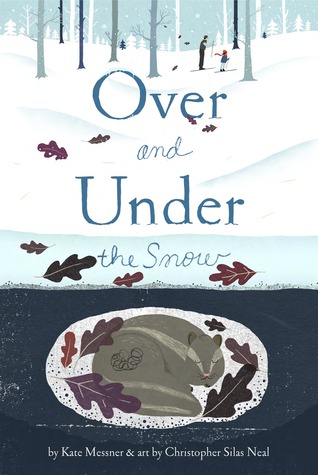
For picture book readers – OVER AND UNDER THE SNOW or SEA MONSTER’S FIRST DAY
Gae Polisner
For teen readers – THE SUMMER OF LETTING GO or THE PULL OF GRAVITY
Jo Knowles
For MG/teen readers – SEE YOU AT HARRY’S
For teen readers – JUMPING OFF SWINGS, LIVING WITH JACKIE CHAN, or pre-order READ BETWEEN THE LINES
Teachers Write Guest Authors for Summer 2014 (click to see websites/books)
Nora Baskin
Cynthia Lord
Donna Gephart
Lynda Mullaly Hunt
Megan Frazer Blakemore
Jeannine Atkins
Diane Zahler
Kathryn Erskine
Sarah Darer Littman
Donalyn Miller
David Lubar
Jody Feldman
Anne Marie Pace
Varian Johnson
Kat Yeh
Lola Schaefer
Kim Norman
Nikki Grimes
Sarah Albee
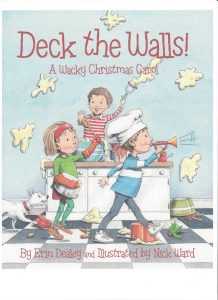
Erin Dealey
Erin Dionne
Phil Bildner
The folks on this list are not only amazing, generous humans but talented writers, too. Check out their work, and please introduce their books to your students.
And with that…Teachers Write Summer Camp 2014 is a wrap! Gae is over at Friday Feedback, so don’t forget to stop by for one last critique session. And remember that if you have questions or want to talk writing, we’re always around. Follow us on Twitter (@katemessner, @gaepol, @joknowles, @mentortext) or find us on Facebook via the Teachers Write group. And please look for us at NCTE in November if you’re there – there is nothing better than meeting Teachers Write campers in person!
Have a great 2014-2015 school year, everyone, and again…thanks so much for including us in your summer writing journey. It’s been a joy and an honor to work with you, write beside you, and call you friends.
xo
~Kate