Teachers Write 2022 – Week 4 – Let’s Brainstorm

Good morning, friends! I hope last week’s adventures in world building were fun and productive for you, whether or not you choose to return to any of those settings for future writing. This is our last week of summer camp, so I want to send you off with some activities and tips to carry you through the school year (and bonus! You’ll be able to share these with your kids who need a little creative boost, too!) 

I visit schools and libraries all over the world to talk about books and writing with kids, and the most common question I get – hands down – is “Where do you get your ideas?” 

The answer, of course, is “Everywhere!” But that’s not super helpful to a kid staring at a blank piece of paper, so this week, we’re going to play around with a favorite brainstorming strategy. Here are your assignments for this week: 


1. Make yourself a three-column brainstorming chart! 

If you’ve participated in Teachers Write in the past, you might be familiar with it, and that’s okay. It’s great, in fact – because this is one of those activities that gets better and more productive the more often you try it.  It’s one of dozens of writing prompts featured in my book for educators, 59 REASONS TO WRITE. 


2.  On another day, spend a little more time adding ideas to your three-column brainstorming chart. Then step back and take a look at your options. What would happen if you took that character from column 1 and dropped them into an unexpected setting from column two? Or what would happen if you imagined exploring that big idea from column three in a setting that doesn’t, at first glance, seem to fit? Play around with this until you’ve come up with three ideas that seem like fun to explore. Then let all that writing rest for a day or two.

3. When you come back to your chart and scribbled ideas, we’re going to pull a trick from the Laura Ruby playbook. Laura is the author of many books for young readers, from YA novels like 13 DOORWAYS: WOLVES BEHIND THEM ALL to her charming new picture book ME AND MS. TOO, which came about because of the strategy Laura’s sharing this week.


Laura says:  If you’re struggling with a short story or a novel, write it as a picture book instead. This will help you figure out your main story arc and the emotional journey of your main character.

So even if you’re thinking your idea might be a novel, try drafting it as a quick picture book right now. (Don’t worry – it can be terrible! That’s part of the fun of drafts.) If you’re thinking of it as a picture book, do a little writing about what it might look like fleshed out as a novel. Or what if you made it a graphic novel? Playing around with unexpected formats is another way to stretch as a writer and find the perfect fit for an idea. 

Whatever else you choose to work on this summer and beyond, here’s one more revision tip – it’s an especially great one to share with student writers as well, and it comes to us from Olugbemisola Rhuday-Perkovich, the author of OPERATION SISTERHOOD


Olugbemisola says: Talk it Out: tell your story to someone else. Don’t let them read any of it, don’t read it yourself, no notes, nothing.

See what elements they react to. Make note of what they get excited about, what resonates, what confuses them, what bores them, what they have more questions about. 

What parts do you get excited about? What feels fuzzy? Why is it there? 

Then make a list of your observations from this conversation and bring that back to the next read of your story. (When I was working on OPERATION SISTERHOOD, this strategy helped me move the story to Bo’s point of view!)

We have one last chance to connect with fellow campers on Jen’s blog this Friday if you’d like to check in.


Otherwise, that’s a wrap for this summer – other than to say that I’m so, so glad you chose to join us for this season of exploration and play. We were all due for some fun, weren’t we? I know that many of you worked through the summer, and those who didn’t will be heading back to school soon. Please know that as you fight for your kids, providing them with the stories that will sustain them through this school year and beyond, I’ll be cheering for you. I’m so, so grateful that you’ve chosen this essential work.

We’ll be back next summer with another season of Teachers Write. Until then, please feel free to reach out if you ever have questions about my books or author visits. And if you’d like signed copies of any of my books, personalized to you and your readers, you can always order them through my local bookseller here.

Thanks again for joining us – and especially for sharing stories with your kids.

All best,
Kate

Teachers Write 2022 – Week 3 – It’s BYOW Week (Build Your Own World)

Good morning, friends! This week at camp, we’re going to ramp up the fun factor by doing some world building. If you’re a fan of science fiction or fantasy, you already have an appreciation for the amazing worlds created by authors like Dhonielle Clayton, whose MG novel THE MARVELLERS is set at a global magic school in the sky, and Justina Ireland, whose DREAD NATION characters live in an alternative history, in which the dead rose from the battlefields of Gettysburg, changing the United States forever.

But just HOW do authors make these imaginary worlds feel so real and fully developed? The answer is, with a whole lot of world building. This is work that happens largely off the page, where writers craft every detail of the world in which they’re writing. Often, we get a sense for this world – this place we’ll be exploring in the story – in the very opening pages of the book. Anne Ursu is a master of the perfect opening scene. This one grounds us firmly on the continent of Dovia, the world in which her MG fantasy THE TROUBLED GIRLS OF DRAGOMIR ACADEMY takes place. 

    There were few women pictured in the great tapestries of Illyria — besides the witches, of course. The tapestries depicted moments of heroism, epic battles of good and evil, of powerful sorcerers and brave noblemen protecting the kingdom from the monsters that had threatened it throughout its history. 
    That is not to say that girls and women did not matter to Illyria: behind every great tapestry was a woman who wove it, just as behind every great sorcerer was a wife to tend to his domestic affairs, a governess to teach his children, a cook to warm his gullet, a maid to keep his fires lit. 
    And behind every boy who dreamed of being a sorcerer was a mother who raised him to be brave, noble, and kind. And perhaps that boy even had a sister, who, right before the Council for the Magical Protection of Illyria finally visited his humble home to test him for a magical gift, made sure the chicken coop was spotless. 

                              ~From THE TROUBLED GIRLS OF DRAGOMIR ACADEMY

From just a few paragraphs, we learn who has the power in this world, who is revered and who is quietly taken for granted, as well as how boys come of age and grow into their power. It’s pretty amazing, right? 

In order to write this kind of opening page, a writer must have a firm handle on what their world looks like. And one way to do that is by doing a lot of pre-writing about the world and how it works. That’s what we’re going to play with in this week’s assignment. 

1. Think of at least three different worlds you might like to write about someday. These can be science fiction, speculative fiction, or any kind of fantasy. Maybe your story is set in a colony on Mars or on a floating futuristic city set up to rescue the population from rising oceans. Or maybe you’d like to have your own magical school for wizards or dragons or monsters from mythology. Brainstorm a few possibilities and explore what those worlds might look like — both visually and in terms of how things work. 

2. On another day, choose one of those worlds to develop more fully. Write a bit in response to each of these questions. (They’re from a world-building worksheet I created for myself while I was working on my futuristic MG novel EYE OF THE STORM!)  

What are the non-negotiable rules of this world?   Are there any exceptions?

What laws does society impose?  What happens to people who break them?

What kind of government is in place?  Consider local & national levels as well as international cooperation. How does government impact citizens’ everyday lives?

What official document is in place to define that government? If it is a future version of a current document (i.e.Constitution), how has it changed? What amendments have been added?

What rights do people have?  What rights are they denied, and why?

What are this society’s most closely held values?

What social ladders exist? Who has power and why? What are the tangible symbols of that power? Who is at the bottom of this society’s social ladder, and why?

What kind of diversity exists in the population?

What role, if any, does religion play in this society? What are the dominant religions? What religions are marginalized?

What do international/inter-group relations look like? What wars are going on?  What countries or groups are fighting, and why? Which ones are allies? Which are enemies?

What’s in the history books? What’s left out?

What climate and weather patterns are prevalent?

What does agriculture look like? Where do people get food?

What foods are considered standard fare? What foods are delicacies, and why?
 3. Then, on another day, after you’ve had a chance to ponder all of your writing about this world, do a little writing to see what kind of story might emerge. 

What current issue/problem is at the heart of this imagined world?  From what spark of our modern reality was this world born?

How could the setting of this story impact the main character?And finally (this is the question from which your story tension will emerge) What rules or laws could your main character in this world choose to break or challenge?  Why?  What are the consequences?

Spend a bit of time playing around with these ideas, and you’ll have developed a solid story concept or two! 

This week’s writing tip is worth thinking about both when you’re drafting and when you’re revising. It comes from the amazing Tracey Baptiste, author of THE JUMBIES series (check these out for great world-building, too!) and the historical NF picture book, BECAUSE CLAUDETTE.

Tracey says: Stories move forward when actions are connected: “because of x, y happens.” But we teach kids that they should NOT start sentences with “because.” In the case of BC, deliberately using “because” repetitively helps the reader understand that all of the events were a chain reaction. Exercise: write an outline using “because.” Because of a, b happened, because of b, c…” etc.

That’s all for this week, but don’t forget to check in on Jen’s blog this Friday if you’d like to report on your progress and connect with other campers. 

Happy writing, and I’ll see you next week! 

All best,
Kate

One more note… Teachers Write has always been, and will always be, free, but I do have a favor to ask. If you’re taking part this summer and you’re able to, please order some of my books from your local bookstore  – or you can order signed copies from mine, The Bookstore Plus in Lake Placid, NY. Thanks! 

Teachers Write 2022 Week 2 – The Power of Place

Teachers Write Week 2 – The Power of Place

Welcome back to Teachers Write! How did our first week go for you? Hopefully, you found some time to dust off your notebook or laptop and do a little playing. Don’t forget that this is summer, so we’re all about making this a low-stress creativity boost! That means it’s never too late to go back and try out or revisit a prompt or assignment from weeks past. But for those who are ready for more…

Today we’re going to talk about the power of place in stories. Many of my books have grown out of settings, from the snowy northern landscapes of my picture book OVER AND UNDER THE SNOW  and MG novel THE SEVENTH WISH to the warm buzz of summer in OVER AND UNDER THE POND and CHIRP.

And the interesting thing about setting is that it can draw our sense of wonder both outward and inward. 

My OVER AND UNDER nature books are all about paying attention – from the tickle of a dragonfly landing on your knee to the silence of falling snow. But in a novel, those same kinds of moments can reveal not only details about the setting but about the character. When 12-year-old Mia walks into her grandmother’s cricket farm in CHIRP, hears the cacophony of a million crickets chirping all at once, and then learns that only male crickets chirp — that females are silent — it’s more than just a fascinating nature fact. It’s a detail that settles over her, at a time when she’s been keeping quiet about the gymnastics coach whose sexual harassment drove her out of the sport.  

In Renee Watson’s SOME PLACES MORE THAN OTHERS, details of the busy Harlem setting serve not only to underscore Amara’s fish-out-of-water experience as she visits New York City from Oregon but also to connect her with her father’s history. 

The streets aren’t as crowded as I thought they would be. The sidewalks are wide, and even with a few vendors on the edge of the sidewalks, there’s still plenty of room to walk. I am thinking maybe Mom was exaggerating about how busy New York is, with its bustling streets, but then we get to the corner of 125th and Lenox. There’s a crowd of people crossing the street going both directions and cars forging their way through and whizzing by. There’s a Starbucks on the left and a subway station on the corner. I want to take a picture of the subway entrance, but I know Ava will think I’m making a big deal out of nothing, so I just act like it’s not a big deal that there’s an actual entryway to an underground tunnel. I wonder what it’s like to be underground, to have a whole world moving above you. I think about the fact that we are walking on top of people who are moving around under us having a whole different experience than we are. 

I love how Renee literally crowded this lengthy paragraph with images and thoughts – jam-packed as one of those subway cars, to show how Amara’s mind is racing as fast as the city cabs. And the words she chose – the crowd crossing, the cars forging and whizzing – contribute to that hustle and bustle on the page and in Amara’s mind. 

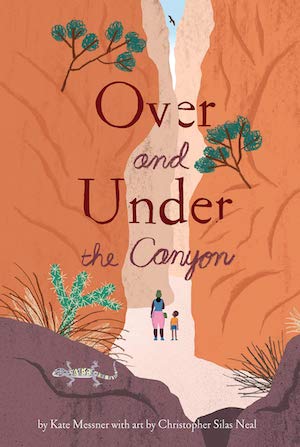
Contrast that to the language from my own picture book, OVER AND UNDER THE CANYON where the language is literally and figuratively spread out, with lots of wide-open space to breathe. 

Here are your assignments for this week. 

1. Choose a place that you know and love. It can be home, or a place you’ve visited that somehow seems to call you back. First, write a big block of text about that place – just one long paragraph with all the ideas together. 

2. On another day, rewrite that paragraph and see how much more sensory language you can add. One trick for doing that is to set a timer for each sense. Take two minutes to read over your description looking for opportunities to add ONLY sounds. Read through, and think “What would this sound like right now? What would I hear?” Even quiet sounds can say a lot in the right setting. Then reset your timer and take two minutes just to add smells. And then think about your sense of touch. What would you feel on your skin in this place? Tickling grass? Warm wind? Pressing heat and humidity? 

3. Finally, on another writing day this week, try crafting your notes into a poem. Free verse might work well for this one, or if you’re dying to try a rhyming poem, see how that works out.

Our bonus writing tip this week may be helpful if you opt for rhyme. It comes from Laurel Snyder, author of ENDLESSLY EVER AFTER: PICK YOUR PATH TO COUNTLESS FAIRY TALE ENDINGS. 

Laurel says: When I work on something in rhyme and meter, I always try flipping the lines in revision! Sometimes, they’re exactly right to begin with, but often, I find the lines work better reversed. This is especially true when one of the end words in a line is an unusual or “tricky” word, because often in those cases, you have to really stretch and get creative to find a good match for it, right?  If the “tricky” word comes first, the creative rhyming word feels forced. If, on the other hand, the “tricky” word follows, it feels satisfying and inevitable.

Don’t forget that you can check in with your progress and connect with other campers at our weekly check-in on Jen’s blog each Friday! 

Happy writing – and we’ll see you next week. 

All best,
Kate

A quick note… Teachers Write has always been, and will always be, free, but I do have a favor to ask. If you’re taking part this summer and you’re able to, please order some of my books from your local bookstore  – or you can order signed copies from mine, The Bookstore Plus in Lake Placid, NY. Thanks! 

Teachers Write 2022 – Week 1 – Writing Our Rituals

Welcome to Teachers Write 2022! 

Good morning, friends, and welcome to Teachers Write! 

There’s no question about it – 2021-22 was another school year that brought unprecedented stresses and challenges for teachers and librarians. Sometimes, in the midst of that, it’s easy to forget the joy of teaching and learning – and the joy of playing with words. So that’s what we’re going to do this summer. 

Play. Experiment. And explore. 

We’ll look at a variety of mentor texts from your kids’ favorite authors as jumping off points to play around with memory mining, character, setting, structure, and more. And each week, you’ll have a chance to check in with educator, writer, and long-time Teachers Write camper Jen Vincent, who hosts check-ins on her blog, Teach Mentor Texts each Friday. 

But before we get started with your first-week content, a quick introduction for folks who have found their way here through friends and may be new to Teachers Write….

(Photo from the recent ALA Conference, where I was excited to see an early copy of ONCE UPON A BOOK, an upcoming picture book I co-authored with the amazing Grace Lin! You can read more about that one and pre-order here.) 

I’m your host, Kate Messner – a former middle school teacher and forever educator, as well as an award-winning & New York Times bestselling author.I’ve published more than fifty books for young readers, from picture books to easy readers and chapter books, as well as novels and nonfiction for middle grade readers. You can check out my Books page for a full list of my titles, in case your library or classroom library is missing any of them. 

Now a bit more about Teachers Write…

This is a free, online summer writing camp, especially for teachers and librarians. It’s meant to be a fun, low-pressure way to grow as writers because the truth is, to be truly effective teachers of writing, we need to walk the walk. That means feeling the discomfort of stepping out of our comfort zone, trying new things. And it means practicing, with all different kinds of writing. 

We’re going to start with a simple writing prompt — one that I hope you’ll explore in a few different ways on a few different days this week.

Write about a ritual that was part of your childhood, or one that you observe now. I’m not talking about religious rituals, though you’re welcome to write about those, too. I’m talking about the small things we do in our everyday lives, or as part of a holiday or special event. 

Here’s an example… When I’m cutting up a cucumber, before I compost the ends, I rub them on that newly-cut part of the cucumber for a second. It’s something I always saw my mother doing when I was growing up, and when I asked why, she said it was “to draw the bitterness out.” 

I was seven, maybe eight years old at the time, and that didn’t make sense to me.  “What? How does that draw the bitterness out?” I asked. 

“It doesn’t,” she said. “But my mother always said it did, so I do, too, as a tiny way to remember her.” 

I liked that. The notion that we can quietly keep a small tradition that makes no sense, except to connect us to someone we love. So even though it doesn’t change the way they taste, I do the same thing whenever I cut up cucumbers for salad. 

When my kids were growing up, we ate marshmallows whenever there was a thunderstorm – our no-fuss, improvised version of Patricia Polacco’s Thunder Cake. We got ice cream sundaes on the first and last days of school. 

Maybe you have rituals like that, too. Maybe you have a ritual to start or end your day, or one to begin each new school year. Or maybe you have a quiet tradition that connects you to someone who is gone.

Here are your writing assignments for this week: 

1. What are the rituals that are (or were) part of your life? Choose one to write about – just a paragraph or two is good to start. 

2. On another day this week, return to that description you wrote, and take some time to write more about the place where that ritual occurs. (Remembering my mom’s cucumber-cutting ritual takes me back to my childhood kitchen – there were gauzy light orange curtains and a door that led to the mud room, which always smelled like our dog, Dolph.)

If you’re writing about a ritual you observe now, perhaps you can go to that place and pay attention, writing what you observe, what you hear and smell when you slow down and pay attention. If you’re dealing with a memory, close your eyes and try to place yourself in that location. What do you hear? What are the smells? What’s obvious? And what’s lingering beneath the surface? Spend about 15 minutes writing about that place.

3. A little later in the week, see if you can craft your ritual memory into a poem. Don’t stress out about this. It doesn’t have to rhyme; in fact, don’t rhyme. Too often, that makes language feel awkward and forced (I may have added this rule for selfish reasons…have you ever tried to rhyme with cucumber?) But if you’d like, you can adopt a form with some rules to serve as a bit of scaffolding if that makes the writing seem more manageable. 

Nikki Grimes’s wonderful novels in verse, GARVEY’S CHOICE and the forthcoming GARVEY IN THE DARK, are written entirely using the Japanese tanka form.

Maybe you’d like to try that, too? Or perhaps you’d rather write in free verse? 

Whatever you decide, play around with it. Experiment with the words as you use language to paint a picture of this ritual and the role it plays in your life. 

And here’s a side project for folks who might be working on novels: Do this same set of writing activities, but write from the point of view of your character. Exploring ritual – and the connections they serve to create and sustain – can be a powerful way to illuminate character.

Next week, we’ll do some writing that focuses on the power of place in our lives. 

Finally today – a bonus brainstorming prompt from award-winning author Martha Brockenbrough, whose easy reader FRANK AND THE BAD SURPRISE is a great one to share with kids when you’re working on letters! 

My favorite brainstorming strategy is to put two different and unrelated favorite things together. So, puppies and cake, for example. Between the two of them, I can very often find a story.

The obvious one here is a puppy wants some cake. But what if (and this is my next strategy), you subvert the relationship somehow? What if the cake wants to taste the puppy? Or what if the cake does NOT want to get eaten and tries to persuade the puppy to look elsewhere?

With the unexpected pairing + the subversion/inversion, you start to get to what feels like new ground. Interestingly, this is also a way of discovering our hidden biases–when you are purposely changing an element, you discover the way your biases inform your expectations of what is supposed to happen. 

All right – you have your marching orders for this week! Or…let’s say marching suggestions, shall we? Remember that this is low-stress creativity booster, so feel free to participate as much or as little as you’d like! And don’t forget to check in with Jen on Friday if you’d like to connect with other campers. 

For now, though…

Write. Play. Explore. Relax. 

And look for your second Teachers Write email next week! 

All best,
Kate

One more quick note… Teachers Write has always been, and will always be, free, but I do have a favor to ask. If you’re taking part this summer and you’re able to, please order some of my books from your local bookstore  – or you can order signed copies from mine, The Bookstore Plus in Lake Placid, NY. Thanks! 

History Smashers: The Underground Railroad is out today!

I’m celebrating a book birthday today!

https://thebookstoreplus.com/item/ymASTSSKIbZoaWL-cearcg

If you’d like a copy of HISTORY SMASHERS: THE UNDERGROUND RAILROAD signed to your favorite reader or to your classroom or library, just order today from my local indie bookseller, The Bookstore Plus, and leave a note in the comments about how you’d like it signed.  I’ll be signing at the store tomorrow, and I’d love to personalize a copy especially for your readers! The store will send out orders this week. Here’s a little more about the new book…

HISTORY SMASHERS: THE UNDERGROUND RAILROAD is co-authored by Gwendolyn Hooks and illustrated by Damon Smyth. It tells the true story of slavery and resistance in the Americas. (Spoiler: It’s not all about the Quakers.)

This is a topic that teachers & librarians have been requesting since the series launched, and I’m so grateful that Gwen was game to work on it with me. Too often, when kids learn about the Underground Railroad, the stories center white Americans who sometimes helped freedom seekers along the way instead of focusing on the heroic people who were forced to risk everything just to be free. Gwen’s picture book ONA JUDGE OUTWITS THE WASHINGTONS is one of my favorites because it keeps the focus squarely on the freedom seekers themselves.

While Gwen and I were working on this History Smashers book, I was visiting a school in Vermont and chatting with some second graders over lunch. One boy was telling me how much he loved the picture book biographies his librarian shared, so I mentioned Gwen’s picture book to him.

“It’s about a woman who was enslaved by George Washington, and how she escaped and never got caught,” I told him.

“Wait,” he said. He looked confused. “George Washington had slaves?”

I nodded. “He enslaved hundreds of people on his plantation in Mount Vernon, both before and while he was president.”

His eyes got big. “I thought George Washington was a good guy!”

“Well,” I said. “It’s true that Washington led the Continental Army in the American Revolution and became our nation’s first president. It’s also true that he enslaved people. Both of those things are true.”

These are the sorts of stories that some people don’t want kids to learn about. They worry that kids won’t understand. But this young reader did. He nodded, asked his librarian to order Gwen’s book and some more of the History Smashers titles, and went on to tell me about his recent reading about some other historical figures and how they were heroes in some ways and not in others. That happens a lot, he said. (He’s right.)

Kids get it. They’re able to hold more than one truth at a time, and they get that history is complicated. They also desperately want to build a world that’s better and fair for everyone.

Ona Judge’s story is included in our new History Smashers book, too, one of many heroic accounts of Black freedom seekers who fought a system they knew was unjust. I’m so grateful that I get to work on this series, to have a small part in teaching kids about real history and helping them imagine the kind of future they’d like to build.

Announcing Teachers Write 2022 – a free summer writing camp for teachers & librarians!

Hello, friends! Whether you’re a long-time veteran of Teachers Write or checking it out for the first time this summer, I’m so glad you’re here. Pour yourself a glass of iced tea or lemonade, pull up a chair on the deck, and let’s talk about writing.

Teachers Write is a free, online summer writing camp especially for teachers and librarians, though anyone is welcome to follow along with our weekly writing prompts, mini-lessons, and challenges. The goal — the only goal, really — is to get writing and have fun. Teachers and librarians who write for themselves are stronger mentors and more empathetic facilitators for student writers, too.

This summer is going to be all about experimenting with different kinds of writing. Never written a poem before? We have some mentor texts for you to check out. Always wanted to try your hand at a graphic novel or graphic memoir? We’ll take a look at visual storytelling, too. Each week, you’ll get an email delivered right to your in-box with a collection of writing prompts, mini-lessons, and revision tools to try out that week. There’s never any pressure, and you can write as much or as little as you’d like. And when the summer is over, you’ll have a new collection of writing lessons, prompts, and strategies to share with your kids when you go back to school in the fall.

Teachers Write 2022 will begin on July 11 and wrap up on August 5, with each week’s writing prompts and lessons delivered to your email inbox on Monday morning. Educator-writer Jen Vincent will also host weekly check-in posts on her blog, where those who wish can continue the conversation online, sharing reflections, writing, and feedback.

This is going to be a no-pressure, participate-on-your-own-terms summer, so feel free to sign up, even if you think you might only try one or two prompts, or if you’d just like to watch from the sidelines. However you choose to participate, I think you’ll come out of this season of writing feeling a little more enthusiastic about your writing, a little more joyful about the process, and full of new strategies and ideas for writing that will help your students along on their journeys, too.

Join us, won’t you? You can sign up for Teachers Write 2022 here, and then look for an email from me in your in-box on Monday, July 11th!

Save the Date for the Adirondack Family Book Festival this August!

Often, my summer calendar is full of travel for book festivals and other events, but this year, I’m looking forward to an amazing celebration of stories in my own backyard. If you’re considering a trip to the Adirondacks this summer, I hope you’ll put August 20th on your calendar because the Adirondack Family Book Festival at John Brown Farm State Historic Site in Lake Placid is shaping up to be an amazing event.

A full day of read-alouds, author presentations, book sales & signings with The Bookstore Plus, writing workshops, and panels in a gorgeous mountain setting? Yes, please! The festival runs from 9:30am to 4pm on August 20th. The official website will be up soon with directions and a complete schedule for the day. But for now…check out the incredible lineup of participating authors and illustrators!
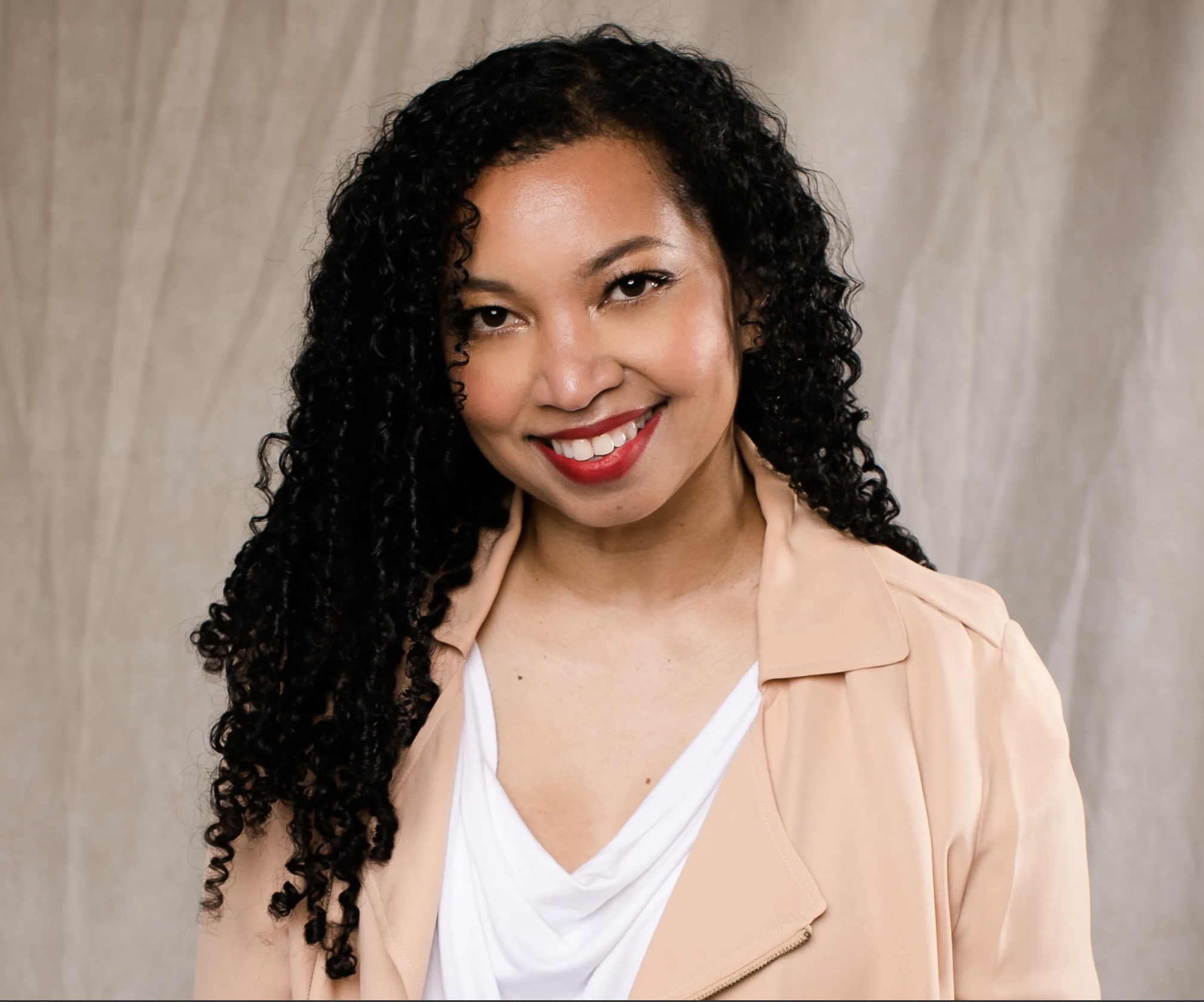
New York Times bestselling author Tracey Baptiste is best known for the popular Jumbies series and Minecraft: The Crash. She writes fiction and nonfiction from picture books to young adult. Her most recent titles include Looking for a Jumbie, African Icons: Ten People Who Shaped History, and Because Claudette. Find Tracey online at www.traceybaptiste.com and connect on Twitter @traceybaptiste and on Instagram @traceybaptistewrites.
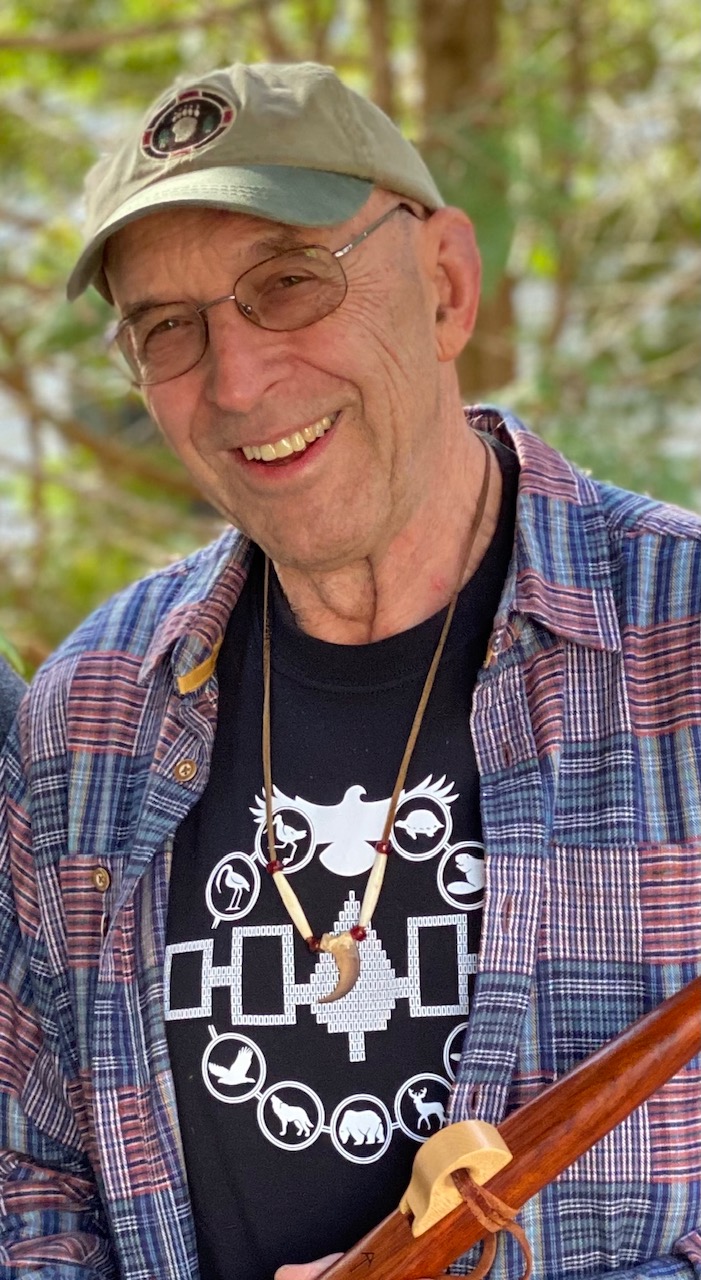
An enrolled citizen of the Nulhegan Abenaki Nation, Joseph Bruchac has authored over 170 books in many genres. His poems, essays, and stories have appeared in hundreds of publications from Parabola and National Geographic to Paris Review. His experiences, in addition to college teaching, include three years of volunteer teaching in Ghana and eight years directing a college program inside a maximum security prison. In 2021 his novel Code Talker was chosen by Time as one of the 100 best YA books of all time. His novel Rez Dogs was listed among the best books of 2021 by NPR. Learn more at https://www.josephbruchac.com/
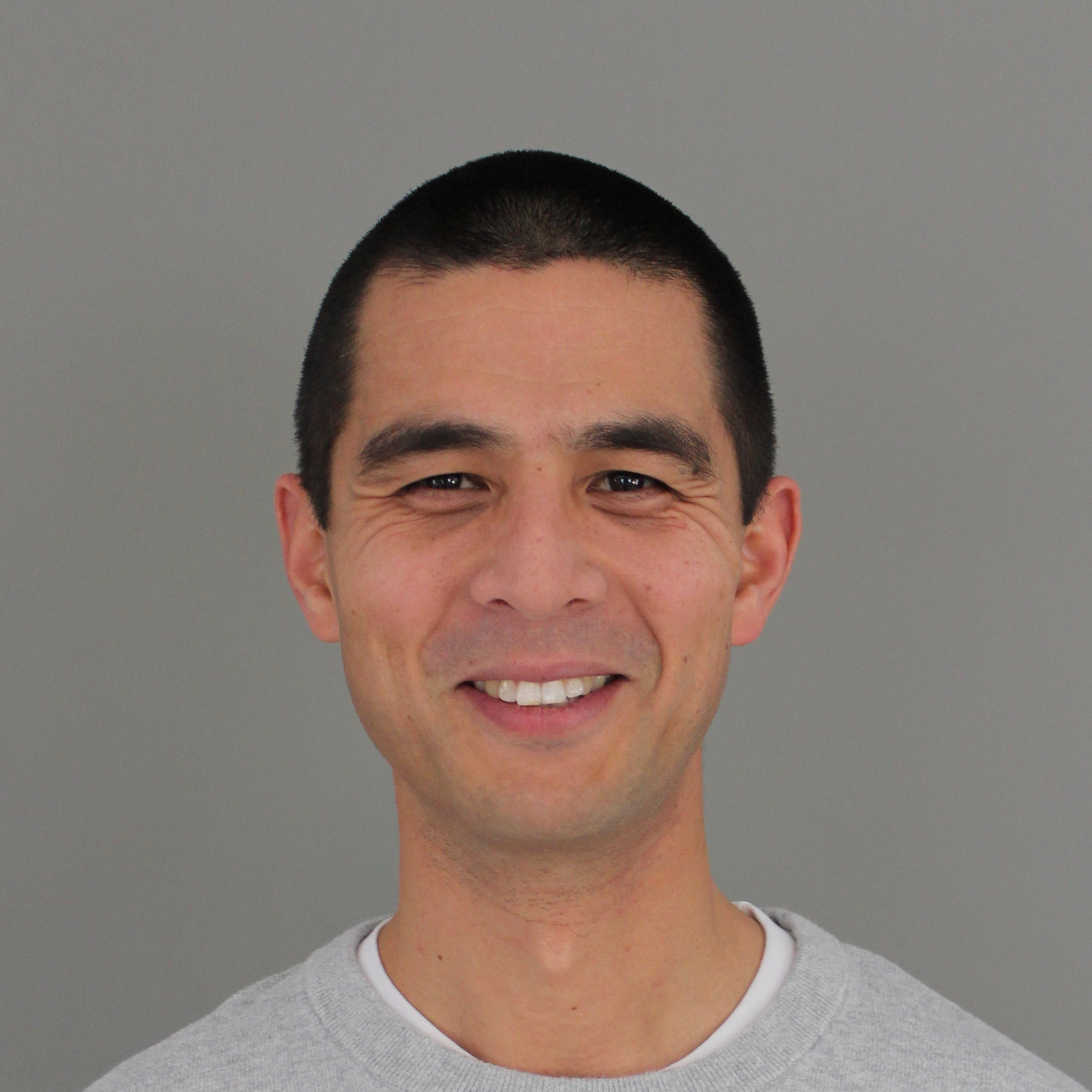
Jason Chin (he/him) is a Caldecott medalist who writes and illustrates children’s picture books about science and nature. In his books he tries to explain science with imaginative storytelling. His titles include Grand Canyon (Caldecott Honor, Sibert Honor and Orbis Pictus award) and Your Place in the Universe (a 2020 Horn Book Fanfare title). His latest book, Watercress, written by Andrea Yang, won the Caldecott Medal. To learn more about the books he’s written and illustrated, visit his website: https://jasonchin.net/books/
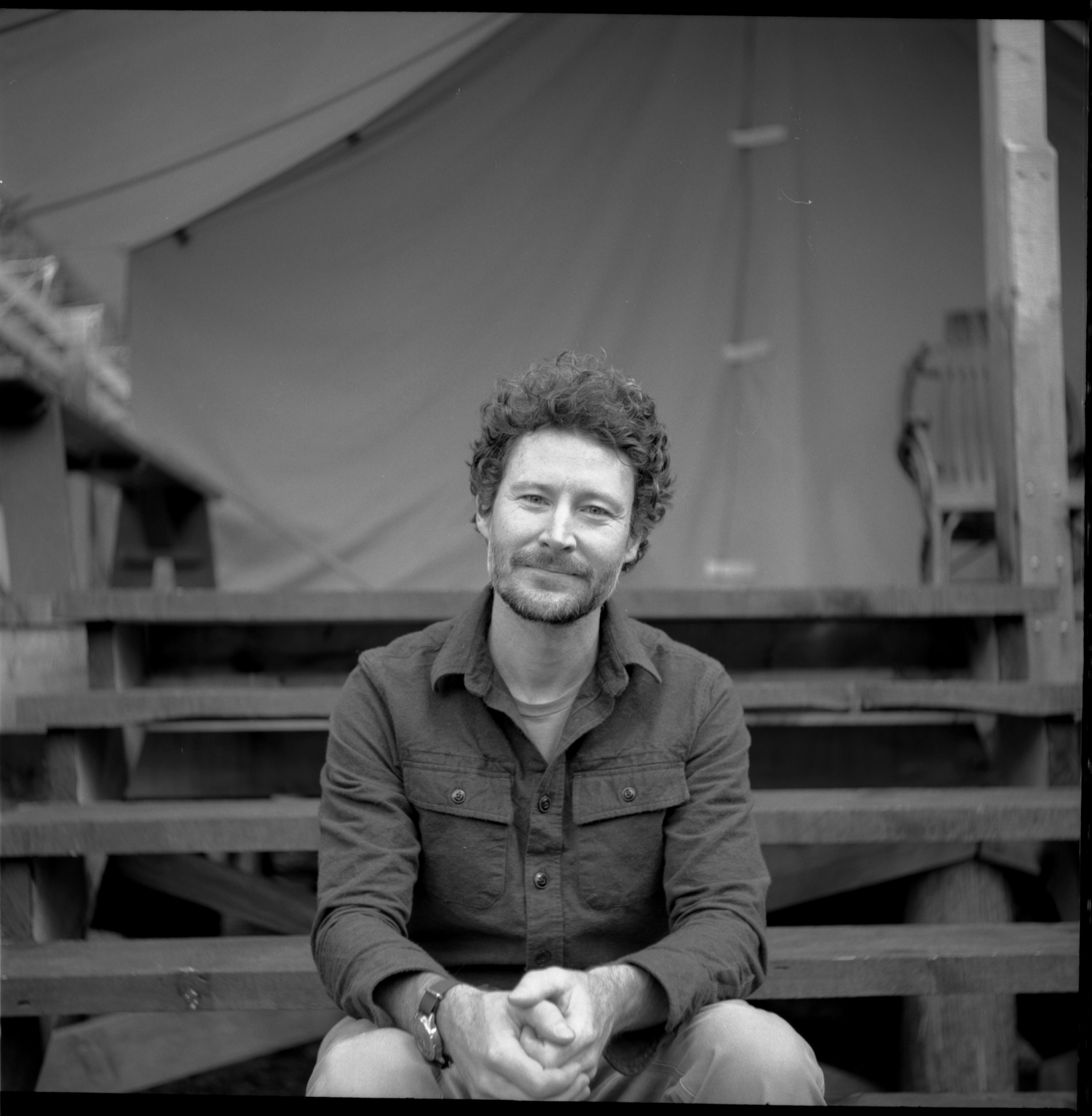
Maxwell Eaton III is a highly tolerated author and illustrator of numerous picture books and graphic novels for children, including Bear Builds a House, Bear Goes Sugaring, The Truth About Your Favorite Animals series, The Flying Beaver Brothers series, Okay Andy, and more. When he isn’t writing or drawing, he can be found paddling a canoe in the Adirondack Mountains with his partner and two children. Find him online at http://maxwelleaton.com/.
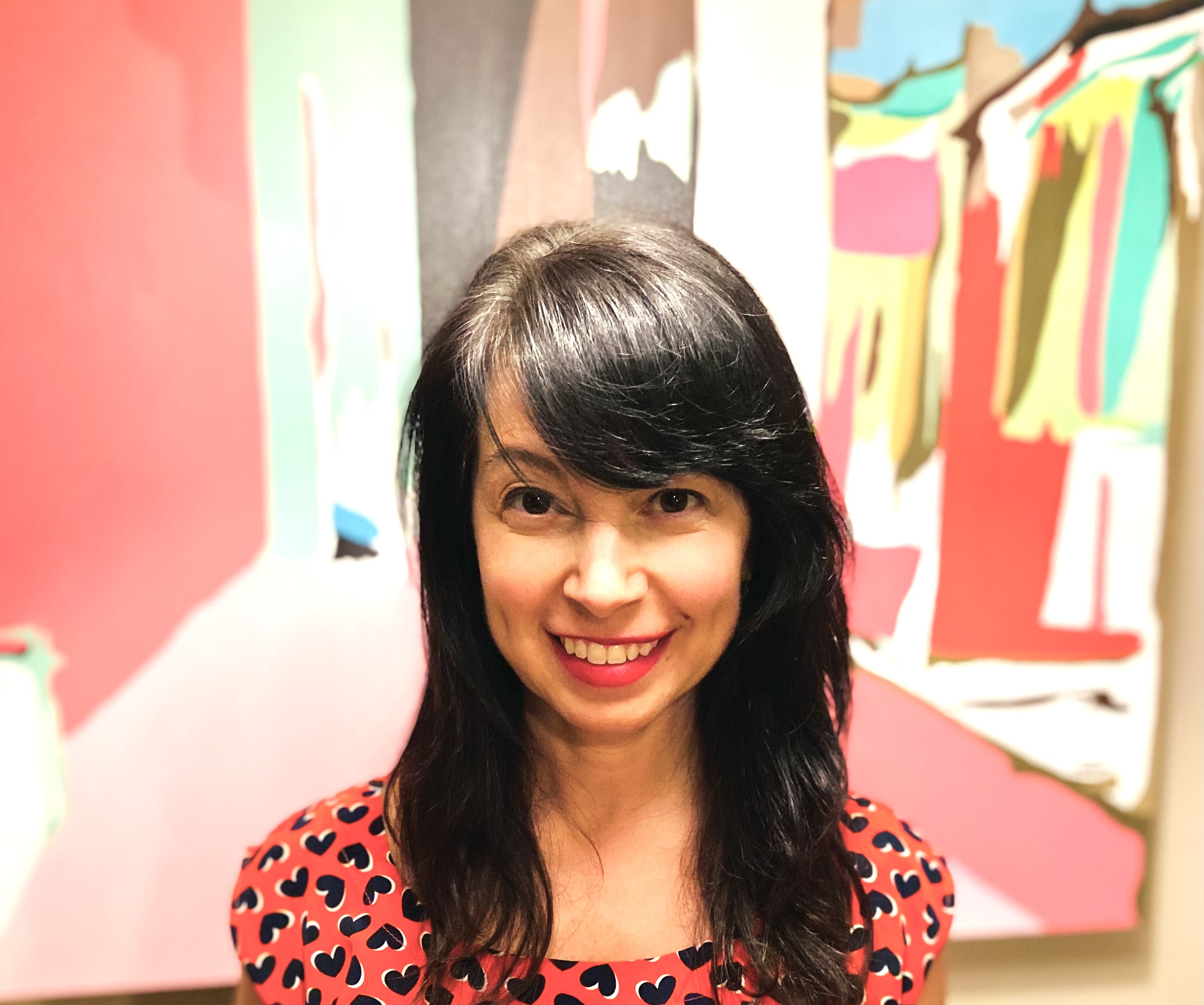
Amy Guglielmo (she/her) is an award-winning author, educator, artist, and community arts and STEAM advocate. Her eighteen children’s book titles include the Christopher award-winning Pocket Full of Colors: The Magical World of Mary Blair, Disney Artist Extraordinaire (Atheneum 2017) and the new What the Artist Saw series with The Metropolitan Museum of Art. She is also the Creative Director of Reading Rainbow Live and the co-founder of Outside Art: Plattsburgh Public Art Project.
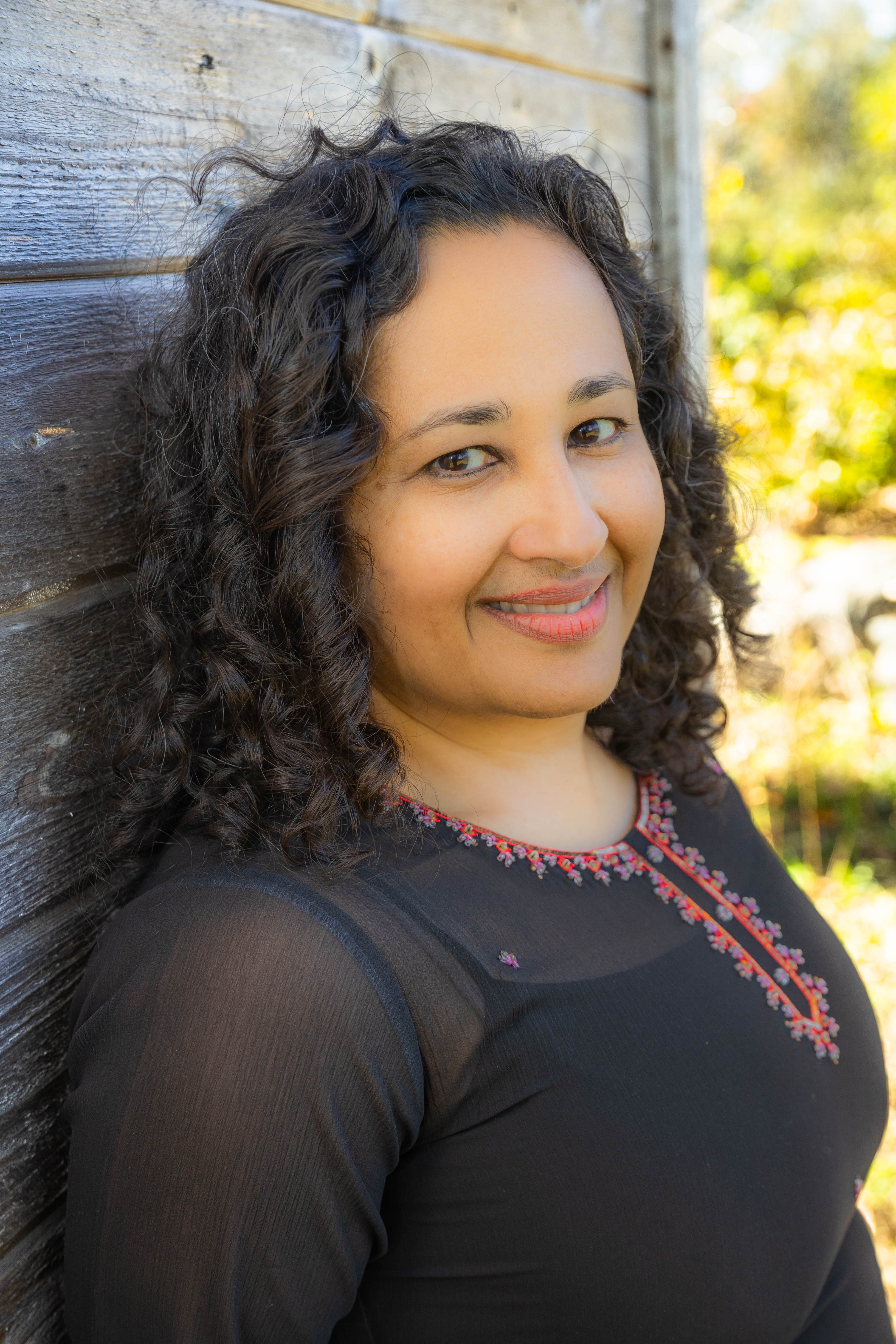
Rajani LaRocca was born in India, raised in Kentucky, and now lives in the Boston area, where she practices medicine and writes award-winning books for young readers. Her middle grade novel in verse, Red, White, and Whole, is the winner of the 2022 Walter Dean Myers Award and a 2022 John Newbery Honor. She’s always been an omnivorous reader, and now she’s an omnivorous writer of fiction and nonfiction, novels and picture books, prose and poetry. She finds inspiration in her family, her childhood, the natural world, math, science, and just about everywhere she looks. Learn more about her at www.RajaniLaRocca.com.
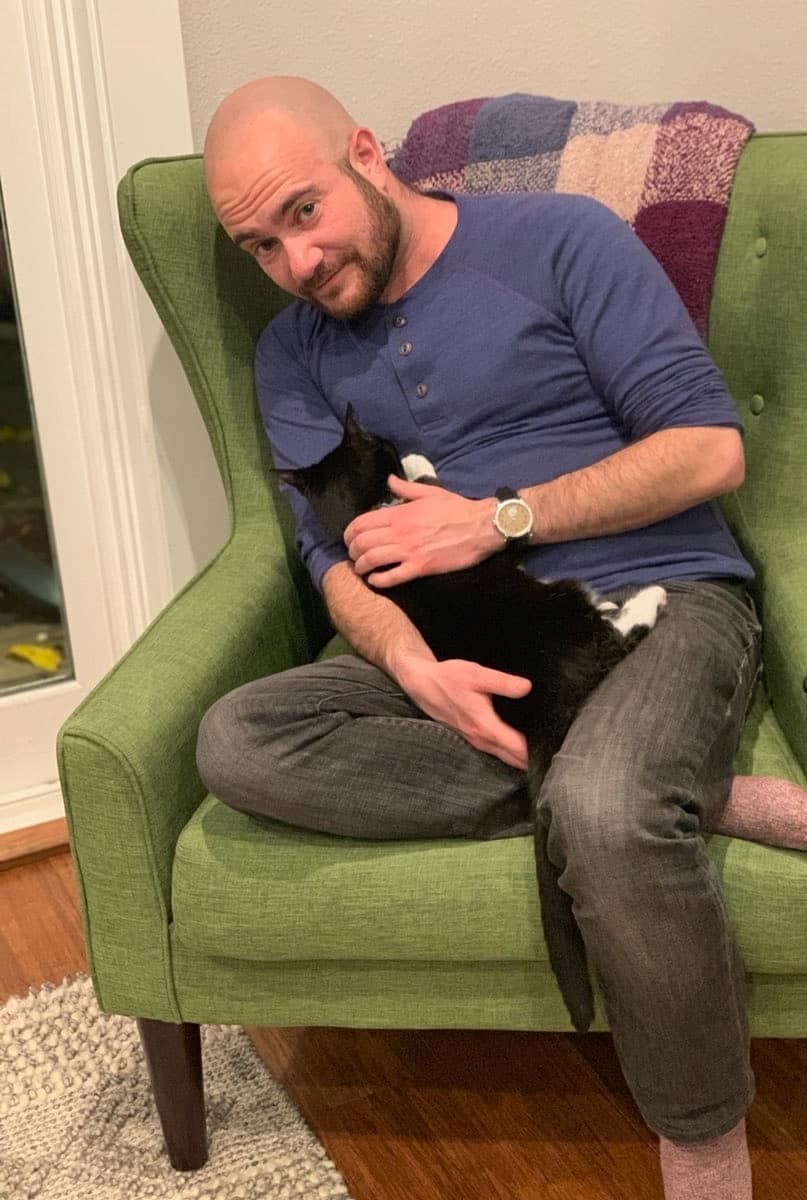
Kyle Lukoff is the author of many books for young readers. His debut middle-grade novel, Too Bright To See, received a Newbery honor and the Stonewall award, and was a National Book Award finalist. His picture book When Aidan Became A Brother also won the Stonewall award. His newest titles are the novel Different Kinds of Fruit and the non-fiction picture book If You’re A Kid Like Gavin. While becoming a writer he worked as a bookseller for ten years, and then nine more years as a school librarian. He hopes you’re having a nice day. http://www.kylelukoff.com/
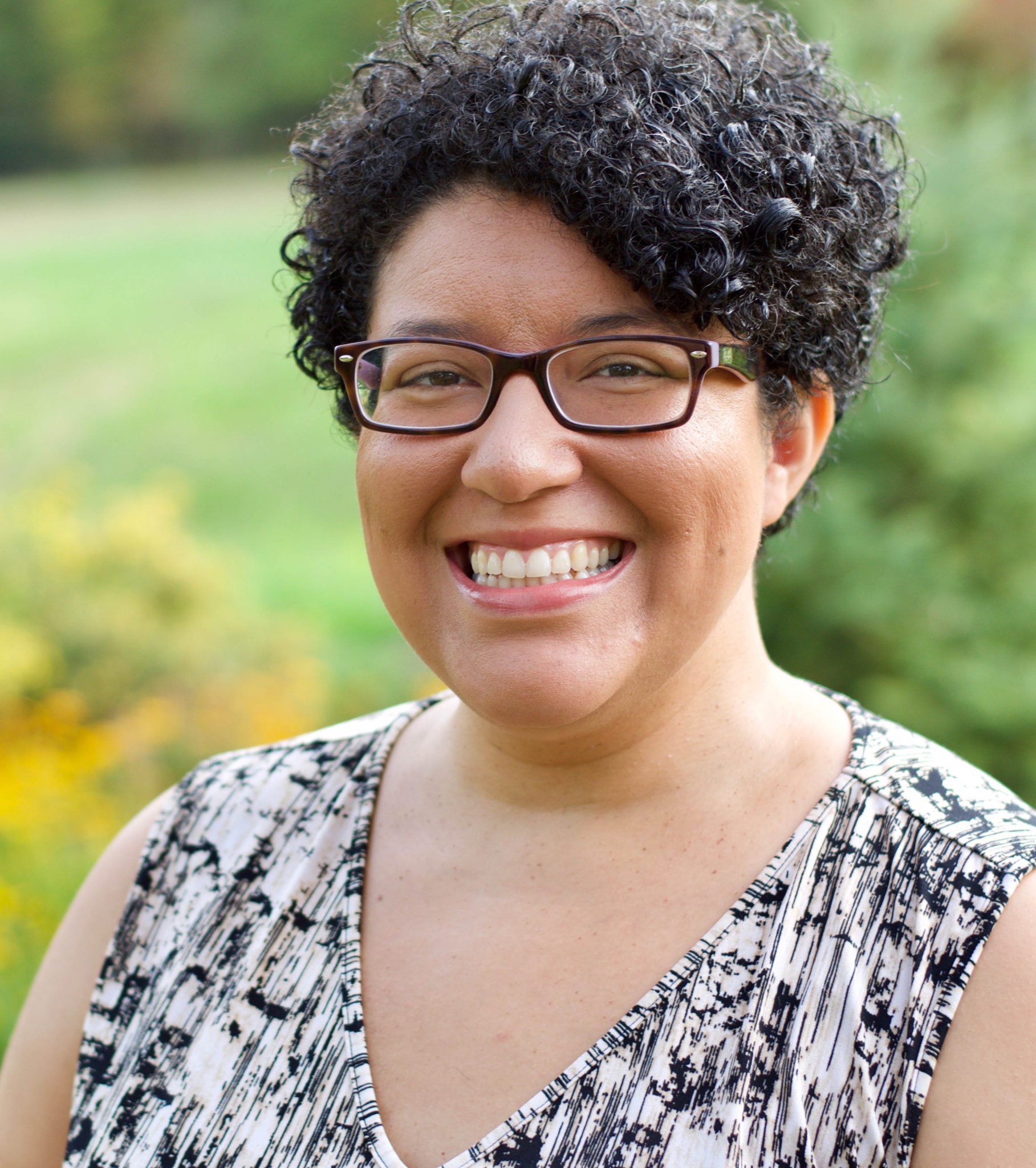
Kekla Magoon (she/her) writes novels and nonfiction for young readers, exploring themes of identity, community, empowerment, and social justice. Acclaimed titles include The Season of Styx Malone (winner of the Boston Globe-Horn Book Award), How It Went Down (a Coretta Scott King Honor book), and Revolution in Our Time: The Black Panther Party’s Promise to the People, which was a Michael L. Printz Honor winner and National Book Award Finalist. Kekla loves ice cream, board games, and her two energetic orange cats. She holds an MFA in writing from Vermont College of Fine Arts, where she now teaches. Learn more at her website: https://keklamagoon.com/
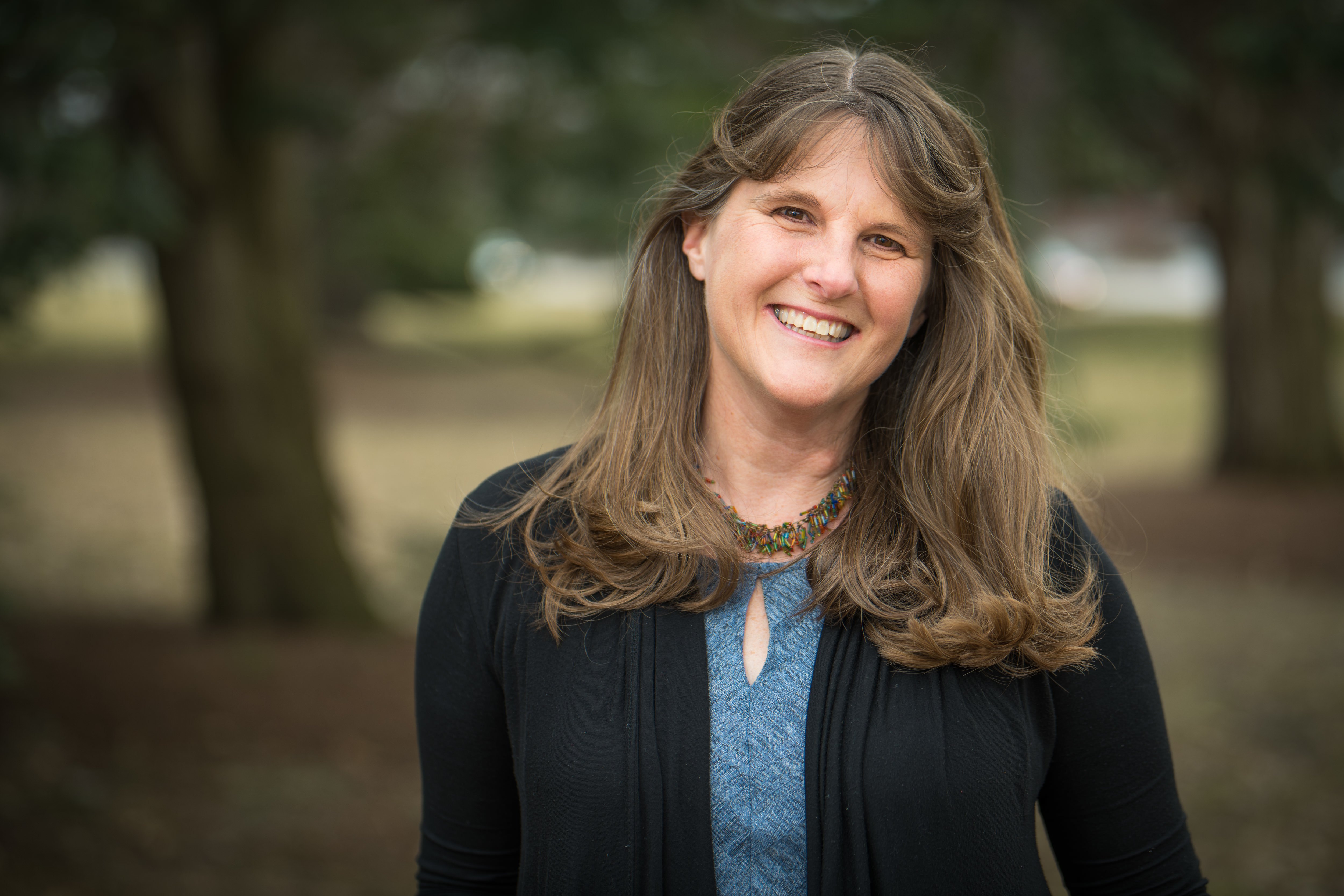
New York Times bestselling author Kate Messner is passionately curious and has written more than fifty books for kids who wonder, too. Her award-winning titles include picture books like Over and Under the Snow and The Brilliant Deep; novels like Breakout and Chirp; engaging nonfiction like The Next President and the History Smashers series; the Ranger in Time adventures; and the Fergus and Zeke easy readers. Kate lives on Lake Champlain. Online, you’ll find her on Twitter @KateMessner, and at her website, katemessner.com.
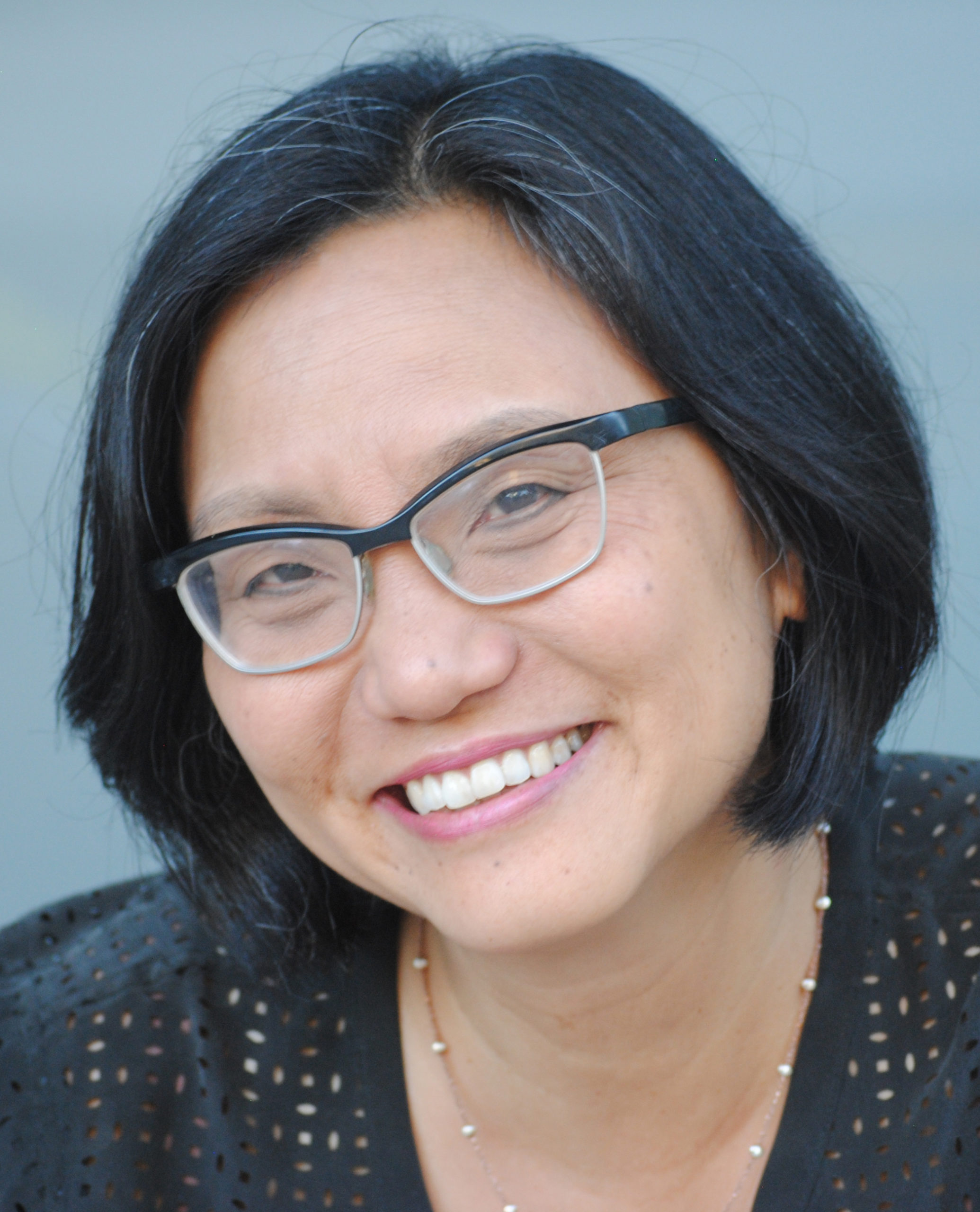
Linda Sue Park is the author of many books for young readers, including the 2002 Newbery Medal winner A Single Shard and the NYTimes bestseller A Long Walk to Water. Her most recent title is The One Thing You’d Save, a collection of linked poems. Linda Sue serves on the advisory boards of We Need Diverse Books and the Rabbit hOle museum project, and created the kiBooka website, www.kibooka.com, to highlight Korean American creators of children’s books. Visit her website at www.lindasuepark.com; follow her on Twitter @LindaSuePark.
Calvin Ramsey is a playwright, writer, and photographer. He is the author of Ruth and the Green Book and Belle, the Last Mule at Gees Bend and was a recipient of the Dr. Martin Luther King, Jr. Drum Major for Justice Award. He was born in Baltimore but grew up in Roxboro, North Carolina and now splits his time between New York City and Sarasota, Florida. Learn more at his website: http://calvinalexanderramseysr.com/
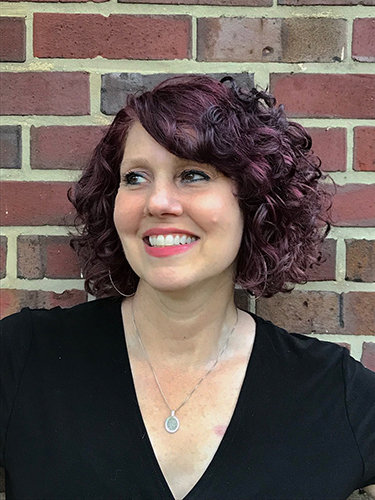
A two-time National Book Award Finalist, Laura Ruby writes fiction for adults, teens and children. She is the author of the Printz Medal Winning novel Bone Gap,  as well as Thirteen Doorways, Wolves Behind Them All.  Other works include the Edgar®-nominated children’s mystery Lily’s Ghosts,  the ALA Quick Pick for teens Good Girls, the York trilogy, and the picture book Me and Ms. Too. Laura is on the faculty of Hamline University’s Masters in Writing for Children Program. She makes her home in the Chicago area, and you can visit her online at https://lauraruby.com/.

I’m beyond excited that so many of my brilliant colleagues will be coming for this celebration of books and reading. And just in case the author/illustrator lineup isn’t enough to get you making travel plans, have I mentioned how pretty the Adirondacks are in August? I hope you’ll join us, too!
Virtual Author Visit Read Alouds for World Read Aloud Day 2022!

Are you ready for World Read Aloud Day? It’s an annual celebration of sharing stories from the amazing folks at LitWorld and Scholastic. This year’s World Read Aloud Day will be February 2, 2022!

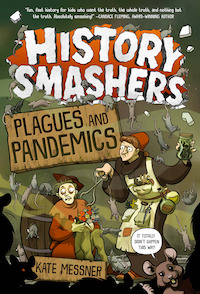
If you’re new to this page, I’m Kate Messner, author of more than fifty books for kids, including these new releases.

I’m also a former middle school teacher and a forever reader. Each winter, I help out with LitWorld’s World Read Aloud Day by pulling together a list of author & illustrator volunteers who would like to spend part of the day doing quick virtual read-aloud visits with classrooms around the world to share the joy of stories.

Before we get to the list, I want to share one other fun WRAD surprise. This is a busy time for many authors, and while we wish we could visit every one of your classrooms live, that’s just not possible. So this year, I’ve recorded a special World Read Aloud Day video for you, from FERGUS AND ZEKE AND THE 100TH DAY OF SCHOOL! This is the fourth book in our easy reader series about two mice who are classroom pets and the best of friends. (It’s just been released, and you can order copies now!)

Okay…on to this year’s read-aloud volunteer list!

WORLD READ ALOUD DAY IS FEBRUARY 2, 2022!

The authors & illustrators listed have volunteered their time to read aloud to classrooms and libraries all over the world. These aren’t long, fancy presentations; a typical one might go like this:

  • 1-2 minutes: Author introduces himself or herself and talks a little about his or her books.
  • 3-5 minutes: Author reads aloud a short picture book, or a short excerpt from a chapter book/novel
  • 5-10  minutes: Author answers a few questions from students about reading/writing
  • 1-2 minutes: Author book-talks a couple books he or she loves (but didn’t write!) as recommendations for the kids

If you’re a teacher or librarian and you’d like to have an author Zoom with your classroom or library on World Read Aloud Day, here’s how to do it:

  • Check out this list of volunteering authors and illustrators, and visit their websites to see which ones might be a good fit for your students.
  • Contact the author directly by using the email provided or clicking on the link to his or her website and finding the contact form. Please be sure to provide the following information in your request:
    • Your name and what grade(s) you work with
    • Your city and time zone (this is important for scheduling!)
    • Possible times to connect on February 2nd. Please note authors’ availability and time zones. Adjust accordingly if yours is different!
    • Your preferred platform (Zoom, Skype, Google Meet, etc.)
    • A phone number where you can be reached on that day in case of technical issues
  • Please understand that authors are people, too, and have schedules and personal lives, just like you, so not all authors will be available at all times. It may take a few tries before you find someone whose books and schedule fit with yours!

If you’re a traditionally published author or illustrator who would like to be added to the list, you can fill out this form to sign up.  Once your schedule is full, please send an email via my website contact form, and I’ll remove your name from the list. Please note that due to deadlines and other obligations, it may take up to a week for me to update.

Books for All Kids (Not Just Yours): An Open Letter for Educators & Librarians to Share with Families

Lately, school and classroom libraries have seen a marked increase in book challenges. These are attempts by parents – sometimes by other adults who have nothing to do with the schools – to remove books they don’t like from circulation so they’re no longer available to readers. ALL readers. Not just their own.

As educators, librarians, and people who care about both books and kids, it is essential that we speak up about this and push back. Our libraries and classroom libraries have a responsibility to serve all of the young readers in our care. Not just kids from one cultural background or religion. Not just kids whose lives have looked the way we want kids’ lives to look. Not just the kids whose parents show up at school board meetings.

All of them.

When we remove books – or fail to order them in the first place, for fear of someone objecting – we’re doing a huge disservice to the readers in our care. We’re making sure that the young reader who’s never seen someone who looks like them on the cover of a novel never will. We’re making sure the reader who lives with an addict or misses a parent who’s incarcerated continues to feel invisible and alone. We’re removing the lifeline that books can provide for kids who are struggling. We’re turning off the light and leaving our readers alone in the dark.

Before I was an author, I was a National Board Certified middle school ELA teacher. I kept a huge variety of MG and YA titles in my 7th grade classroom library, gave regular book talks, and made it my personal mission to find just the right book for every one of my kids, wherever they were in their reading lives. I’d talk with parents and caregivers about this – and about the diversity of my classroom library.

Instead of responding to book challenges with anxiety and fear, it can be helpful to open a dialogue with families before these issues ever come up. It makes sense to talk with parents and caregivers about our libraries and classroom libraries, let them know that we support their right to guide their own children’s reading choices, and explicitly teach them what steps to take if their reader brings home a book that doesn’t work for them.

Here’s a version of the letter I sent home. Teachers & librarians, please free to borrow language if any of it is helpful to you in your own advocacy and outreach to families. Thanks for fighting the good fight and for the essential work you do for kids every day.

Dear Families,

Our school librarian does a phenomenal job making sure that there are books of interest to every student in our building.  That’s a lot of students.  A lot of different students.

Our middle school serves sixth graders as young as ten years old and eighth graders as old as fifteen.  Five years is a big gap, and those are no ordinary five years.  The difference between ten and fifteen is the difference between Legos and smart phones, the difference between trick-or-treating and Homecoming Dances. The difference between child and young adult.

And our kids are not only different ages; they arrive at school with different reading levels, different backgrounds, and different experiences that have shaped their lives in both positive and negative ways. So it makes sense that they have different needs when it comes to reading.

The book that is perfect for your wide-eyed sixth grader isn’t likely to be a good fit for a fifteen-year-old who’s repeating eighth grade.  The book that eighth grader will read and love is probably not one that would be right for your sixth grader right now.  But as teachers and librarians, we have a responsibility to serve all of the kids who come to us. We have a responsibility to offer a wide range of book choices that speak to all of them and meet all of their diverse needs.

Kids, in general, do a fantastic job self-selecting books. When they find they’ve picked up something they’re not ready for, they’re usually quick to put it down and ask for help choosing something else. As teachers and librarians, we’ll offer recommendations and steer kids toward books that are age-appropriate, and we encourage you to talk about books with your kids. We have multiple copies of many titles in our library.  Let us know if you’d like to check out two copies of a book so you can read together.  And if you find that your student has chosen a book that you think might not be the right book for him or her right now, talk about that, too. 

We respect your right to help your own child choose reading material, and we ask that you respect the rights of other parents to do the same.  If you object to your child reading a particular book, send it back to the library, and we’ll help your student find another selection.  We’ll put the first book back on the shelf because even though you don’t feel it’s the right book for your child right now, it may be the perfect book for someone else’s.

Our library will continue to have a wide range of choices for kids – to meet all of their varied needs and help them all develop a love of reading.  If we can ever be of help to you in recommending titles for your family, please don’t hesitate to ask.